

The best time to visit the USA for most trips is May to early June or September to October. In those months, most of the country is warm but not scorching, kids are in school, and the big national parks are open without the July crush. But the US is huge. When it’s snowing in Chicago, it’s beach weather in Miami, so the “best” month really depends on where you’re going and what you want to do.
This guide gives you the simple answer first, then breaks it down by region, by month and by budget. You’ll also get the 2027 holiday dates that push prices up, the hurricane and heat windows to avoid, and a few surprises, like why fall isn’t always cheaper than summer in big cities anymore.
🇺🇸 Quick Answer: When Should You Visit the USA?
- Best overall: May–June and September–October for mild weather and lighter crowds.
- National parks: late May–June and September. Avoid July–August if you hate crowds.
- Cheapest: January to early March (outside holidays and ski towns), plus early December.
- Beaches: June–August up north; November–April in Florida, southern California and Hawaii.
- Avoid: Christmas–New Year’s and Thanksgiving week for prices, and the Gulf and Florida coast in late August–October if hurricanes worry you.
In this guide
USA Travel Seasons at a Glance
Spring and fall are the sweet spots, summer is the busiest and priciest, and winter is cheapest everywhere except ski resorts and the warm south. Here’s how the four seasons compare.
| Season | Weather | Crowds | Prices | Best for |
|---|---|---|---|---|
| 🌸 Spring (Mar–May) | Mild; chilly up north in March | Medium (spring break spikes) | Medium | Cities, deserts, cherry blossoms, the South |
| ☀️ Summer (Jun–Aug) | Hot, humid in the East and South | High | High | Alaska, Pacific Northwest, northern parks, beaches |
| 🍂 Fall (Sep–Nov) | Warm to crisp; hurricane risk in the Southeast until November | Medium | Medium (big cities can be high) | Fall foliage, road trips, Southwest parks |
| ❄️ Winter (Dec–Feb) | Cold and snowy north; mild south | Low (except holidays) | Low (except holidays and ski towns) | Florida, Hawaii, Arizona, skiing, city deals |
That table is the big picture. Now let’s zoom in, because the right month for New York is the wrong month for Death Valley.
Best Time to Visit the USA by Region
Pick your region first and the month almost picks itself. Use this as your cheat sheet.
| Region | Best months | Avoid | Why |
|---|---|---|---|
| 🗽 Northeast (NYC, Boston, DC) | Apr–Jun, Sep–Oct | Jan–Feb (cold), July (sticky heat) | Blossoms in spring, foliage in fall, comfy walking weather |
| 🍁 New England | Late Sep–mid Oct | Mud season (Apr) | Peak fall color, harvest fairs |
| 🌴 Florida | Nov–Apr | Aug–Oct (heat, storms) | Warm, dry winters; hurricane peak in late summer and early fall |
| 🎷 The South (New Orleans, Savannah, Charleston) | Feb–May, Oct–Nov | Jul–Aug | Festivals and gardens without the summer steam |
| 🏜️ Southwest (Arizona, Utah, Nevada) | Mar–May, Sep–Nov | Jun–Aug (110°F+ in the low deserts) | Hiking weather in the canyons |
| 🌉 California coast | Sep–Oct | Rarely bad | San Francisco’s warmest, clearest weeks are often in fall |
| 🏔️ Rockies and Yellowstone | Late Jun–Sep | Nov–Apr for driving (many roads close) | Roads, trails and lodges fully open |
| 🌲 Pacific Northwest | Jul–Sep | Nov–Mar (gray, rainy) | Dry, sunny summers |
| 🐻 Alaska | Jun–Aug | Oct–Apr (unless you want northern lights) | Long days, open parks, cruise season |
| 🌺 Hawaii | Apr–May, Sep–Oct | Holiday weeks (prices) | Warm all year; shoulder months are quieter and cheaper |
General patterns. Always check the forecast for your exact dates.
Let’s make that real. Say you have ten days in October. You could do New York and Boston for crisp weather and the start of fall color, then drive into Vermont for peak leaves. Swap that same October for Florida and you’re traveling during hurricane season, which can still produce storms. Same month, very different trip.
Heading to the Sunshine State? Our guide to the best time to visit Florida goes month by month.
Month-by-Month Guide to Traveling in the USA
Every month has a place that shines. Here’s what each one does best, plus what to watch out for.
January: Winter Cities, Ski Slopes and Warm Escapes
January is cold and snowy across the North, and that’s exactly why it’s cheap. New York’s museums and Broadway are easier to book after New Year’s week, and snow-covered Central Park is beautiful. Skiers head to Vermont, Colorado and Utah. If you want sun instead, Florida, southern California and Arizona are mild. Our list of the best things to do in New York in winter has ideas for cold-weather days.
February: Mardi Gras and the Warm South
Mardi Gras day in New Orleans falls on February 9, 2027, with parades in the weeks before. Hotels fill up and prices jump, so book early or come the week after. Charleston and Savannah are pleasant and quiet. Craving heat? See the warmest places in the US in February.
March: Spring Break and the First Blossoms
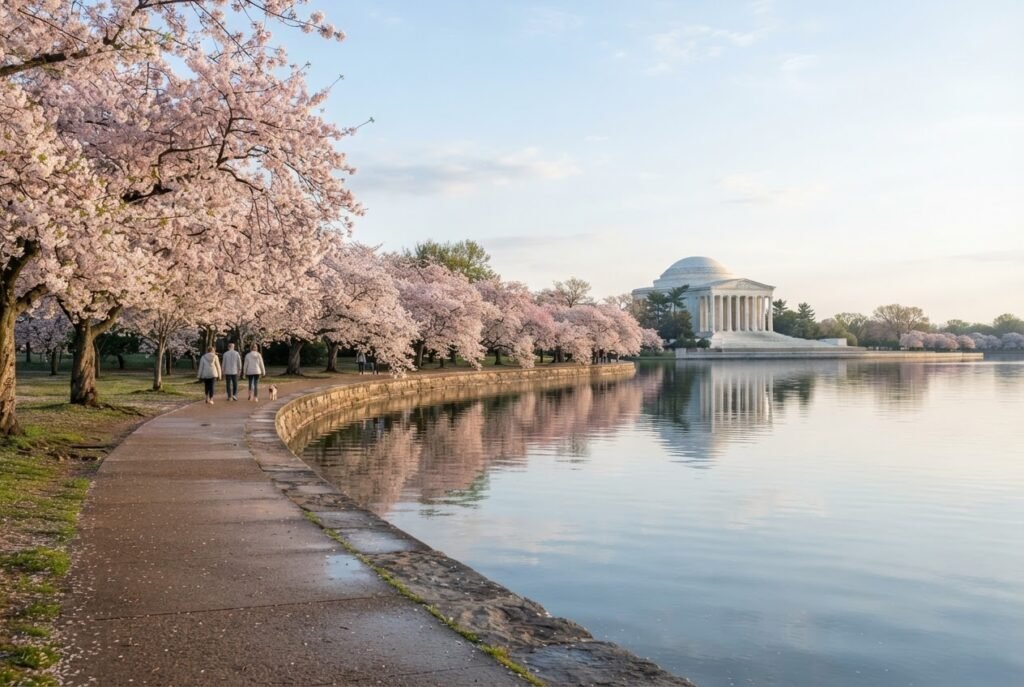
Spring arrives in the South and on the West Coast, while the North can still be cold. Washington, DC’s cherry blossoms typically peak in late March or early April, according to the National Park Service bloom watch. Watch out for college spring breaks, which crowd Florida beaches. Our picks for the best places to go in the USA in March and the best cherry blossom spots in the USA will help you choose.
April: Desert Wildflowers and Southwest Hiking
April is one of the best months for Arizona and Utah. Days are warm, nights are cool, and in a wet year the deserts bloom. It’s prime time for Sedona, Zion and the Grand Canyon’s South Rim (the North Rim usually opens mid-May). Easter week can be busy, so check dates.
May: The Sweet Spot Begins
May might be the single best month for a first USA trip. Cities are green and comfortable, parks are open, and schools are still in session. The one busy weekend is Memorial Day (May 31, 2027), the unofficial start of summer. If you can, travel the weeks before it.
June: Big Parks and Long Days
Early June is great for Yellowstone, Grand Teton and Glacier, as high roads open and wildlife is active. By late June, schools are out and crowds build quickly. Alaska’s season is in full swing, with very long daylight hours.
July: Beaches, Fireworks and Peak Crowds
July is classic beach season from Cape Cod to San Diego, and Independence Day (Sunday, July 4, 2027) brings fireworks everywhere. It’s also hot and humid in the East and South, scorching in the desert, and the most crowded month in many parks. Book rooms and park reservations early.
August: Festivals and the Last Summer Weeks
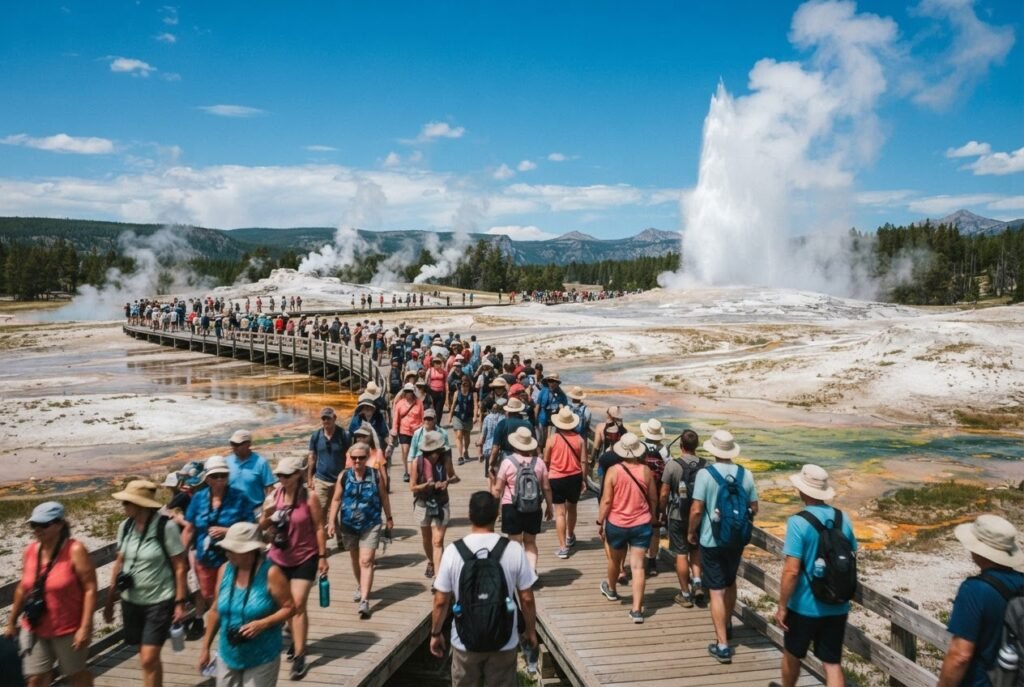
Music festivals, state fairs and outdoor concerts fill August, especially in Chicago and the Midwest. Hurricane activity starts ramping up along the Gulf and Atlantic coasts. In the West, wildfire smoke can affect air quality some years, so keep plans flexible.
September: Summer Weather, Fall Crowds
After Labor Day (September 6, 2027), families go home and the parks breathe out. September is often San Francisco’s warmest month and a lovely time for the Rockies and Southwest. The catch: it’s also the statistical peak of the Atlantic hurricane season, according to the National Hurricane Center.
October: Fall Foliage and Balloon Season
New England’s fall color usually peaks from late September to mid-October, moving south through the month. The Albuquerque International Balloon Fiesta happens in early October (not August, as we wrongly said in an older version of this guide). It’s also great hiking weather in Utah and Arizona. See our guide to the best fall foliage in the USA.

November: Quiet Parks and Thanksgiving
Early November is calm and good value almost everywhere. Thanksgiving (November 25, 2027) is one of the busiest travel weeks of the year, so avoid flying that Wednesday and Sunday. New York’s Thanksgiving Day Parade is a fun reason to be in the city, as long as you book well ahead. Southwest deserts like Death Valley become pleasant again.
December: Holiday Lights and Winter Sun
The first two weeks of December are surprisingly cheap, with holiday lights already up in New York and Chicago. From about December 20 to January 2, prices and crowds hit their yearly high. Florida, Hawaii and southern California are popular winter escapes, and Hawaii’s humpback whale season gets going.

Now that you know what each month offers, let’s talk about the question most travelers really care about: money.
The Cheapest Time to Visit the USA
The cheapest time to visit the USA is usually January through early March (outside ski towns, Florida and holiday weekends) and early December. That’s when hotels in big cities cut prices to fill rooms.
Here’s the catch many guides miss: “shoulder season” isn’t always cheaper in big cities anymore. In an August 2026 analysis, Expedia found fall lodging prices were 20% higher than summer across the top 10 US destinations, such as New York, Boston and Las Vegas, because of conferences, events and fall getaways. The same data showed big fall savings in mountain and beach towns instead.
So what does that mean for you? Picture two friends planning a week in October. One books Boston for leaf season and pays top dollar. The other books San Diego, where the beaches are still warm and summer crowds are gone, and pays less than in July. Match the place to the season and you save without giving anything up.
Best Time to Visit US National Parks
For most western parks, late May to June and September are best: roads are open, weather is good, and crowds are lighter than in July and August. Desert parks like Joshua Tree and Death Valley are better from October to April.
International visitors should budget for a big change. Since January 1, 2026, nonresidents aged 16 and over pay an extra $100 per person at 11 of the busiest parks, including Grand Canyon, Yellowstone, Yosemite, Zion and Glacier. The yearly America the Beautiful pass costs $80 for US residents and $250 for nonresidents, and the pass covers that surcharge. Check the official NPS entrance fee page for 2027 prices before you go.
Quick math: a family of four adults from abroad visiting Zion, Bryce Canyon and the Grand Canyon would face $1,200 in surcharges alone ($100 × 4 people × 3 parks), on top of entry fees. Four nonresident passes cost $1,000 and cover all three parks. If two of you share a car, check how the pass applies to vehicle occupants, because that can cut the cost even more.
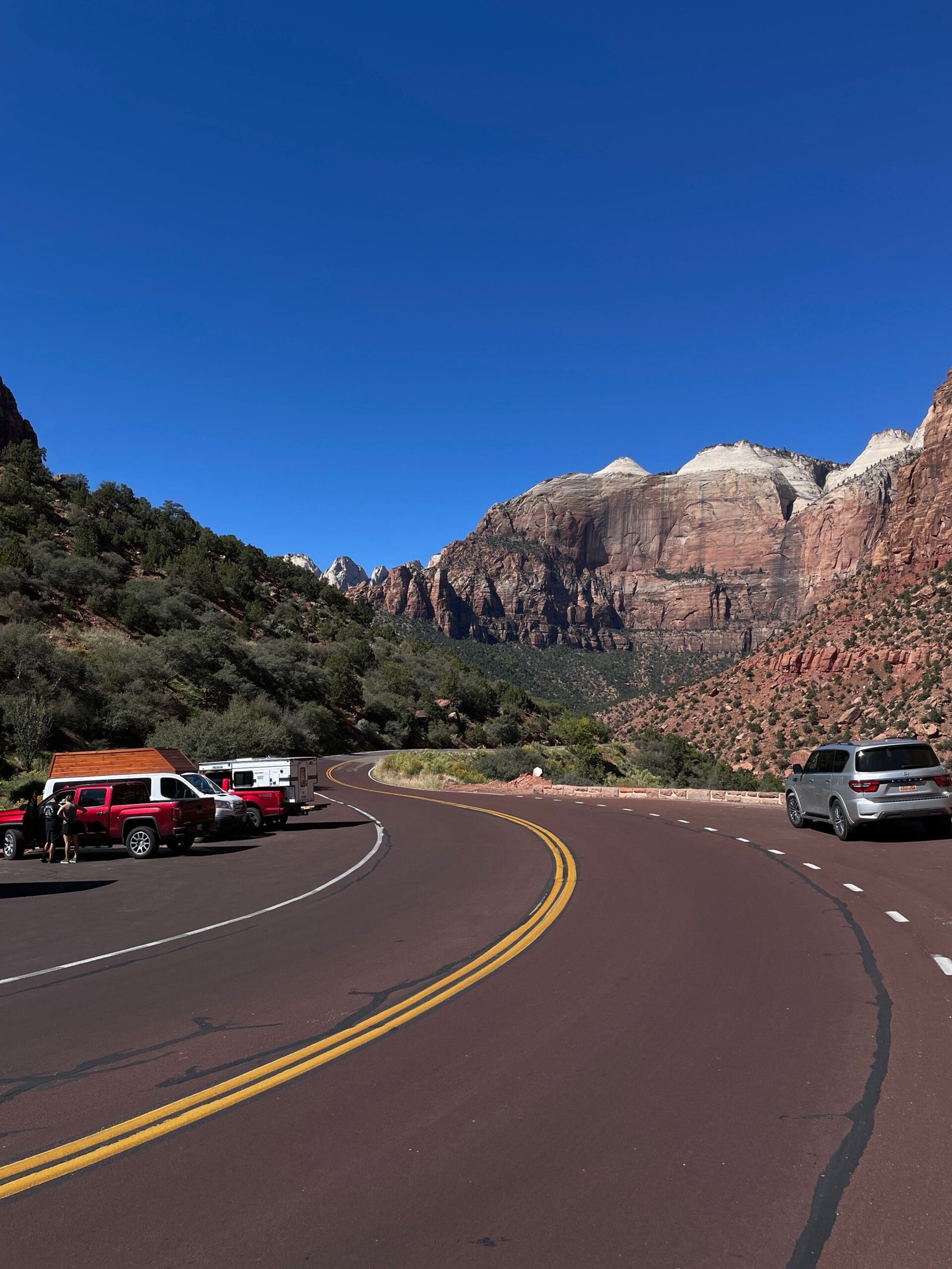
Planning to drive between parks? Our breakdown of the average cost of a road trip across America helps you budget fuel, rooms and food.
2027 US Holiday Dates to Plan Around
Holiday weekends are when Americans travel, so prices rise and rooms vanish. Use these dates to either join the fun or dodge it.
| Holiday or event | 2027 date | Effect |
|---|---|---|
| 🎭 Mardi Gras (New Orleans) | Tue, Feb 9 | New Orleans hotels sell out |
| 🏖️ Spring break | Most of March | Florida and beach towns busy |
| 🇺🇸 Memorial Day | Mon, May 31 | Summer season starts; busy weekend |
| 🎆 Independence Day | Sun, Jul 4 (observed Mon, Jul 5) | Long weekend, fireworks, high prices |
| 🍂 Labor Day | Mon, Sep 6 | Last summer weekend; quieter after |
| 🦃 Thanksgiving | Thu, Nov 25 | One of the busiest travel weeks |
| 🎄 Christmas–New Year’s | About Dec 20–Jan 2 | Highest prices of the year |
Federal holiday dates calculated from the official rules (e.g. last Monday in May). Spring break dates vary by school.
How to Pick the Best Dates for Your USA Trip in 5 Steps
- Choose your region first. Use the region table above to find its best months.
- Cross out holiday weeks unless you want to be there for the event.
- Check the risks: hurricane season for Florida and the Gulf, extreme heat for the desert, snow-closed roads for the mountains.
- Compare two date ranges for flights and hotels, one in shoulder season and one in your first choice. The gap is often bigger than you’d guess.
- Lock in the hard-to-get parts early: park lodges, timed-entry or vehicle reservations where parks require them, and popular tours.
Mistakes to Avoid When Timing a USA Trip
⚠️ Common timing mistakes
- Treating the USA as one climate. Packing for “America in March” doesn’t work when you visit Miami and Chicago on the same trip.
- Planning Yellowstone or Glacier in May without checking roads. High roads may still be closed by snow.
- Booking Death Valley or Phoenix in July. Summer heat in the low desert can be dangerous.
- Ignoring hurricane season. Late August to October is the riskiest stretch for Florida and the Gulf Coast. Buy refundable rates or travel insurance.
- Assuming fall is cheap everywhere. Big-city hotels can cost more in fall than in summer.
- Forgetting the new park fees. Nonresidents can pay $100 extra per person at top parks.
- Flying on Thanksgiving Wednesday or the Sunday after. Expect full flights and high fares.
Frequently Asked Questions
What is the best month to visit the USA?
May and September are the best all-round months. Most regions are warm but not too hot, national parks are open, and crowds are smaller than in summer. October is a close third, especially for New England’s fall color.
What is the cheapest month to travel to the USA?
January and February are usually the cheapest, outside of ski resorts, Florida and holiday weekends. Early December is also good value before the Christmas rush.
When is peak tourist season in the USA?
Peak season runs from mid-June to late August, when schools are out, plus the Thanksgiving and Christmas–New Year’s holiday weeks.
When is hurricane season in the USA?
The Atlantic hurricane season runs from June 1 to November 30, with the highest activity from about mid-August to mid-October. Florida, the Gulf Coast and the Carolinas are most affected.
What is the best time to visit US national parks?
Late May to June and September are best for most western parks. Desert parks such as Joshua Tree and Death Valley are best from October to April.
Is it a good idea to visit the USA in winter?
Yes, if you pick the right places. Winter is great for city deals, skiing, and warm escapes to Florida, Hawaii, Arizona and southern California. Just avoid the Christmas–New Year’s week if you’re on a budget.
The Bottom Line
If you want one answer, go in May or September. You’ll get comfortable weather in most of the country, open parks and fewer crowds. If you’re chasing a specific experience, follow the region: fall color in October, Florida and Hawaii in winter, Alaska and the Rockies in summer, the Southwest in spring or fall.
Whatever you pick, check the holiday dates, think about storms and heat, and compare two date ranges before you book. Do that, and you’ll get the USA at its best without paying peak-season prices. Once your dates are set, our guide to daily travel costs in the USA by city will help you build the budget.
Keep learning: more USA trip guides from Touring Diary Adventure
Sources: U.S. National Park Service (entrance fees and passes; cherry blossom bloom watch); NOAA National Hurricane Center (hurricane season climatology); Expedia fall vs. summer travel price analysis via Hospitality Net (Aug 2026); U.S. federal holiday rules for 2027 dates. Checked November 2026.
Which month are you thinking about? Tell us in the comments where you’re headed, and we’ll share the best week to go.



Pingback: A Traveler’s Guide to Cherry Blossoms – touringdiaryadventure.com
Pingback: 10 Best Essential Requirements for Travelling with a Dog in USA - touringdiaryadventure.com
Pingback: How to Travel the USA on a Cheap Budget: The Ultimate Guide - touringdiaryadventure.com
Pingback: Best 3 Medical Insurance for Visitors to USA from India - touringdiaryadventure.com
Pingback: Which USA Cities are the Best to Visit in March?
Pingback: Traveling from Bangladesh to the USA on a B1/B2 Visa
Pingback: How to Travel in USA with Prescription Drug?
Pingback: Top 10 Reasons Why You Should Travel to USA
Pingback: Can You Travel to the USA with an Expired Passport?
Pingback: Best Place in the USA for Live Music?