
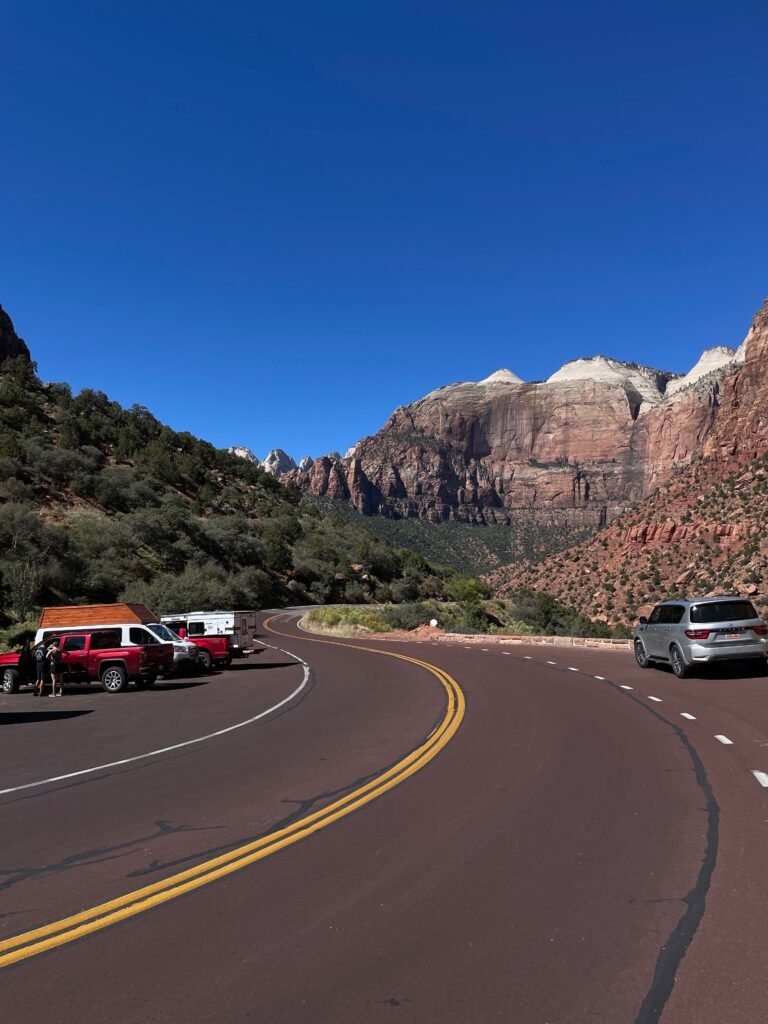
What a cross-country road trip really costs in 2026 — gas, hotels, food, and park fees broken down by budget, mid-range, and comfort tiers
The Average Cost of a Road Trip Across America: A Complete 2026 Budget Breakdown
A cross-country road trip is one of the few genuinely great travel experiences left where the cost is almost entirely within your control. Two people can drive from the Atlantic to the Pacific for under $2,000 or spend over $10,000 covering the same miles, and the difference has very little to do with the driving and almost everything to do with four decisions: where you sleep, where you eat, what you drive, and when you go.
This guide breaks down what a road trip across America actually costs in 2026, using current data on gas prices, hotel rates, food costs, and park fees. It covers three realistic budget tiers, a line-item breakdown of every expense category, the costs most people forget to budget for, and specific strategies that reduce total trip cost without meaningfully reducing the experience.
The Short Answer
For 2026, road trip costs land in a fairly consistent range across multiple sources:
| Travel Style | Per Person Per Day | 2 People, 14 Days | What This Looks Like |
| Budget | $80–$120 | $2,240–$3,360 | Motels or camping, groceries and fast food, minimal paid attractions |
| Mid-range | $150–$250 | $4,200–$7,000 | 3-star hotels, mix of casual restaurants and self-catering, regular attractions |
| Comfort | $250–$400+ | $7,000–$11,200+ | Well-rated hotels, restaurant dining, guided tours and premium experiences |
One published seven-day breakdown puts per-person costs (with two travelers sharing) at $585 budget, $1,065 mid-range, and $1,770 comfort — covering car rental, fuel, accommodation, food, national parks, and incidentals. Another 4,800-mile mid-range scenario totals $4,500 to $6,500 for two to three travelers, working out to $320 to $460 per day for the group.
| The two variables that decide everything Across every data source, the same two categories account for the majority of cost variation: accommodation (camping versus hotels) and food (cooler versus restaurants). Fuel is largely fixed by your route and vehicle. If you want to cut your budget substantially, those first two are where the leverage is. |
Fuel: The One Cost You Can Calculate Exactly
Unlike food and lodging, fuel cost is genuinely predictable. The formula is straightforward: total miles divided by your vehicle’s miles per gallon, multiplied by the average price per gallon along your route.
Typical Cross-Country Distances
| Route | Approximate Miles | Fuel Cost @ 25 MPG | Fuel Cost @ 35 MPG |
| New York to Los Angeles (direct, I-80/I-15) | 2,800 | $392 | $280 |
| Route 66 (Chicago to Santa Monica) | 2,450 | $343 | $245 |
| Pacific Coast Highway (Seattle to San Diego) | 1,650 | $231 | $165 |
| Full loop cross-country and back | 5,500–6,000 | $770–$840 | $550–$600 |
| Typical 2-week meandering route | 3,000–3,500 | $420–$490 | $300–$350 |
Calculations above use a $3.50 per gallon national average. Regional variation is substantial — gas prices can differ by more than $1.00 per gallon between states.
Where Gas Is Cheapest and Most Expensive
Gulf Coast states consistently offer the lowest prices: Texas, Mississippi, Louisiana, and Oklahoma, along with neighboring Missouri and Arkansas. California, Hawaii, Washington, and Nevada tend to run highest. On a cross-country route with any flexibility, favoring a southern path over a northern one can save $50 to $200 in fuel alone.
Speed matters more than most drivers realize
Most vehicles reach peak fuel efficiency between 55 and 65 mph. Above 65, aerodynamic drag increases exponentially — driving at 75 mph consumes roughly 10 to 15 percent more fuel than driving at 65. Over a 1,000-mile stretch, that difference amounts to $15 to $25. Across a full cross-country trip, it is $50 to $80 for arriving perhaps two hours earlier.
Avoid highway-adjacent gas stations
Stations directly at interstate exits typically charge 10 to 25 percent more than stations a mile or two into the nearest town. On a trip requiring 15 to 20 fill-ups, consistently driving two extra minutes off the highway saves a meaningful amount.
Accommodation: The Biggest Single Variable
Lodging is where road trip budgets diverge most dramatically. AAA’s annual travel pricing data puts the average US hotel room at approximately $171 per night — but that average conceals enormous variation, and road trippers rarely need to pay it.
| Lodging Type | Per Night | 14 Nights | Trade-offs |
| Tent camping (state/national parks) | $15–$35 | $210–$490 | Requires gear; weather-dependent; often the best locations |
| Budget motels | $50–$90 | $700–$1,260 | Reliable, private, usually free parking |
| Mid-range hotels | $100–$150 | $1,400–$2,100 | Breakfast often included; better locations |
| Premium hotels | $171–$250+ | $2,394–$3,500+ | Comfort; often city-center with paid parking |
| Mix (camp + motel alternating) | $35–$60 avg | $490–$840 | Best cost-to-comfort ratio for most travelers |
Published rate comparisons illustrate the gap starkly: a week at a premium hotel runs roughly $1,550, while a week at a value-tier property comes in at $350 to $595. That difference alone covers most of the fuel for a 3,000-mile cross-country drive.
The Parking Cost Almost Nobody Budgets
City parking averages $27 to $45 per night in destinations like Nashville and Denver. Over a week of city stays, that adds $189 to $315 to your trip before you have spent anything on food or activities. Value-tier and roadside properties typically include free parking, which is worth factoring into rate comparisons — a $90 motel with free parking often beats a $110 hotel charging $35 for parking.
Booking Strategy
Midweek nights are consistently cheaper than weekend nights across most of the country. Booking two to three nights ahead rather than the same day generally produces better rates without sacrificing flexibility, and last-minute apps can occasionally beat that for same-day bookings in markets with excess inventory.
Food: Where Small Daily Decisions Compound
Food is the most variable per-day category and the easiest to reduce without affecting trip quality.
| Approach | Per Person Per Day | 14 Days (2 people) | Description |
| Cooler-based | $30–$50 | $840–$1,400 | Groceries, sandwiches, occasional fast food |
| Mixed | $50–$80 | $1,400–$2,240 | Self-prepared breakfast, lunch and dinner out |
| Full restaurant dining | $80–$150+ | $2,240–$4,200+ | All meals at restaurants |
The cooler is the single highest-return purchase for a road trip budget. Packing a cooler with drinks, fruit, and sandwich supplies saves roughly $20 to $40 per day for a family. A reusable water bottle and modest snack supply alone eliminates $5 to $10 a day in convenience store stops — $70 to $140 over two weeks, for what amounts to fifteen minutes of grocery shopping.
The gas station snack tax
Convenience store pricing on drinks, snacks, and coffee runs substantially above grocery pricing. For a two-person trip stopping three times a day, that markup alone accounts for several hundred dollars over a long trip.
Attractions, Parks, and Activities
This category is discretionary but is often where the memorable parts of the trip come from.
National Parks: The Annual Pass Math
Individual national park entrance fees run $15 to $35 per vehicle. The America the Beautiful Annual Pass costs $80 and covers entry to all national parks and federal recreation lands for a year.
| The break-even point The $80 annual pass pays for itself at three park visits (at $35 each) — or fewer if you are visiting the higher-fee parks. Any cross-country route touching the American West will almost certainly cross that threshold. Buy the pass before you leave. |
Budgeting for Activities
For a two-week trip with moderate activity spending, budget $300 to $600 per person for attractions, tours, and entertainment. A mid-range 4,800-mile scenario allocates roughly $700 for activities across the whole trip; a premium version allocates $900.
The Costs Most People Forget
These categories rarely appear in road trip budget articles and reliably surprise first-time cross-country drivers.
| Overlooked Cost | Typical Amount | Notes |
| Tolls | $0–$150+ | Highly route-dependent; Milwaukee to Seattle can be toll-free, while NYC-area tunnels cost $10+ each |
| City parking | $27–$45/night | Only in city stays; adds up fast over a week |
| Pre-trip vehicle service | $100–$300 | Oil change, tire check, fluids — cheaper than a roadside breakdown |
| Laundry | $3–$5 per load | Cheaper than packing ten days of clothes and driving a cramped car |
| Travel insurance | $50–$150 | A roadside accident or injury can cost $5,000–$50,000 uninsured |
| Cash for rural areas | $100–$200 | Some rural diners, campgrounds, and stations have unreliable card terminals |
| Car rental (if not driving your own) | $40–$120/day | Plus taxes and fees at 20–35% of base, and insurance at $15–$30/day |
| Contingency buffer | 10–15% of total | Flat tire, weather detour, unplanned night |
The contingency buffer is the one most worth taking seriously. Nearly every published road trip budget guide recommends adding 10 to 15 percent to your total for unexpected expenses, and the recommendation exists because something almost always comes up on a multi-week drive.
Three Complete Sample Budgets
Budget Trip: 14 Days, 2 People, 3,000 Miles
| Category | Cost | Notes |
| Fuel | $420 | 25 MPG, $3.50/gal, southern route |
| Lodging | $700 | Mix of camping and budget motels |
| Food | $980 | Cooler-based, occasional fast food |
| Parks & activities | $180 | Annual pass + a few paid sites |
| Tolls & parking | $80 | Toll-light route, minimal city stays |
| Contingency (12%) | $283 | Buffer |
| TOTAL | $2,643 | ≈ $94 per person per day |
Mid-Range Trip: 14 Days, 2 People, 3,500 Miles
| Category | Cost | Notes |
| Fuel | $490 | 25 MPG, mixed route |
| Lodging | $1,750 | 3-star hotels at ~$125/night |
| Food | $1,960 | Mixed: self-catered breakfast, meals out |
| Parks & activities | $700 | Annual pass, tours, museums |
| Tolls & parking | $280 | Several city nights |
| Contingency (12%) | $622 | Buffer |
| TOTAL | $5,802 | ≈ $207 per person per day |
Comfort Trip: 14 Days, 2 People, 3,500 Miles
| Category | Cost | Notes |
| Fuel | $490 | Same route |
| Lodging | $2,940 | Well-rated hotels at ~$210/night |
| Food | $3,080 | Restaurant dining throughout |
| Parks & activities | $1,200 | Guided tours, premium experiences |
| Tolls & parking | $420 | City-center hotels with paid parking |
| Contingency (12%) | $964 | Buffer |
| TOTAL | $9,094 | ≈ $325 per person per day |
How Your Vehicle Choice Changes the Math
Vehicle fuel economy has a larger effect on total trip cost than most people account for, and the effect compounds across thousands of miles.
| Vehicle Type | Typical MPG | Fuel Cost (3,000 mi @ $3.50) | Difference vs. 35 MPG |
| Compact sedan / hybrid | 35–50 | $210–$300 | Baseline |
| Midsize sedan | 28–33 | $318–$375 | +$75–$115 |
| Crossover SUV | 24–28 | $375–$438 | +$135–$178 |
| Full-size SUV | 16–20 | $525–$656 | +$285–$396 |
| Truck / large van | 14–18 | $583–$750 | +$343–$490 |
On a single cross-country trip, the difference between a compact hybrid and a full-size SUV is roughly $300 to $400 in fuel. That is not decisive on its own, but it becomes significant on longer trips or when combined with the fact that larger vehicles also cost more to rent.
The Loaded-Vehicle Penalty
Fuel economy figures assume an unloaded vehicle. A fully packed car with a roof cargo box can lose 10 to 25 percent of its rated efficiency, with roof-mounted cargo being the largest single contributor because of aerodynamic drag. Packing inside the vehicle rather than on top preserves meaningfully more fuel economy at highway speeds.
Pre-Trip Maintenance Pays for Itself
A $100 to $300 pre-trip service — oil change, tire pressure and tread check, fluid top-off, battery test — is inexpensive insurance against a breakdown that could cost several hundred dollars in towing plus an unplanned hotel night in an unfamiliar town. Underinflated tires alone reduce fuel economy measurably, so a tire check often partially pays for itself over a long trip.
Popular Routes and What Each Costs
Route choice affects cost through three channels: total mileage, gas prices along the corridor, and the cost of the regions you pass through.
| Route | Miles | Est. Fuel (28 MPG) | Cost Character |
| Route 66 (Chicago → Santa Monica) | 2,450 | $306 | Moderate; cheap gas through the middle states, expensive at the California end |
| Pacific Coast Highway (Seattle → San Diego) | 1,650 | $206 | High lodging and food costs throughout; expensive West Coast fuel |
| Southern route (Atlanta → San Diego, I-10) | 2,150 | $269 | Cheapest overall; Gulf Coast fuel prices and low lodging costs |
| Northern route (Boston → Seattle, I-90) | 3,050 | $381 | Moderate lodging; weather-limited outside summer |
| National Parks loop (Denver → Utah/Arizona → Denver) | 2,200 | $275 | Modest lodging if camping; annual pass essential |
The southern route is consistently the cheapest cross-country option, combining the lowest gas prices in the country with generally lower lodging and dining costs than either coast. The Pacific Coast Highway is the most expensive per mile despite being the shortest, because California lodging and dining costs run well above national averages.
When to Go: Timing Affects Cost Substantially
The best value window for an American road trip is September through October. Car rental rates drop 20 to 40 percent from summer peak, motel rates hit their annual lows, national parks are dramatically less crowded, and gas prices typically dip after the summer driving season. Weather remains mild across most of the country, and the East Coast gets fall color as a bonus.
| Season | Cost Level | Trade-offs |
| June–August | Highest | Peak rates everywhere; crowded parks; best weather for northern routes |
| September–October | Lowest good-weather window | Mild weather, low rates, low crowds — the sweet spot |
| November–March | Low rates | Weather risk in northern and mountain routes; some park roads closed |
| April–May | Moderate | Rates rising; unpredictable spring weather; fewer crowds than summer |
Ten Strategies That Actually Reduce Cost
Ranked roughly by savings per unit of effort:
1. Buy the America the Beautiful pass ($80)
Pays for itself at three park visits. Nearly guaranteed to save money on any western route.
2. Pack a cooler
Saves $20 to $40 per day for a family. Highest-return single decision in this list.
3. Alternate camping and motels
Brings average nightly lodging to $35 to $60 rather than $100 to $150, without committing to two straight weeks in a tent.
4. Route through low-gas-price states
Favoring Gulf Coast and south-central states over coastal routes saves $50 to $200 on fuel.
5. Use a gas rewards credit card
A card returning 3 to 5 percent on fuel gives back real money across 15 to 20 fill-ups.
6. Book midweek and prioritize free parking
Midweek rates are consistently lower, and free-parking properties save $27 to $45 per city night.
7. Drive 65 rather than 75
Saves 10 to 15 percent on fuel. On a 3,000-mile trip that is $40 to $65.
8. Fill up off the highway
Interstate-exit stations charge 10 to 25 percent more than stations a mile into town.
9. Travel in September or October
Lower rates across lodging, rentals, and fuel simultaneously, with better park access.
10. Do laundry mid-trip
A $3 to $5 laundromat load lets you pack less, which makes the car more comfortable and — if you are flying to a rental — avoids checked bag fees.
Conclusion
A cross-country American road trip costs roughly $80 to $120 per person per day on a budget, $150 to $250 mid-range, and $250 to $400 or more for comfort travel. For two people over two weeks, that spans roughly $2,600 to over $9,000 — a range wide enough that the phrase “average cost” is almost misleading.
The useful insight from the data is that the variation concentrates in two categories. Fuel is nearly fixed by your route and vehicle; park fees are modest and capped by the annual pass; activities are discretionary. Lodging and food account for the overwhelming majority of the difference between a $2,600 trip and a $9,000 trip covering the same road.
Which means the budget decision is genuinely simple: decide how you want to sleep and how you want to eat, and the rest of the number follows. Everything else is rounding.
For more travel budgets, destination guides, and practical trip planning advice, visit Touring Diary Adventure. You may also find our guides on daily travel costs in US cities and tipping etiquette in the USA useful for planning this trip. [Internal link: link to your existing US travel cost and tipping articles]
Frequently Asked Questions
How much does a cross-country road trip cost for two people?
For a two-week trip covering roughly 3,000 to 3,500 miles: approximately $2,600 on a budget (camping and cooler meals), $5,800 mid-range (3-star hotels and mixed dining), and $9,000 or more for comfort travel (well-rated hotels and restaurant meals). Fuel accounts for only $420 to $490 of any of those totals.
What is the biggest expense on a road trip?
Lodging and food together, not fuel. Fuel for a 3,000-mile cross-country drive runs roughly $300 to $500 depending on vehicle efficiency — often less than four nights in a mid-range hotel. Accommodation and dining choices account for the majority of the difference between budget and premium trips.
How much should I budget per day for a road trip?
Budget travelers using motels and grocery food average $80 to $120 per person per day. Mid-range travelers with 3-star hotels and casual restaurants average $150 to $250 per person per day. Comfort travel runs $250 to $400 or more.
Is the America the Beautiful pass worth it?
For almost any trip visiting three or more national parks, yes. Individual park entry runs $15 to $35 per vehicle, and the annual pass costs $80 and covers all national parks and federal recreation lands for a full year. Any western route crosses the break-even point easily.
What is the cheapest time of year for a road trip?
September and October offer the best combination of low cost and good conditions. Car rentals drop 20 to 40 percent from summer peak, motel rates reach annual lows, gas prices typically dip after the summer driving season, and parks are far less crowded while weather remains mild.
How much extra should I budget for unexpected costs?
Ten to fifteen percent of your total trip budget. A flat tire, a weather detour requiring an unplanned hotel night, or a minor repair are common enough on multi-week drives that experienced road trippers treat the buffer as a standard line item rather than an optional one.
Should I drive my own car or rent one?
Driving your own car is almost always cheaper if it is reliable and reasonably fuel-efficient. Rentals run $40 to $120 per day before taxes and fees (which add 20 to 35 percent of base) and insurance ($15 to $30 per day). Over two weeks that is $800 to $2,500 before any fuel. Renting makes sense mainly if you are flying to your starting point or your own vehicle has poor fuel economy or reliability concerns.