Blog

Each adventure is unique, and adequate preparation often means the difference between deeply enriching experiences and distressing mishaps.

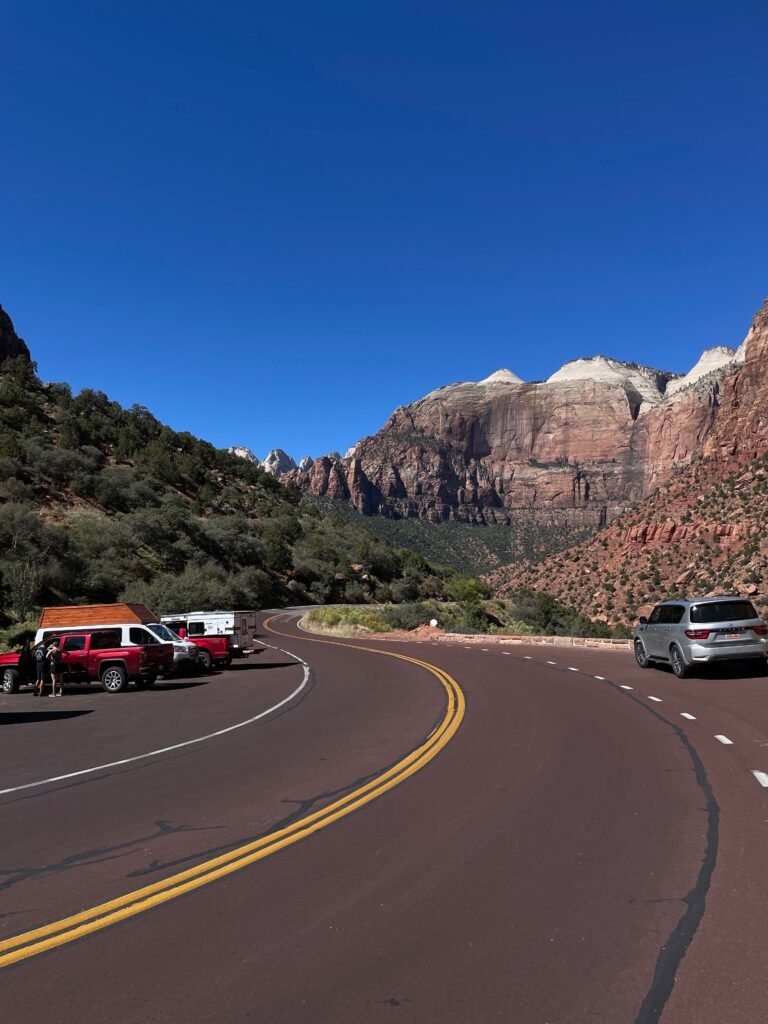
Curved road with parked cars and Zion Canyon mountains in background.

Average Cost of a Road Trip Across America (2026)

What a cross-country road trip really costs in 2026 — gas, hotels, food, and park fees broken down by budget, mid-range, and comfort tiers The Average Cost of a Road Trip Across America: A Complete 2026 Budget Breakdown A cross-country road trip is one of the few genuinely great travel experiences left where the cost is almost entirely within your control. Two people can drive from the Atlantic to the Pacific for under $2,000 or spend over $10,000 covering the same miles, and the difference has very little to do with the driving and almost everything to do with four decisions: where you sleep, where you eat, what you drive, and when you go. This guide breaks down what a road trip across America actually costs in 2026, using current data on gas prices, hotel rates, food costs, and park fees. It covers three realistic budget tiers, a line-item breakdown of every expense category, the costs most people forget to budget for, and specific strategies that reduce total trip cost without meaningfully reducing the experience. The Short Answer For 2026, road trip costs land in a fairly consistent range across multiple sources: Travel Style Per Person Per Day 2 People, 14 Days What This Looks Like Budget $80–$120 $2,240–$3,360 Motels or camping, groceries and fast food, minimal paid attractions Mid-range $150–$250 $4,200–$7,000 3-star hotels, mix of casual restaurants and self-catering, regular attractions Comfort $250–$400+ $7,000–$11,200+ Well-rated hotels, restaurant dining, guided tours and premium experiences One published seven-day breakdown puts per-person costs (with two travelers sharing) at $585 budget, $1,065 mid-range, and $1,770 comfort — covering car rental, fuel, accommodation, food, national parks, and incidentals. Another 4,800-mile mid-range scenario totals $4,500 to $6,500 for two to three travelers, working out to $320 to $460 per day for the group. The two variables that decide everything Across every data source, the same two categories account for the majority of cost variation: accommodation (camping versus hotels) and food (cooler versus restaurants). Fuel is largely fixed by your route and vehicle. If you want to cut your budget substantially, those first two are where the leverage is. Fuel: The One Cost You Can Calculate Exactly Unlike food and lodging, fuel cost is genuinely predictable. The formula is straightforward: total miles divided by your vehicle’s miles per gallon, multiplied by the average price per gallon along your route. Typical Cross-Country Distances Route Approximate Miles Fuel Cost @ 25 MPG Fuel Cost @ 35 MPG New York to Los Angeles (direct, I-80/I-15) 2,800 $392 $280 Route 66 (Chicago to Santa Monica) 2,450 $343 $245 Pacific Coast Highway (Seattle to San Diego) 1,650 $231 $165 Full loop cross-country and back 5,500–6,000 $770–$840 $550–$600 Typical 2-week meandering route 3,000–3,500 $420–$490 $300–$350 Calculations above use a $3.50 per gallon national average. Regional variation is substantial — gas prices can differ by more than $1.00 per gallon between states. Where Gas Is Cheapest and Most Expensive Gulf Coast states consistently offer the lowest prices: Texas, Mississippi, Louisiana, and Oklahoma, along with neighboring Missouri and Arkansas. California, Hawaii, Washington, and Nevada tend to run highest. On a cross-country route with any flexibility, favoring a southern path over a northern one can save $50 to $200 in fuel alone. Speed matters more than most drivers realize Most vehicles reach peak fuel efficiency between 55 and 65 mph. Above 65, aerodynamic drag increases exponentially — driving at 75 mph consumes roughly 10 to 15 percent more fuel than driving at 65. Over a 1,000-mile stretch, that difference amounts to $15 to $25. Across a full cross-country trip, it is $50 to $80 for arriving perhaps two hours earlier. Avoid highway-adjacent gas stations Stations directly at interstate exits typically charge 10 to 25 percent more than stations a mile or two into the nearest town. On a trip requiring 15 to 20 fill-ups, consistently driving two extra minutes off the highway saves a meaningful amount. Accommodation: The Biggest Single Variable Lodging is where road trip budgets diverge most dramatically. AAA’s annual travel pricing data puts the average US hotel room at approximately $171 per night — but that average conceals enormous variation, and road trippers rarely need to pay it. Lodging Type Per Night 14 Nights Trade-offs Tent camping (state/national parks) $15–$35 $210–$490 Requires gear; weather-dependent; often the best locations Budget motels $50–$90 $700–$1,260 Reliable, private, usually free parking Mid-range hotels $100–$150 $1,400–$2,100 Breakfast often included; better locations Premium hotels $171–$250+ $2,394–$3,500+ Comfort; often city-center with paid parking Mix (camp + motel alternating) $35–$60 avg $490–$840 Best cost-to-comfort ratio for most travelers Published rate comparisons illustrate the gap starkly: a week at a premium hotel runs roughly $1,550, while a week at a value-tier property comes in at $350 to $595. That difference alone covers most of the fuel for a 3,000-mile cross-country drive. The Parking Cost Almost Nobody Budgets City parking averages $27 to $45 per night in destinations like Nashville and Denver. Over a week of city stays, that adds $189 to $315 to your trip before you have spent anything on food or activities. Value-tier and roadside properties typically include free parking, which is worth factoring into rate comparisons — a $90 motel with free parking often beats a $110 hotel charging $35 for parking. Booking Strategy Midweek nights are consistently cheaper than weekend nights across most of the country. Booking two to three nights ahead rather than the same day generally produces better rates without sacrificing flexibility, and last-minute apps can occasionally beat that for same-day bookings in markets with excess inventory. Food: Where Small Daily Decisions Compound Food is the most variable per-day category and the easiest to reduce without affecting trip quality. Approach Per Person Per Day 14 Days (2 people) Description Cooler-based $30–$50 $840–$1,400 Groceries, sandwiches, occasional fast food Mixed $50–$80 $1,400–$2,240 Self-prepared breakfast, lunch and dinner out Full restaurant dining $80–$150+ $2,240–$4,200+ All meals at restaurants The cooler is the single highest-return purchase for a road trip budget. Packing a cooler with drinks, fruit, and

Average Cost of a Road Trip Across America (2026) Read More »
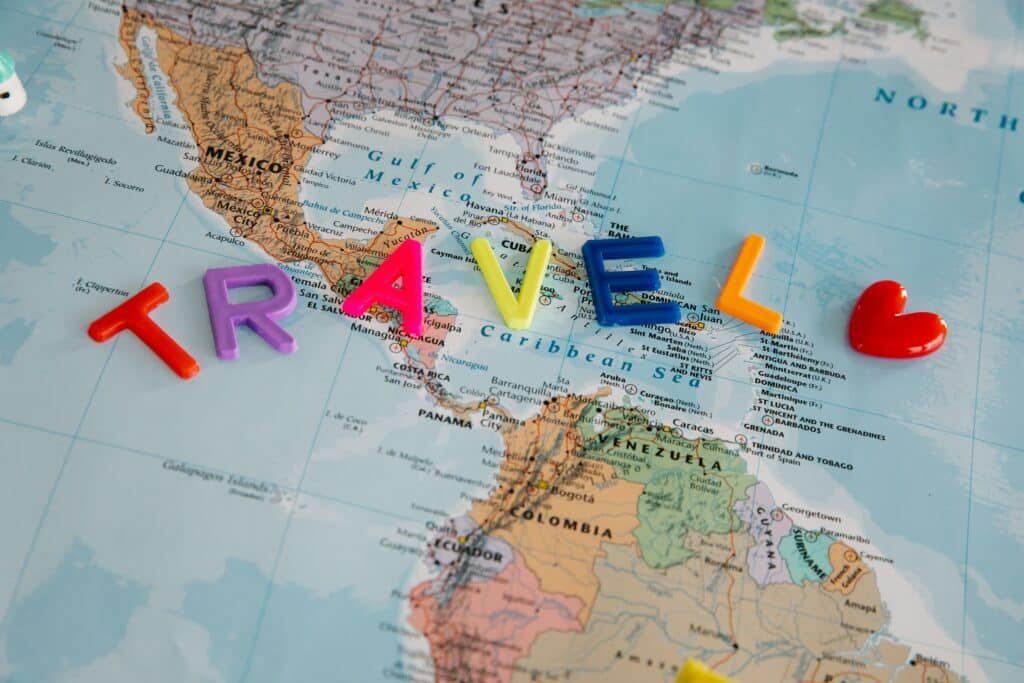
A vibrant map with colorful letters spelling 'TRAVEL', highlighting Central America and the Caribbean.

10 Cheapest Countries to Visit from USA in 2026

Discover the 10 cheapest countries to visit from USA in 2026. Budget destinations with affordable flights, food, hotels, and visa-free entry. 10 Cheapest Countries to Visit From USA in 2026: A Budget Traveler’s Guide International travel doesn’t have to drain your savings account. Some of the world’s most beautiful, culturally rich, and food-obsessed destinations are also the most affordable — especially when you factor in cheap flights from major US airports, low daily living costs once you arrive, and favorable exchange rates that stretch your American dollar far further than it goes at home. The key to budget travel isn’t finding a destination that’s simply cheap; it’s finding one where cheap doesn’t mean compromising on the experience. Every country on this list offers genuine depth — incredible food, fascinating history, stunning landscapes — at prices that make domestic US travel look expensive by comparison. Here are 10 of the cheapest countries to visit from the USA in 2026, with estimated daily budgets, flight cost ranges, visa requirements, and specific tips for getting the most out of each destination. 1. Mexico The most accessible budget destination from the US by a wide margin. Flights from southern and central US cities regularly run $150 to $300 round trip, and from border states like Texas and California, you can sometimes find deals under $120. Once on the ground, daily costs — accommodation, three meals, local transport, and one activity — can run as low as $30 to $50 per day if you stay outside the major resort zones. The mistake most first-time visitors make is going straight to Cancun or Cabo, which are the most expensive areas in Mexico and don’t reflect the country’s actual cost of living. Instead, head to Oaxaca for what many food critics call the best regional cuisine in the Americas, Merida for colonial architecture and cenotes at a fraction of Tulum’s prices, or Guanajuato for one of the most visually stunning cities in North America — all at budget-friendly rates. Estimated daily budget: $35-$60 Round-trip flights: $150-$350 Visa: Not required for US citizens (up to 180 days) 2. Colombia Colombia has quietly become one of the top budget travel destinations in South America, driven by dramatically improved safety, excellent infrastructure, and a peso-to-dollar exchange rate that makes everything remarkably affordable for American visitors. Medellin offers perfect year-round weather and a modern metro system, Cartagena has colonial beauty and Caribbean beaches, and the coffee region provides lush, rolling green landscapes unlike anything in the US. One of Colombia’s biggest budget advantages is domestic transport: flights between major cities often cost under $50 one-way, and intercity buses are clean, comfortable, and incredibly cheap. Street food in most cities runs $1 to $3 per meal, and a sit-down dinner with drinks at a good restaurant rarely exceeds $15 per person. Estimated daily budget: $30-$50 Round-trip flights: $250-$450 Visa: Not required for US citizens (up to 90 days) 3. Guatemala Central America’s most underrated destination combines ancient Mayan ruins, volcanic landscapes, and colonial charm at prices that undercut neighboring Costa Rica by 40 to 50 percent. Antigua, the former capital, sits surrounded by three volcanoes and offers cobblestone streets, language schools, and excellent coffee for almost nothing. Lake Atitlan, described by Aldous Huxley as the most beautiful lake in the world, is ringed by indigenous villages where a lakeside guesthouse costs $15 to $25 per night. Tikal, one of the largest and most impressive Mayan archaeological sites in existence, sits in the northern jungle and rivals Machu Picchu in scale — but with a fraction of the crowds and cost. Budget travelers can visit Tikal, Antigua, and Lake Atitlan in a two-week trip for well under $1,000 excluding flights. Estimated daily budget: $25-$45 Round-trip flights: $200-$400 Visa: Not required for US citizens (up to 90 days) 4. Portugal Portugal is the most affordable Western European destination and it’s not even close. Lisbon and Porto are significantly cheaper than Paris, London, Rome, or Barcelona across every category — accommodation, food, wine, transport, and attractions. A glass of excellent Portuguese wine costs $2 to $4 at most restaurants. A traditional pastel de nata (custard tart) is under $1.50. Public transit in Lisbon is efficient and inexpensive, and the country is small enough that a train from Lisbon to Porto takes under three hours and costs around $25. The Algarve coast in southern Portugal offers beaches that rival anything in Spain or Greece at lower prices, and visiting during shoulder season (October to March) drops costs even further while keeping weather mild enough for comfortable exploring. Estimated daily budget: $50-$80 Round-trip flights: $350-$550 Visa: Not required for US citizens (up to 90 days in Schengen Area) 5. Thailand A perennial budget travel champion that continues to deliver extraordinary value in 2026. Bangkok’s legendary street food costs $1 to $3 per meal — and the quality rivals restaurants charging ten times more in US cities. Guesthouses and hostels in most areas run $10 to $20 per night, while air-conditioned hotels with pools start at $25 to $40. The islands are where most travelers overspend, but choosing the right island makes a huge difference. Koh Lanta and Koh Phangan are dramatically cheaper than Phuket or Koh Samui, with equally beautiful beaches and far fewer crowds. Chiang Mai in the north is arguably the best value city in Asia for digital nomads and extended stays, with co-working spaces, excellent food, and monthly apartment rentals starting at $300. Estimated daily budget: $25-$45 Round-trip flights: $450-$700 Visa: Visa-free for US citizens (up to 30 days; extendable) 6. Vietnam Arguably the single best value-for-money destination anywhere in the world. A bowl of pho from a street vendor costs under $2 and is one of the most satisfying meals you will eat in any country at any price point. Motorbike rentals run $5 to $8 per day. Hostels average $8 to $15 per night, and even mid-range hotels with breakfast rarely exceed $30. Vietnam’s geography is incredibly diverse: Hanoi in the

10 Cheapest Countries to Visit from USA in 2026 Read More »

Daily Travel Cost in the USA by City: Essential for Tourists Planning a USA Trip

Explore average daily travel costs in top U.S. cities including food, transport, hotel, and more. Plan smarter with this breakdown. Average Daily Travel Cost in the USA (City-by-City) Understanding travel costs is essential for tourists planning a USA trip. Prices have been rising in recent years, and expenses can vary dramatically from one city to another. By researching average daily costs for each destination, travelers can budget wisely and avoid surprises. The cost of hotels, food, transportation, and attractions in New York City will differ greatly from, say, Kansas City or Memphis, so it’s important to plan by location. In this guide, we break down the average daily travel cost in the USA on a city-by-city basis, helping you anticipate expenses and plan smarter for your adventure. Prices are on the rise nationwide – from higher gasoline and airfare to increasing hotel rates – making it more important than ever to budget for each destination. A little planning goes a long way. Knowing, for example, that New York is among the most expensive U.S. cities while some smaller cities are far more affordable will help you adjust your itinerary or spending. Whether you’re a backpacker or a family on vacation, being informed about typical daily costs in each city will empower you to travel within your means. How Much Does It Cost to Travel in the USA Per Day? On average, traveling in the United States costs around $325 per day per person for a mid-range travelerbudgetyourtrip.combudgetyourtrip.com. This national average includes lodging, meals, local transportation, attractions, and miscellaneous expenses. Budget travelers (backpackers or frugal tourists) spend less – around $121 per day on average – while luxury travelers might spend $900 or more dailybudgetyourtrip.com. Of course, these numbers are just benchmarks; your actual spending will depend on your travel style and the cities you visit. To better understand where the money goes, here’s a sample daily cost breakdown for an average mid-range traveler in the USA: Expense Category Average Daily Cost (USD) Accommodation (Hotel)** ~$130 (mid-range hotel or Airbnb) Food & Drinks ~$90 (meals, snacks, drinks) Local Transportation ~$45 (public transit, taxis, rideshares) Attractions & Entertainment ~$40 (museums, tours, park fees) Miscellaneous (Souvenirs, tips, etc.) ~$20 Total Per Person Per Day ≈ $325 Estimated costs; actual prices vary by city and season. As the table suggests, accommodations and food tend to be the biggest daily expenses for most travelers. For example, mid-range hotels average about $130 per night (though this ranges from under $100 in smaller cities to well over $250 in places like New York). An average traveler might spend around $90 per day on food, which accounts for dining at restaurants for most mealsbudgetyourtrip.com. Local transportation (about $40–$50) can include subway or bus passes, rideshare fares, or maybe a rental car and gas if you’re road-trippingbudgetyourtrip.com. Attractions and entertainment costs vary widely – you might spend nothing on a free hiking trail or Smithsonian museum, or $50 on a theme park ticket or Broadway show. Miscellaneous expenses include things like souvenirs, coffee, tips, or travel supplies. All together, it adds up quickly. Keep in mind these are national averages – costs in each city can deviate significantly from the mean. Next, we’ll dive into a city-by-city breakdown to see how daily budgets differ in popular U.S. destinations. City-by-City Cost Breakdown Every city has its own price tag. Below, we break down the average daily travel cost in several top U.S. cities, highlighting typical expenses for hotels, food, transportation, and attractions in each. These estimates assume a moderate travel style (comfortable but not luxury) and are based on data from other travelers and cost-of-living resources. Use these city breakdowns to fine-tune your budget for each stop on your trip. New York City, NY New York City is often cited as the most expensive city in the United States for travelers – and for good reason. An average visitor in NYC spends about $363 per day to see the Big Applebudgetyourtrip.com. This daily budget includes lodging, meals, transit, and activities. Hotels in NYC are a major expense: a basic hotel room in Manhattan can easily cost $200–$300 per night (even higher for central locations), while hostel dorm beds start around $50lonelyplanet.com. On average, past travelers have reported spending roughly $350 per day on hotelsbudgetyourtrip.com, which likely reflects a mid-range hotel split between two people. Food is another costly item – expect to spend about $80–$100 per person per day on meals if you’re eating out for breakfast, lunch, and dinnerbudgetyourtrip.com. Upscale restaurants in NYC are pricey (a three-course dinner for two can run ~$90 according to Numbeo’s cost databasenumbeo.com), but you can save by grabbing $2 pizza slices or dining where locals do. Local transportation is relatively affordable: a subway ride costs about $2.90 one-waylonelyplanet.com, and an unlimited daily MetroCard is around $13. Using the subway and buses, or simply walking, can keep your transport costs under $10 per day. Taxis and Ubers, however, add up quickly (a few rides could easily be $40–$50 in total). Attractions in NYC can range from free (Central Park, public museums on certain days) to $30+ for famous sites (e.g. Top of the Rock observation deck, museum entries). Many travelers budget about $25–$50 per day for attractions in NYC – for example, you might pay ~$30 to visit one big attraction and enjoy free sights for the rest of the daythesavvybackpacker.com. Despite the high costs, there are ways to save in New York. Public transit and walking are your friends (not only is it cheaper, it’s often faster than a cab in traffic). Eating at least some meals from food trucks, cafes, or grocery stores will cut food costs. Also consider combo tickets or city passes – the New York CityPASS bundle, for instance, can save money if you plan to hit multiple marquee attractions. NYC’s bottom line: be prepared for a high daily spend, but wise choices (like staying in a borough outside Manhattan or visiting free attractions) can moderate the budget.

Daily Travel Cost in the USA by City: Essential for Tourists Planning a USA Trip Read More »

Tipping Rules in the USA for Tourists: Must Need to Know

Learn essential tipping rules in the USA for restaurants, taxis, hotels, and more. Avoid awkward moments while traveling. Why Tipping Matters in the U.S. Tipping isn’t just a polite gesture in the United States – it’s part of the cultural expectations when receiving many services. While not legally mandatory, leaving a tip is standard practice in restaurants, bars, and other service industriesauthentikusa.com. In fact, failing to tip for service (without a good reason) is often viewed as a serious etiquette blunder. Tourists should know that American servers, bartenders, and others might interpret no tip or a very low tip as dissatisfaction or rudeness, so understanding the norms is important. Service staff rely on tips for a large portion of their income. Unlike many countries, U.S. law allows a lower minimum wage for tipped workers (as low as $2.13 per hour in some states) because tips are expected to make up the restauthentikusa.combankrate.com. This means your waiter, bartender, or bellhop may be depending on customer tips to earn a living wage. For example, analysis by PayScale found that tips can account for over 60% of a waiter’s incomepayscale.com. In practical terms, tipping in the USA isn’t just a bonus – it’s how service workers pay their bills. This is the key reason why tipping culture in America is so much stronger than in some other countries. Even in situations where an employee does earn a full wage, a tip is a sign of appreciation for good service. It rewards extra effort and friendliness. The bottom line: tipping is ingrained in American service interactions, and being prepared to tip will help you meet local expectations (many travel forums and guides, such as a popular TripAdvisor tipping etiquette article, emphasize how expected tipping is in the U.S.tripadvisor.ca). Now, let’s break down when, where, and how much to tip in typical scenarios for travelers. Standard Tipping Rates by Service Type How much should you tip? While individual preferences vary, Americans have some standard tipping rates by service. Below is a breakdown of common tipping guidelines for different services that tourists will encounter: Restaurants and Cafés In U.S. sit-down restaurants (with table service), the standard tip is about 15–20% of the pre-tax billauthentikusa.com. If your restaurant service was excellent, you might tip towards the upper end (some diners leave ~25% for outstanding service in upscale restaurants)authentikusa.com. Anything below 15% is generally considered a poor tip – for example, 10% is viewed as an insult for normal servicetripadvisor.ca. Always check the bill to see if a service charge or gratuity is included (this sometimes happens automatically for large groups, often ~18%authentikusa.com). If a gratuity is already added, you do not need to tip extra on top unless you want to. For buffet restaurants or other limited service eateries, tipping around 10% is common if staff still assist by clearing plates or refilling drinks. In fast-food chains, coffee shops, or counter-service cafés, a tip is not required – these are typically self-service. You may see a tip jar by the register or an electronic tip option, but tipping at a McDonald’s or similar is entirely optional. As one TripAdvisor forum advisor succinctly put it: you don’t tip at fast-food restaurants, though many food trucks or coffee stands do have tip jars for spare changetripadvisor.ca. Quick example: If your restaurant bill is $50 before tax, a 15% tip is about $7.50 and 20% is $10. It’s usually easiest to calculate on the pre-tax total. Some travelers use the sales tax as a guide – in many areas the sales tax is ~8%, so doubling the tax amount yields roughly a 16% tip. Taxis and Rideshares For taxi rides, it’s customary to tip roughly 15% of the fare. A good rule of thumb is anywhere from 10% up to 20% depending on service (e.g. closer to 10% for a very short ride or if the driver simply drove from A to B quietly, and closer to 20% if the driver was helpful with luggage or friendly)authentikusa.com. In major cities or high-demand situations, err toward 15–20%. You can simply round up to a convenient amount (for example, on a $30 taxi fare, $4–$5 is a reasonable tip). Many taxis now have touchscreens that suggest tip amounts (often 15%, 20%, 25% for convenience). For rideshare services like Uber or Lyft, tipping has become normal, though percentages can be a bit lower on average. These apps allow you to tip in the app after your ride. Many riders tip a flat amount (e.g. $2–$5 for a typical ride) or about 10% of the fareauthentikusa.com. A short Uber ride that costs $10 might get a $1–2 tip, whereas a longer ride or high-service ride (helping with bags, great conversation, etc.) might warrant more. Tip your rideshare driver in cash if the app doesn’t give an option or if you prefer – drivers certainly appreciate it. The key is that while not as strictly expected as restaurant tips, tipping rideshare drivers is recommended if the service was good. Hotels (Housekeeping, Bellhop, Concierge) It’s easy for travelers to overlook tipping in hotels, but various hotel staff should be tipped for their services: Tip: In U.S. hotels, it’s useful to keep some small bills ($1 and $5) handy for tips. That way you aren’t caught without change when a bellhop brings your luggage. Also, tip in cash for hotel services; you usually cannot add tips to the room bill for housekeeping or bellhop. Bars and Coffee Shops When ordering drinks at a bar, it’s customary to tip $1 per drink for beer or a simple pour of wine. For cocktails or more time-consuming mixed drinks, $1–$2 per drink is standard, or about 15–20% of the bar tab if you run a tabbankrate.com. For example, if your cocktail cost $12, a $2 tip is generous and appreciated. If you order a round of drinks costing $40 total, leaving around $6–$8 is reasonable. Bartenders in the U.S. often earn much of their income from tips, so they

Tipping Rules in the USA for Tourists: Must Need to Know Read More »

A group of diverse tourists enjoying authentic street food under the elevated train tracks in Queens, New York, with food stands and vibrant crowds in the background. Text overlay reads "10 Best New York Food Tours in Queens.

10 Best New York Food Tours in Queens- Price and More

Discover 10 best New York food tours in Queens – from guided walks in Astoria to self-guided bites in Flushing – with prices, tips, and fun comparisons. New York Food Tours in Queens: Top 10 Tasty Adventures for Everyone Under the 7 train in Jackson Heights, Queens – a bustling street known for its diverse eateries and vibrant food culture. Queens, New York City’s largest and most diverse borough, is a paradise for food lovers. With over a million immigrants calling Queens home, you can taste cuisines from all around the world in one borough. One of the best ways to explore this culinary diversity is through a food tour. In this guide, we’ll introduce you to the 10 best food tours in Queens – from guided group tours led by local experts to self-guided food crawls you can do at your own pace. We’ll compare their prices, neighborhoods, highlights, and insider tips, so you can choose the perfect foodie adventure. By the end, even a 7th-grader will see why Queens’ food scene is so special (and drool a little)! Tip: Come hungry and wear comfortable shoes for any Queens food tour. You’ll be sampling plenty of delicious bites while walking through lively neighborhoods – an empty stomach and good sneakers are your best friends! Why Take a Food Tour in Queens? Queens isn’t as famous as Manhattan for tours, but it truly is NYC’s global food hub. In fact, travel experts at Lonely Planet named Queens the #1 travel destination in the US in 2015 largely because of its “truly global food culture”. This borough offers everything from authentic Asian street food in Flushing to homemade Latin American desserts in Corona, and classic Greek tavernas in Astoria. A guided food tour introduces you to hidden gems and local stories that you might miss on your own. Plus, you get to meet fellow foodies and learn the history behind each dish and neighborhood. If tours aren’t your thing, Queens is also great for DIY food adventures – but a knowledgeable guide can make it extra fun and informative. Tip: Don’t be shy about asking questions on your tour. Queens locals are proud of their food and culture, so guides love when you show interest. You might even get bonus recommendations for where to eat after the tour! Now, let’s dive into the 10 best Queens food tours. We’ll list each tour, what neighborhood it explores, how long it lasts, how much it costs, and what makes it special. After the list, you’ll find a handy comparison table and some FAQs to help you further. Let the mouthwatering journey begin! 1. Queens Food Tours – Flavors of Long Island City (LIC) Neighborhoods: Long Island City (Western Queens)Duration & Price: ~3 hours, $65 per adult (kids ~$48)Overview: Queens Food Tours is a local company founded by two Queens natives that offers the “Flavors of Long Island City” walking tour. In about three hours, you’ll stroll 1.5 miles through LIC’s historic streets, stopping at 5–6 eateries for generous tastingscarlsbadfoodtours.com. This tour brilliantly mixes local history with local foodcarlsbadfoodtours.com. You might taste a 100-year-old family-recipe burger, authentic French pastries, rustic Italian bites, and craft brews – all while learning how this former industrial area became a hip food haven. This tour consistently earns 5-star reviews on TripAdvisor and Yelp and was even named one of the “best food tours in NYC” by Time Out New Yorkcarlsbadfoodtours.com. Tour groups are kept small (max 16 people), and the guides are lifelong Queens residents passionate about their borough. It’s a great off-the-beaten-path New York experience, perfect for tourists who’ve seen Manhattan and are curious what else NYC has to offer. Families are welcome, and all tastings are included in the ticket price, so nobody leaves hungry! Good to know: Queens Food Tours is the only licensed tour company focusing exclusively on Queens, and it shows – they live and breathe Queens’ food scenecarlsbadfoodtours.com. Tours run on select days (often Wednesday, Friday, Saturday mornings, and Sunday midday)carlsbadfoodtours.com. Be sure to book in advance, as spots can sell outcarlsbadfoodtours.com, given this tour’s popularity and media praise. 2. Eat Your World – Jackson Heights Walking Tour Neighborhoods: Jackson Heights (Central Queens)Duration & Price: ~3 hours, $75–$80 per adulteatyourworld.comOverview: Eat Your World offers an “around-the-world” Jackson Heights Food Tour, led by founder Laura and her team of local guides. Jackson Heights is one of the most diverse neighborhoods on earth, and this tour lets you taste that diversity: think Tibetan momos (dumplings), Colombian arepas, Bangladeshi fuchka (street snack), and more – all in one afternoon stroll! Tours typically include 5–6 tasting stops, and group sizes are small (about 8–10 people), making it a friendly, intimate experience. What sets this tour apart is the personal touch and deep knowledge of the guides. Laura is a longtime resident and travel writer, and you’ll feel like you’re exploring with a foodie friend who knows every hidden gem. Past participants rave that it was the highlight of their NYC tripeatyourworld.com. The guides introduce you to restaurant owners, order in local languages, and share fascinating stories about immigration and culture behind each dish. Family-friendly options are available too – they even run special family tours and kids’ scavenger hunts to keep young ones engagedeatyourworld.com. On this tour, you’ll not only eat well but also learn a ton about Queens’ history and communities. It’s perfect for adventurous eaters and culture lovers. Vegetarian or have dietary restrictions? No problem – they accommodate most diets with advance notice. By the end, you’ll understand why Jackson Heights is called “the world’s borough in miniature.” Insider highlight: A recent guest loved that her 8-year-old child enjoyed the tour as much as she did – in her review, she said it was “the highlight of her NYC experience!”eatyourworld.com That shows how engaging and approachable this food adventure is for all ages. 3. Joe DiStefano’s Food Adventures – Flushing Chinatown Tour The vibrant storefronts on Main Street in Flushing reflect Queens’ thriving

10 Best New York Food Tours in Queens- Price and More Read More »

A snowy winter scene in New York City with Central Park’s snow-covered walkway, vintage lamp posts, and the skyline in the background, with bold text reading “10 Best Things to Do in New York in Winter.

10 Best Things to Do in New York in Winter

Discover the 10 best things to do in New York in winter! Enjoy ice skating, holiday lights, festive markets, and more in this fun, family-friendly NYC winter guide. 10 Best Things to Do in New York in Winter (Family-Friendly NYC Guide) Winter in New York City is truly magical. The city transforms into a winter wonderland with sparkling holiday lights, festive window displays, and even a dusting of snow in Central Park. Many tourists might wonder if the Big Apple is worth visiting during the colder months – the answer is absolutely yes! In fact, nearly 65 million people visited NYC in 2024nyc.gov, and many came during winter to experience its unique charm. While January and February are colder and less crowded (often below freezing, meaning shorter lines at attractions and lower hotel pricesroamless.com), December is bustling with holiday cheerroamless.com. From ice skating under a giant Christmas tree to sipping hot cocoa at a cozy cafe, the best things to do in New York in winter offer fun for all ages. This guide will walk you through the top 10 winter activities in NYC, with a friendly tone that even a 7th-grader can understand and enjoy. Bundle up, and let’s explore winter in the city that never sleeps! 1. Marvel at the Rockefeller Center Christmas Tree 🎄 and Ice Rink The famous Rockefeller Center Christmas Tree glowing with thousands of lights in Midtown Manhattan.When it comes to winter in NYC, Rockefeller Center is at the top of almost every list. Each holiday season, a towering Norway spruce roughly 75–80 feet tall is decorated with over 50,000 twinkling lights and crowned by a sparkling Swarovski staren.wikipedia.org. Tourists and locals alike flock to Midtown Manhattan to marvel at this iconic Christmas Tree, which shines brightly from early December through early January. In the plaza below the tree, you’ll find The Rink at Rockefeller Center, one of New York’s most famous ice skating rinks. Skating here, surrounded by the glittering tree and Art Deco skyscrapers, feels straight out of a movie scene! It’s a small rink, so be prepared for crowds and wait times, especially at peak hours. Even if you don’t skate, watching other skaters circle the ice under the gigantic tree is a classic New York winter experience. Tip: Try visiting the Rockefeller tree late at night or early in the morning to avoid the heaviest crowds. The lights are usually on until around midnight, and it’s truly magical when fewer people are around. Also, dress warmly – you’ll be outside for a while, and NYC winters are cold! 2. Go Ice Skating in Central Park at Wollman Rink ⛸️ Skaters enjoying a winter evening at Wollman Rink in Central Park, with the Manhattan skyline in the background.Ice skating is a must-do winter activity in New York City, and one of the best places to glide on the ice is Wollman Rink in Central Park. This open-air rink is set against the stunning backdrop of Manhattan’s skyline and tree-lined Central Park, giving you a picture-perfect experience. Whether you’re a beginner gripping the rail or an aspiring figure skater, you’ll love the feeling of skating in the crisp winter air. Wollman Rink is usually open from late October through early spring, weather permitting. There’s a fee to enter and for skate rentals if you don’t have your own. The rink can get busy on weekends, but it’s large enough to accommodate lots of skaters. In the evening, twinkling lights and music make it even more enchanting. Don’t forget to snap a photo – the combination of ice, city skyscrapers, and possibly even snowfall is unforgettable! Tip: For a free ice skating option, head to the Winter Village at Bryant Park (more on that below) – there’s a 17,000-square-foot rink there with free admission if you bring your own skatestimeout.com. But if Central Park’s charm is calling you, try to visit Wollman Rink on a weekday morning to enjoy a calmer skating session. 3. Explore the Bryant Park Winter Village (Holiday Market & Rink) 🎡 If you love holiday shopping and snacks, the Bank of America Winter Village at Bryant Park will be your happy place. This winter wonderland is set in Bryant Park (behind the New York Public Library in Midtown Manhattan) and features over 170 holiday shops and food kiosks in cute little kioskstimeout.com. You can browse for unique gifts like handmade crafts, jewelry, artwork, and tasty treats from local artisans. In the center of the Winter Village is a huge 17,000-square-foot ice skating rinktimeout.com – fun fact, it’s NYC’s only free-admission ice rink (you just pay to rent skates, or skate for free if you have your own!). After a spin on the ice, warm up at The Lodge, a covered food court where you can grab hot chocolate, warm waffles, or even a festive cocktail while watching the skaters. The atmosphere in Bryant Park is super festive with holiday music playing and a big Christmas tree adding to the cheer. The holiday market typically runs through late December, but the ice rink stays open until early spring, so you can enjoy this spot even after New Year’s. Tip: Bryant Park Winter Village can get crowded, especially in the evenings and on weekends. For a more relaxed visit, go on a weekday or earlier in the day. Also, bundle up and wear comfy shoes – you’ll be walking outdoors between shops. Don’t forget to try a tasty treat, like a hot apple cider or a crepe, from one of the food vendors! 4. Enjoy Fifth Avenue’s Holiday Window Displays 🛍️ Midtown Manhattan turns into a glittering wonderland every December, thanks to the famous holiday window displays. Stroll along Fifth Avenue (and a bit around Herald Square) to see department stores and boutiques showing off incredible winter displays. Stores like Macy’s, Saks Fifth Avenue, Bergdorf Goodman, Bloomingdale’s, and others compete to have the most dazzling windows each year. You’ll see scenes with animatronic puppets, sparkling lights, and beautifully crafted decorations

10 Best Things to Do in New York in Winter Read More »

Pregnant woman standing peacefully by a scenic lakeside at sunset, surrounded by forested hills, with the text "Best Babymoon Destinations USA" overlayed above.

Best Babymoon Destinations in the USA: Within Your Budget

Explore the Best Babymoon Destinations USA—affordable getaways, luxury resorts, spa retreats & winter escapes for your perfect second-trimester trip. Best Babymoon Destinations USA: Relaxing & Adventurous Spots for Expecting Couples Pregnant couples often treat themselves to a babymoon: a cozy vacation before baby arrives. Travel experts say it’s usually safe to travel during a healthy pregnancy, especially in the second trimester. With your doctor’s OK and a little planning (bring water, comfy pillows, and snacks), you can enjoy a romantic break. In this guide, we highlight the Best Babymoon Destinations USA, including one-of-a-kind locations from coast to coast. Below we list the best places for babymoon in USA (covering affordable and luxury options), from beaches to mountains. Summer Babymoon Destinations in USA Summer babymoons can be cool mountain retreats or breezy beach escapes. Here are top summer picks: Acadia National Park, Maine Asheville, North Carolina (Blue Ridge Mountains) Asheville blends a relaxed mountain vibe with city comforts. Sedona, Arizona Sedona is perfect for a warm, scenic babymoon with a spiritual vibe. Outer Banks, North Carolina For a laid-back beach babymoon, the Outer Banks (OBX) are ideal. Winter Babymoon Destinations in USA Winter babymoons often mean sunny warm climates or cozy mountain retreats. Even in winter, our picks for babymoon locations USA include warm escapes and snowy retreats. Always travel carefully and avoid extremes – pregnancy-safe months are key. Maui, Hawaii Maui is a luxurious tropical babymoon. Key West, Florida Park City, Utah A snowy mountain retreat with luxury resorts (skip active skiing if late pregnancy). Santa Fe, New Mexico Santa Fe blends art, culture, and gentle winter weather. Practical Travel Tips For extra convenience, consider gear from Touring Diary Adventure. You will get all kind of travel bags and travel related products. So why are you waiting, check it out. Recommended Amazon Products for Your Babymoon All in all, these Best Babymoon Destinations USA span coast to coast, ensuring a memorable trip for every couple. Congratulations and happy travels!

Best Babymoon Destinations in the USA: Within Your Budget Read More »

Lakeside campsite at Bald Ridge Creek Campground during sunset, showing a blue tent, picnic table, and fire pit surrounded by tall trees with a calm lake in the background. Bold text overlay reads “Bald Ridge Creek Campground.

Bald Ridge Creek Campground Travel Guide for All Campers

Plan your adventure at Bald Ridge Creek Campground on Lake Sidney Lanier. Learn how to get there (near Atlanta, GA), fees, facilities, dog policy, hotels. Bald Ridge Creek Campground: Lake Lanier Camping Guide ald Ridge Creek Campground lies on Lake Sidney Lanier in Georgia, a popular reservoir in the Blue Ridge foothills. It’s famous for its “aqua-blue” water and scenic views. The lake has about 38,000 surface acres of water and 692 miles of shoreline. Every year over 11 million visitors come to Lake Lanier for fishing, boating and swimming. Bald Ridge Creek offers 82 spacious campsites by the lakeshore. It’s great for tents, RVs (up to 50‑amp hookups), and even big rigs (up to 109 ft of vehicle length). This guide covers location and directions, fees, facilities, nearby hotels, restaurants, dog rules, and tips for your stay. Tip: Book your campsite early, especially for summer weekends. Bald Ridge Creek is very popular and often fills up months in advance. Location & Directions Bald Ridge Creek Campground is in Cumming, GA (Forsyth County), at 4100 Bald Ridge Park Road. The nearest big airport is Hartsfield‑Jackson Atlanta (ATL), about 45 miles (≈50 minutes) south. From Atlanta or the airport, take I-75 N to GA‑400 N, then Exit 16 (Pilgrim Mill Road). Follow Pilgrim Mill Road → Sinclair Shoals Road → Bald Ridge Road – signage leads you into the campground. The park entrance has a gatehouse (open daily) where you check in. There is free parking for campers. Tip: Arrive during daylight if you can. The park gates lock at 10:30 PM each night, and the road into the campground is easier to navigate in daylight. Campground Facilities & Amenities Bald Ridge Creek Campground is well-equipped for campers. Each campsite includes: Other Facilities Bald Ridge Creek is co-managed by Forsyth County and the US Army Corps of Engineers. The Corps welcomes you to Lake Lanier and notes the park’s popularity. Alcohol is not allowed anywhere in the park (the rules say “sober fun is encouraged”). Check-in is 3 PM; check-out by 1 PM. Recreation & Nearby Attractions Bald Ridge Creek is a paradise for water lovers. Virtually all campsites are on or near the waterfront. Fishing, boating, kayaking and swimming are easy to enjoy from here. The campground even has a warm sandy beach for swimming, and many campers launch paddleboards and kayaks at dawn. If you like fishing, Lake Lanier has bass, catfish, crappie and more – bring your fishing license! The park is also near Sawnee Mountain Preserve (about 8 miles west), which has several easy hiking trails and a kid-friendly nature center. In town, the City of Cumming (5 min away) offers shops, groceries, a visitor center, and even a fairground that hosts events. For more adventure, explore other parts of Lake Lanier: there are marinas, picnic areas and trails around the lake. Tip: Pack a cooler of snacks for the day. A sunset picnic on the Bald Ridge beach is special – you might catch a sky full of stars (Lake Lanier has dark skies away from city lights). Camping Fees & Passes There is no day-use fee because only overnight campers are allowed. You pay only for the night’s you camp. Typical nightly rates range roughly $26–$36 per night (depending on site type and season). If you have an America the Beautiful pass (Senior Pass, Access Pass, Military Pass, etc.), it’s honored here for a discount. (Forsyth County issues the passes for corps parks now.) Book your stay online via the Forsyth County reservation site or Recreation.gov. Be sure to have your pass or ID ready at check-in. Reminder: the gate closes to vehicles at 10:30 PM every night. Nearby Hotels & Motels If you prefer a motel or hotel instead of camping, there are several in Cumming (just a few miles away): All of these book up on busy weekends, so reserve early. Cumming also has some lakeside resorts (Lake Lanier Islands) if you want fancy amenities, but those are a 15–20 min drive south. More outdoorsy lodging tips: For ideas on camping gear or travel supplies, see our camping gear guide on GreenGolfingGenius. Restaurants & Dining In nearby Cumming (GPS “GA-20/Keith Bridge Road”), you’ll find plenty of eateries for any meal. Popular picks include: Most chains (pizza, Mexican, burger joints) also have locations in Cumming. Food delivery is limited; plan ahead. Many restaurants close by 8–9 PM, so eat early if you’re out late. Tip: Pack a picnic dinner and eat at the campground beach for the sunset! The Bald Ridge beach has picnic tables where you can relax by the water after dark. Pet (Dog) Policy Dogs are welcome at Bald Ridge Creek Campground, but please follow the rules. All pets must be on a leash (6 feet max) at all times. Clean up after your pet to keep the park clean. Note that pets cannot enter the bathhouses, playground, or designated swim beach. Pets also are not allowed in any park buildings (like the gatehouse or restrooms). The forested grounds mean ticks and insects are out – check your dog for ticks each evening. Overall, the campground is very pet-friendly, and your dog will enjoy sniffing the pine trees and splashing in the shallows. Tip: Bring your dog’s favorite bed or crate. Even though sites are somewhat isolated, it’s nice to have a familiar spot for pets. You might also bring extra towels to dry off wet dogs after lake swims. Recommended Camping Gear (Amazon Picks) For your trip to Bald Ridge Creek, consider these popular camping essentials (links go to Amazon): These affiliate camping gear picks will help make your stay more comfortable. And for even more gear advice, see Touring Diary Adventure camping equipment shop. Bald Ridge Creek Campground is a top choice for families, couples, and pet owners looking for lake fun near Atlanta. With easy access, great facilities, and stunning lake views, it’s a wonderful place to pitch a tent or park your RV. Safe travels and happy camping at Bald Ridge Creek!

Bald Ridge Creek Campground Travel Guide for All Campers Read More »

Clayton County International Park with trees, fields and surrounding areas

Clayton County International Park: Family Fun at Lake Spivey

Explore Clayton County International Park: water fun, trails, picnics & family adventures near Lake Spivey. Plan your visit with tips, gear & reviews. Clayton County International Park Guide with Activities and Essentials Visiting Clayton County International Park is like finding a hidden gem just south of Atlanta. This family-friendly park near Lake Spivey is packed with exciting activities, beautiful scenery, and a bit of surprising history. Whether you’re looking to splash around, explore nature, or enjoy a relaxing picnic, this park has something for everyone. In this guide, we’ll dive into all the fun things to do here and share tips to make your visit awesome. Get ready for a day of adventure and memory-making at one of Georgia’s coolest parks! Direction From Atlanta Airport Driving Directions (Approx. 20–25 minutes | 15 miles) Address for GPS Clayton County International Park2300 Hwy 138 SE, Jonesboro, GA 30236 About Clayton County International Park Clayton County International Park, located in Jonesboro, Georgia, has a unique backstory. It was originally built for the 1996 Olympic beach volleyball games. Later on, the park’s beach was even used as the Cornucopia arena in “The Hunger Games: Catching Fire”! Today, the Olympic crowds are gone, and the movie crews have left, but the park has transformed into a year-round oasis for local families and visitors. Despite its grand name, the park is basically a big, beautiful county park with lakes, playgrounds, trails, and a water park. Many people also call it “Lake Spivey Park” because it sits by Lake Spivey (a private lake). With hundreds of acres to explore, there’s plenty of room to roam and play. Now, let’s look at all the great things you can do here! Things to Do at Clayton County International Park Wondering about the things to do in Clayton County International Park? There are plenty of activities for all ages. Here are some of the park’s main attractions you won’t want to miss: Spivey Splash Water Park The park’s Spivey Splash Water Park features colorful twisting slides and pools that delight visitors of all ages. Families flock here on hot summer days to cool off and enjoy the water attractions. With everything from a lazy river to splash pads, there’s aquatic fun for everyone. One of the biggest highlights is the lazy river – in fact, it’s the largest lazy river in Georgia. You can float gently along the winding waterway on an inner tube and relax under the sun. The water park also has tall twisting slides for thrill-seekers, a FlowRider surf simulator, and a shallow kids’ pool and splash pad perfect for little ones. Lifeguards are on duty, and there are lounge chairs and umbrellas for shade around the pools. Keep in mind, there’s an admission fee (around $15 per person) to enter Spivey Splash, and it’s typically open during the warmer months. If you plan to enjoy the water park, remember to pack sunscreen and maybe a waterproof case for your phone. The JOTO Universal Waterproof Phone Pouch is a handy accessory that keeps your smartphone dry and safe while you float or zip down slides. It’s clear enough to even snap some photos in the lazy river, so you can capture those fun moments without worry about splashes! Hiking and Biking Trails If you’re looking to stay dry and enjoy nature, the park offers walking and biking trails that wind through the woods and around the lakes. These paths are mostly flat and family-friendly – great for a casual stroll, a bike ride, or even a morning jog. Along the way, you might spot wildlife like ducks or turtles near the water. The paved paths make it easy for kids on scooters or bikes, and there are also a few dirt trails for a short hike under shady trees. It’s a refreshing way to soak up the outdoors. You’ll find benches and picnic spots where you can take a break. Consider bringing a picnic lunch to enjoy by the lake. The park has a large group picnic area and pavilions you can rent, or you can simply lay out a blanket under the trees. A waterproof Scuddles Extra Large Picnic Blanket is perfect for this – it’s big enough for the whole family and has a water-resistant backing to keep everyone dry on the grass. Relaxing on a comfy picnic blanket by the lake while the kids play nearby is a perfect way to spend an afternoon at the park. Playgrounds and Sports For those who love to be active, the park has you covered. Kids will adore the playgrounds – there’s an outdoor playground with swings and slides, and even an indoor play area for rainy days. Sports enthusiasts can hit the courts at the 17-court tennis center. There are also large open fields where you can toss a frisbee. It’s a great idea to bring along a fun game to play on the grass. One popular choice is the Spikeball game set, a super-fun 2-on-2 bouncing ball game that’s perfect for the park. It’s easy to learn – you can set it up anywhere on the grass and start a friendly game. The park also hosts events like occasional summer concerts and outdoor movie nights. Keep an eye on their event calendar – you might catch a live music performance or a “Movie Under the Stars.” If you plan on staying for a concert or movie night, a Coleman portable camping chair will keep you comfortable. These folding chairs are easy to carry and even come with a built-in cup holder (some models have cooler pouches for drinks). They let you sit back and enjoy the show without having to sit on the ground. Lakes and Fishing The park’s smaller lakes offer a peaceful change of pace. Fishing is allowed in these ponds (catch-and-release). Even if you don’t fish, you can enjoy walking around the water’s edge and spotting frogs, turtles, or dragonflies. There are picnic tables and grills by the lakes, so you

Clayton County International Park: Family Fun at Lake Spivey Read More »

Illuminated Hotel Majestic in Barcelona captured at night with vibrant light trails.

Best Hotels in Barcelona: Top Details Analysis

Discover the best hotels in Barcelona for families, luxury, and budget travelers. Explore top picks with reviews, directions, amenities, and nearby attractions. Best Hotels in Barcelona: Top Picks for Your Next Accommodation Barcelona is one of Europe’s top destinations, offering a vibrant mix of culture, architecture, and sunny beaches. Finding the Best Hotels in Barcelona can make your trip even more memorable. Whether you’re planning a luxury getaway, a family vacation, or a budget-friendly adventure, Barcelona has accommodations to suit everyone. In this guide, we highlight top hotel options with their location, nearby attractions, hours, guest reviews, directions, and contact info – all presented in a smooth, easy-to-read format for travelers of any age. Let’s explore the best places to stay in Barcelona for families, luxury travelers, and budget-conscious tourists. Luxury Hotels in Barcelona: Top Picks for a Lavish Stay Barcelona boasts several world-class luxury hotels that pamper guests with high-end amenities and prime locations. These properties are among the best hotels in the city for those seeking comfort and indulgence. Many are centrally located in elegant neighborhoods like Eixample or along the scenic beachfront. Below are some top luxury hotels offering five-star service, fine dining, spas, and spectacular views. Hotel Arts Barcelona – Beachfront Glamour and Iconic Views Location: Port Olímpic area (waterfront). This 44-story tower stands along the Olympic Port, overlooking Barceloneta Beach. It’s within walking distance of Ciutadella Park and a short taxi ride to Las Ramblas. Nearby Attractions: Steps from the beach and waterfront promenades; 10-minute walk to the Barcelona Aquarium and Ciutadella Park. The historic Born quarter and Gothic Quarter are a quick cab or metro ride away.Hours & Guest Services: Open 24/7 with a 24-hour front desk (check-in from 3:00 PM, check-out by 12:00 PM). This Ritz-Carlton property offers a luxury spa, outdoor pool, and multiple restaurants. Guests consistently praise the attentive service and the stunning rooftop marina views in reviews​. Directions: About 17 km from Barcelona El Prat Airport (~20 minutes by taxi). From the city center (Plaça de Catalunya), it’s roughly 3 km – a 10-minute drive or 15 minutes by Metro (Ciutadella-Vila Olímpica station).Phone: +34 93 221 1000 Mandarin Oriental, Barcelona – Elegant Retreat on Passeig de Gràcia Location: Passeig de Gràcia, Eixample. This hotel sits on Barcelona’s premier shopping boulevard, surrounded by Gaudí’s famous buildings. Casa Batlló is next door, and Casa Milà (La Pedrera) is two blocks away. The Mandarin Oriental, Barcelona is often lauded as a “modern, luxurious retreat” in the heart of the city​. Nearby Attractions: Gaudí’s Casa Batlló literally across the street, high-end boutiques and restaurants along Passeig de Gràcia, and Plaça de Catalunya (the gateway to Las Ramblas) just a 5–10-minute walk. The Gothic Quarter is also reachable on foot.Hours & Guest Services: Open 24/7 with round-the-clock reception. Check-in starts around 3:00 PM and check-out by 12:00 PM. This 5-star hotel features a rooftop pool, Michelin-starred restaurant, and a spa. Guests give exceptional reviews for its stylish rooms and impeccable service – it’s consistently ranked among the city’s top accommodations​. Directions: Approximately 15 km from the airport (~25 minutes by taxi). The hotel is centrally located – about 1 km from the city’s center at Plaça Catalunya (a 10-minute walk or 1 metro stop).Phone: +34 93 151 8888 W Barcelona – Iconic Luxury on the Beach Location: Barceloneta Beach (La Rosa dels Vents). Famous for its sail-like glass facade, the W sits at the western tip of Barceloneta, directly on the beach. Its unique seaside location offers panoramic views of the Mediterranean and the city skyline. Part of Marriott’s W Hotels, it’s a landmark that frequently appears on lists of the best hotels in Barcelona’s waterfront​. Nearby Attractions: Miles of Barceloneta Beach at your doorstep. Enjoy the beachfront promenade for biking or strolling and find fresh seafood restaurants in the adjacent fishermen’s quarter. It’s about 2 km to the Gothic Quarter and Picasso Museum, easily reachable by taxi or bus. The Port Vell harbor area (with the Aquarium and Mall) is also nearby. Hours & Guest Services: Open 24/7. Front desk and concierge are available at all hours (standard check-in from 3:00 PM, check-out by 12:00 PM). The W offers a rooftop bar, infinity pool, trendy nightlife venues, and a spa. Guest reviews often highlight the resort-like atmosphere and vibrant social scene. Families note that while it’s a chic hotel, children are welcome at the pool and beach areas. Directions: Around 18 km from the airport (~25 minutes by taxi). It’s slightly removed from the central city – about a 10-minute drive to Plaça de Catalunya. Public transit: a bus or metro plus a short walk will reach the hotel (Barceloneta metro then bus V15).Phone: +34 93 295 2800 Best Hotels in Barcelona for Families Traveling with kids? Barcelona offers many family-friendly hotels that provide extra space, convenient locations, and amenities to keep both parents and children happy. The best hotels in Barcelona for families include apartment-style suites and hotels with pools or kid-friendly services. Many are in safe, central areas near parks or attractions. Here are our top picks for family accommodations: Casagrand Luxury Suites – Spacious Apartments for Big Families Location: Diagonal / Gràcia area, Eixample. Casagrand offers upscale serviced apartments on Avinguda Diagonal, about 5 minutes’ walk from Passeig de Gràcia. It’s located in one of Barcelona’s fashionable central neighborhoods; TripAdvisor describes Casagrand as “beautiful, exclusive apartments” in a prime area​. Nearby Attractions: Casa Milà (La Pedrera) is only 550 m away​. and the Gràcia neighborhood’s family-friendly plazas and eateries are just up the street. You can also walk 15 minutes to Sagrada Família or take a short taxi/metro ride. Supermarkets and the Diagonal shopping district are close by – convenient for families.Hours & Guest Services: Reception is available daily (limited hours, with 24-hour phone support). Check-in is typically from 3:00 PM. These are 4-star apartment suites with full kitchens, washers/dryers, and a rooftop plunge pool for guests. Families love the roomy multi-bedroom layouts and privacy – it’s frequently praised as

Best Hotels in Barcelona: Top Details Analysis Read More »

Touring Diary Adventure – Your ultimate guide to unforgettable travel experiences. Explore breathtaking destinations, insider tips, and travel inspiration to fuel your next adventure. Start your journey with us today!

Subscribe Now

Stay with us for getting more wonderful travel tips and news from my blog.

Copyright © 2025 Touring Diary Adventure