
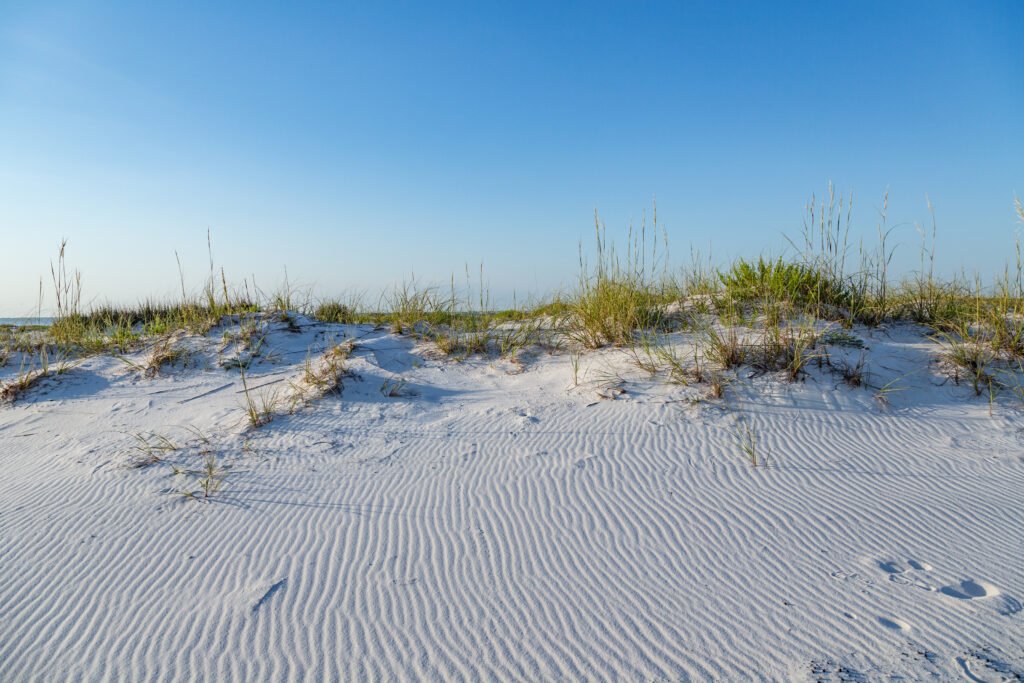
The best time to visit Florida for most people is March to May or late October to early December. You get warm, sunny days, low humidity, little rain and no hurricane worries. Winter (December to February) is perfect for South Florida and the Keys, while summer is hot, stormy and the right pick only if you want warm water and don’t mind afternoon thunderstorms.
But Florida is a big state. A January beach day in Key West and one in Pensacola are two completely different trips. So this guide breaks it down by region, by month and by what you want to do: beaches, theme parks, manatees, the Everglades or simply the cheapest dates. All weather numbers come from official climate data, and the dates are checked for 2027.
🌴 Quick Answer: Best Time to Visit Florida
- Best overall: March–May and late October–early December (warm, dry, outside peak hurricane season).
- Best for beaches: April–May statewide; South Florida and the Keys work all winter; the Panhandle is best May–September.
- Best for theme parks: mid-to-late January, early February and early November–early December, avoiding holidays.
- Cheapest: September, plus May (outside Memorial Day weekend) and early June.
- Worst: mid-August to mid-October for storms, and Christmas–New Year’s or spring break for crowds and prices.
In this guide
Florida’s Seasons at a Glance
Florida really has two seasons: a dry season from about November to April and a wet season from about mid-May to mid-October. The dry season brings sunshine, lower humidity and cooler nights. The wet season brings heat, humidity and short, loud afternoon thunderstorms almost every day.
Here’s what that feels like in Orlando. On a typical January afternoon, it’s about 72°F and sunny, and you’ll want a light jacket after dark, when it drops to around 50°F. On a July afternoon, it’s 92°F, the air feels like a warm towel, and around 3 p.m. the sky turns black, pours for 45 minutes and clears again. Same city, very different vacation.
| Season | Weather | Crowds | Prices | Good for |
|---|---|---|---|---|
| 🌸 Spring (Mar–May) | Warm, dry, sunny | High in March and Easter, easing in May | High, then falling | Beaches, theme parks, everything |
| ☀️ Summer (Jun–Aug) | Hot, humid, daily storms | High (school holidays) | Mixed; deals in South Florida | Warm water, Panhandle beaches |
| 🍂 Fall (Sep–Nov) | Hot and stormy early, lovely by November | Lowest in September | Lowest in September | Budget trips, quiet beaches |
| ❄️ Winter (Dec–Feb) | Mild in the south, cool in the north | Peak at holidays, quiet in January | High in the south, low in the Panhandle | Keys, Miami, Everglades, manatees |
General patterns. Hurricane season runs June 1 to November 30, according to the National Hurricane Center.
That’s the big picture. Now let’s zoom in, because where you go in Florida changes the answer more than anything else.
Best Time to Visit Florida by Region
Pensacola and Key West sit more than 500 miles apart as the crow flies, and winter temperatures change a lot along the way. The farther south you go, the better winter gets. The farther north you go, the better late spring and summer look.
| Region | January high / low | July high / low | Best months |
|---|---|---|---|
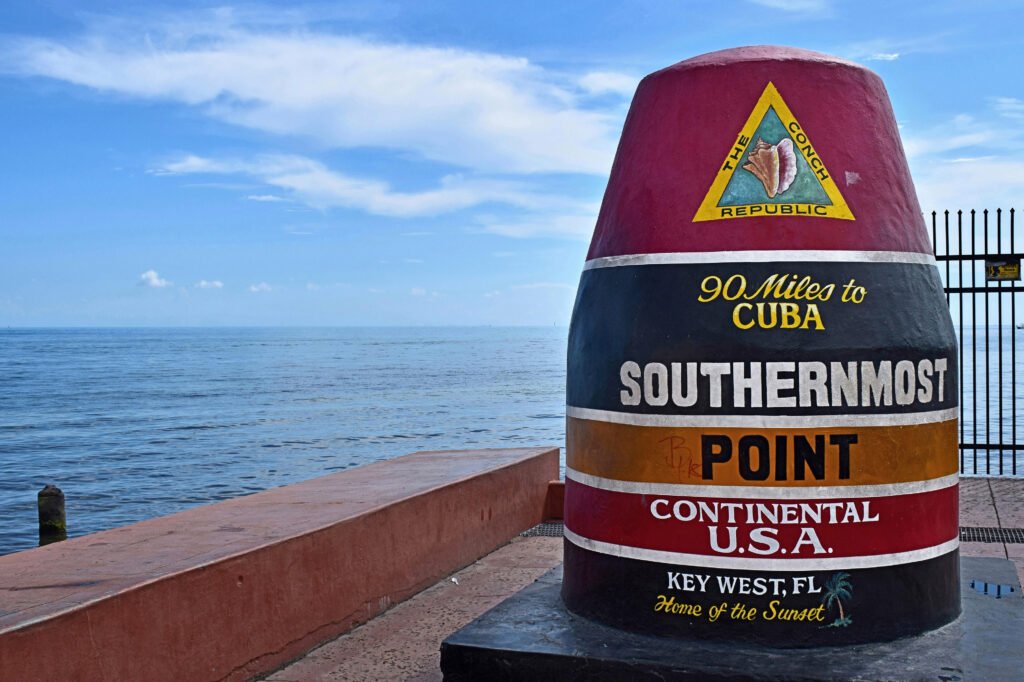
| 🏝️ Florida Keys (Key West) | ~77°F / 67°F (Dec–Feb avg) | ~90°F / 80°F (Jun–Aug avg) | December–May |
| 🌆 South Florida (Miami, Fort Lauderdale) | ~76°F / 61°F | ~91°F / 77°F | November–April |
| 🎢 Central Florida (Orlando) | 71.8°F / 49.5°F | 92.0°F / 73.2°F | February–May, October–early December |
| 🏖️ Gulf Coast (Tampa, Sarasota, Naples) | Low 70s / 50s | Low 90s / mid-70s | March–May, October–November |
| 🏰 Northeast (St. Augustine, Jacksonville) | Mid-60s / mid-40s | Low 90s / mid-70s | March–May, October–November |
| 🌊 Panhandle (Pensacola, Destin) | ~61°F / 43°F | ~91°F / 75°F | May–September (beach), April and October (value) |
Orlando and Key West figures are 1991–2020 normals from the National Weather Service; other cities are rounded long-term averages.
Picture two friends booking a beach trip for the second week of January. One picks Key West, where the National Weather Service’s Keys climate normals put the winter high at about 77°F. She snorkels and eats dinner outside every night. The other picks Destin on the Panhandle. The sand is gorgeous, but highs sit in the low 60s, the Gulf is too cold for most swimmers, and he spends more time in a hoodie than a swimsuit. Both went to “Florida in January.” Only one got the trip she pictured.
Florida Month by Month
Here’s how each month really plays out, so you can match your dates to your plans.
| Month | Weather | Crowds | Verdict |
|---|---|---|---|
| January | Mild south, cool north; dry | Busy New Year’s week, then quiet | ✅ Great after the holidays |
| February | Mild, dry, sunny | Moderate; busy Presidents’ Day weekend | ✅ Great |
| March | Warm and dry | Spring break peak | 🟡 Great weather, busy and pricey |
| April | Warm, dry, low humidity | Busy around Easter, then easing | ✅ One of the best |
| May | Hot by month’s end; rains start late | Quiet until Memorial Day | ✅ Best value with great weather |
| June | Hot, humid, daily storms | Busy once schools close | 🟡 Fine for warm water |
| July | Hottest, wettest stretch begins | High (summer holidays) | 🟡 Theme parks are hot and busy |
| August | Hot, humid; storm risk rising | Drops after schools return | ⚠️ Late August is quiet but risky |
| September | Hot, wet, peak hurricane month | Lowest of the year | ⚠️ Cheapest, but buy insurance |
| October | Drying out, still warm | Moderate; Halloween events | 🟡 Good, with storm risk early |
| November | Warm, dry, comfortable | Quiet except Thanksgiving week | ✅ Underrated favorite |
| December | Mild south, cool north; dry | Quiet early, peak Christmas week | ✅ Early December is a sweet spot |
Our planning guide. Holiday dates and school calendars shift crowd levels each year.
Notice a pattern? The best weeks sit right next to the busiest ones. Early December beats Christmas week, late April beats Easter, and May beats June. Moving your trip by just one or two weeks is often the easiest upgrade you can make.
Best Time to Visit Florida Beaches
For beaches across the whole state, April and May are hard to beat: warm air in the 80s, water warm enough to swim, plenty of sunshine and the summer rains haven’t started yet. Florida has roughly 825 miles of sandy beaches, according to the Florida Department of Environmental Protection, so you have options in every season if you pick the right coast.
- Clearwater Beach: soft white sand, calm Gulf water and lots of family-friendly amenities. Busy during spring break in March, lovely in late April, May and November.
- Siesta Key: near Sarasota, famous for powder-fine quartz sand that stays cool underfoot even on hot days. Great from March to May and in October and November.
- Daytona Beach: on the Atlantic, where you can still drive on designated sections of the beach for a fee. Wide, hard-packed sand and shallow water make it easy with kids. Best from April to October.
- Pensacola, Destin and Navarre: sugar-white sand and emerald water on the Panhandle, best from May to September when the Gulf is warm.
- Miami Beach and the Keys: the winter choice, with swimmable water from December to April.


A quick beach tip that still holds: go on weekdays. Popular beaches around Tampa Bay, Fort Lauderdale and Miami fill up on summer and spring weekends, and parking lots can be full by late morning. A Tuesday visit often means the same sand with half the people.

Here’s the catch with summer beach trips on the Atlantic side and in the Keys: sargassum seaweed tends to wash up more in late spring and summer. It varies a lot from year to year, so check local beach reports the week before you go. Now that you know where the sand is best, let’s talk about the place most families actually come for.
Best Time to Visit Florida Theme Parks
For Orlando’s theme parks, the sweet spots are mid-to-late January, early February (before Presidents’ Day), late April to mid-May, and early November to mid-December (except Thanksgiving week). The weather is comfortable and schools are in session, so lines are shorter than in summer or at the holidays.
Orlando has more big parks than ever. Walt Disney World has four theme parks: Magic Kingdom, EPCOT, Hollywood Studios and Animal Kingdom. Universal Orlando now has three, after Epic Universe opened in May 2025, alongside Universal Studios Florida and Islands of Adventure (home of the Wizarding World of Harry Potter). Nearby you’ll also find SeaWorld Orlando, Busch Gardens in Tampa, which mixes roller coasters with animal habitats, LEGOLAND Florida in Winter Haven, built for kids roughly 2 to 12, and Fun Spot America, a cheaper, smaller option.
Let’s make it real. A family that visits Magic Kingdom on December 28 should expect the park to be packed, popular rides with very long waits and higher ticket prices, since Disney prices tickets by date. The same family visiting on a Tuesday in mid-January will usually find shorter waits, cooler weather for walking all day and cheaper date-based tickets. Same park, very different day.
| Period | Crowds | Weather | Notes |
|---|---|---|---|
| 🟢 Mid–late Jan, early Feb | Low | Cool mornings, mild afternoons | Some rides close for maintenance |
| 🔴 Mid-Feb to mid-April | High | Ideal | Presidents’ Day, spring break, Easter |
| 🟢 Late April – mid-May | Low–moderate | Warm | One of the best windows of the year |
| 🔴 June – early August | High | Hot, daily storms | Arrive at opening, rest midday |
| 🟢 Late Aug – September | Lowest | Hot, peak storm season | Evening events can be busy |
| 🟡 October | Moderate | Warm, drying | Halloween events draw crowds |
| 🟢 Early Nov – mid-Dec | Low–moderate | Pleasant | Holiday decor; avoid Thanksgiving week |
| 🔴 Christmas – New Year’s | Highest | Mild | Parks can hit capacity |
Manatees, the Everglades and Quieter Places
Some of Florida’s best experiences depend on the season even more than the beaches do. Winter is the star here.
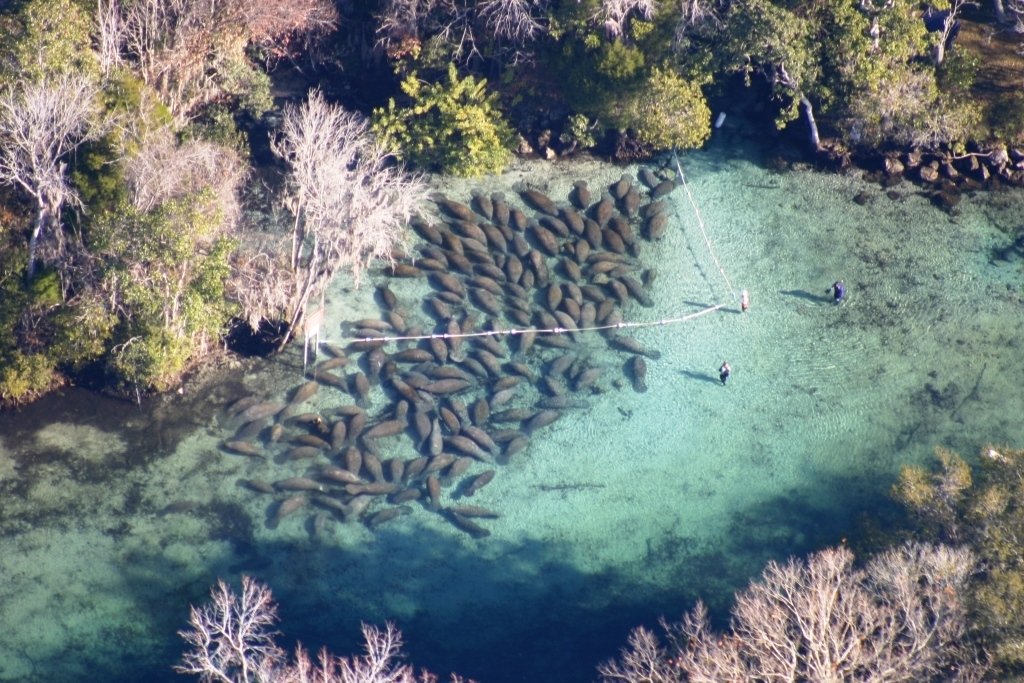
Manatees (mid-November to March): when the Gulf cools, hundreds of manatees gather in the warm 72°F springs around Crystal River and Homosassa on the Nature Coast. The Crystal River National Wildlife Refuge closes seven manatee sanctuaries to people from November to March, so you watch from boardwalks or from a respectful distance on the water. Go on a cold morning, and you might see dozens at once.
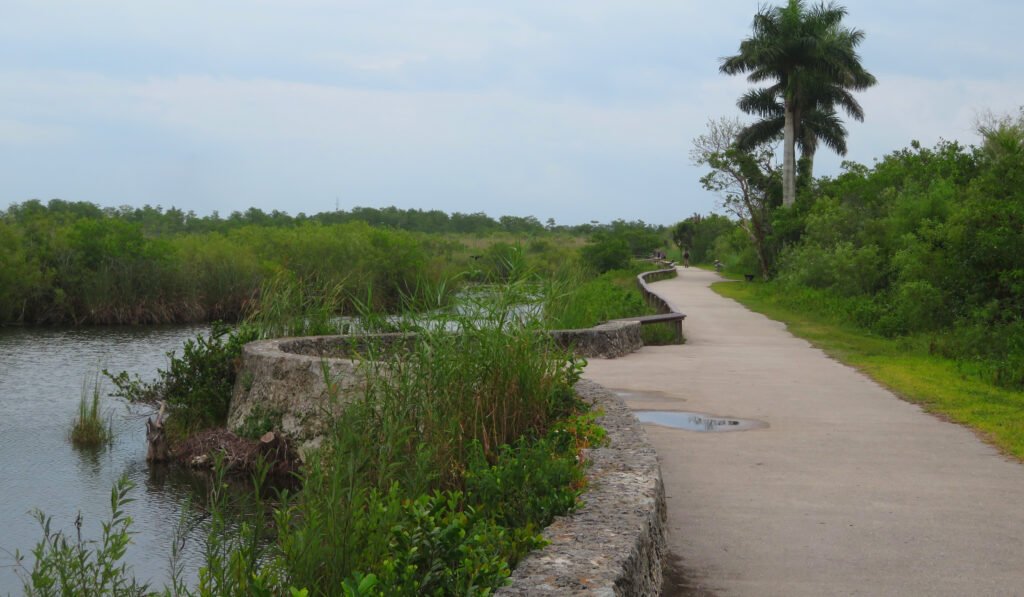
The Everglades (December to April): the dry season is the time to go. Water levels drop, birds and alligators gather near the remaining pools, and the mosquitoes ease off. The Anhinga Trail near the park’s Homestead entrance is an easy boardwalk walk where wildlife sightings are almost guaranteed in winter. In summer, the heat and bugs can be brutal.
Quieter places for any season: if you’d rather skip the crowds, try these spots, especially in the shoulder months of late April to May and October to November:
- St. Augustine: the oldest city in the continental US, with the Castillo de San Marcos fort and a historic district that glows during the winter Nights of Lights.
- Caladesi Island State Park: an unspoiled Gulf beach you reach only by ferry from Honeymoon Island or by private boat.
- Ocala National Forest: clear springs and hiking trails, with far fewer visitors than the coast. Spring swimming is best from April to October.
- Mount Dora: a small lakeside town with antique shops and a slow pace, about 45 minutes from Orlando.
- Key West: busy in winter, but its quieter months are May and early December.

What Is the Cheapest Time to Go to Florida?
September is usually the cheapest month to visit Florida. Kids are back in school, it’s the peak of hurricane season, and hotels and theme parks drop prices to fill rooms. May (outside Memorial Day weekend, which falls on May 29–31 in 2027) and early June, before most schools let out, are close behind and come with much less storm risk.
There’s a twist, though. In the Panhandle, winter is the cheap season, because few people want a cool beach. And in South Florida, summer often brings hotel deals in Miami and the Keys. So “cheapest” depends on where you’re going, too.
- Cheapest overall: September and early October.
- Best value with good weather: May and early November.
- Most expensive: Christmas to New Year’s, Presidents’ Day weekend, spring break (March) and Easter.
Flights follow the same pattern. Our guide on when to actually book flights shows how far ahead to buy, and if you’re driving down, see the average cost of a road trip in America to budget gas and hotels.
Worst Time to Visit Florida
The riskiest stretch is mid-August to mid-October. The Atlantic hurricane season runs from June 1 to November 30, and the National Hurricane Center says its peak is September 10, with most activity between mid-August and mid-October. Most trips in those weeks go fine, but a storm can close airports, parks and beaches for days.
July and August are also the hottest, most humid months, with highs in the 90s nearly every day across the state. If heat wipes you out, they’re the worst months for long theme park days. And for crowds and prices, the worst times are Christmas to New Year’s and spring break in March.
⚠️ Visiting in hurricane season? Do this
- Buy travel insurance when you book, before any storm has a name.
- Choose refundable hotels and flexible airline fares.
- Check the National Hurricane Center’s outlook a week before you go.
- Follow local officials if an evacuation order is issued; never wait it out on a barrier island.
How to Pick Your Florida Dates in 5 Steps
- Pick your region first. Keys or Miami in winter, the Panhandle in summer, Orlando and the Gulf Coast in spring and fall.
- Pick your main activity. Beaches, theme parks, manatees or the Everglades each have their own best months (see above).
- Check the school and holiday calendar. Avoid Christmas week, Presidents’ Day, spring break and Easter unless you must travel then.
- Shift by a week if you can. The week before or after a peak often costs far less with the same weather.
- Protect the trip. From June to November, book refundable rates and buy travel insurance early.
Mistakes to Avoid When Timing a Florida Trip
⚠️ Common timing mistakes
- Booking a January beach trip on the Panhandle. Highs near 61°F and cold water surprise a lot of people.
- Assuming “Sunshine State” means no rain. Summer afternoons bring storms most days; plan indoor time around 2–5 p.m.
- Booking Orlando during spring break by accident. Check the dates; March and Easter weeks are among the busiest of the year.
- Skipping travel insurance in September. It’s the cheapest month for a reason.
- Forgetting the sun in winter. Even a 75°F January day can burn you fast.
- Leaving tips out of your budget. Our US tipping guide covers restaurants, hotels and tours.
Frequently Asked Questions
What is the best month to go to Florida?
April is one of the best months for most of Florida: warm, sunny, dry and before the summer storms. If you want lower prices and fewer crowds, May (outside Memorial Day weekend) and early November are excellent too.
What is the cheapest month to go to Florida?
September is usually the cheapest month, because schools are back in session and it’s the peak of hurricane season. May and early June are good-value months with less storm risk.
What is the worst month to go to Florida?
September has the highest hurricane risk, and July and August are the hottest, most humid months. For crowds and prices, Christmas to New Year’s and spring break in March are the toughest times.
Is Florida warm in the winter?
South Florida and the Keys are warm, with average highs in the mid-to-upper 70s in January. Orlando averages about 72°F, and the Panhandle is cooler, with highs near 61°F, so it’s not beach weather there.
When is hurricane season in Florida?
The Atlantic hurricane season runs from June 1 to November 30. According to the National Hurricane Center, the peak is around September 10, with most activity between mid-August and mid-October.
When is the best time to visit Florida theme parks?
Mid-to-late January, early February, late April to mid-May and early November to mid-December (outside Thanksgiving week) usually bring shorter lines and comfortable weather.
The Bottom Line
If you remember one thing, make it this: the best time to visit Florida is spring (March to May) or late fall (late October to early December), and the right month shifts with the region. Head south in winter, north in summer, and steer clear of holiday weeks if you want short lines and fair prices. If you travel between June and November, book flexible and insure the trip.
Ready to plan? Compare Florida with other warm-weather escapes in our list of the warmest places in the US in February, or see how it stacks up against a winter trip to Cancun.
Keep learning: more trip-timing guides from Touring Diary Adventure
- Best time to visit the USA (2027): month-by-month guide
- 10 warmest places in the US in February
- Cancun in December and January: weather, crowds and costs
Sources: National Weather Service (Orlando and Florida Keys 1991–2020 climate normals); National Hurricane Center (hurricane climatology); U.S. Fish and Wildlife Service (Crystal River National Wildlife Refuge); Florida Department of Environmental Protection (coastal access); VISIT FLORIDA (manatee season). Checked November 2026.
Which part of Florida are you heading to, and when? Tell us in the comments, and we’ll tell you what that week usually looks like.