Md Soriful Islam

Md Soriful Islam is a passionate world traveler with firsthand experience exploring over 20 countries across Asia, Europe, America, and Africa. He is the founder of Touring Diary Adventure- takes you beyond the guidebooks—uncovering hidden gems, cultural secrets, and unforgettable travel experiences from around the globe. With a deep appreciation for diverse cultures, landscapes, and local traditions, Soriful shares authentic travel insights, practical tips, and destination guides to help others plan unforgettable journeys. His travel writing is grounded in real-life adventures and a genuine curiosity for discovering the world beyond the ordinary. Whether you're a first-time traveler or a seasoned explorer, Follow the real journeys of Md Soriful Islam and his guidance is designed to inspire and inform every step of your adventure.

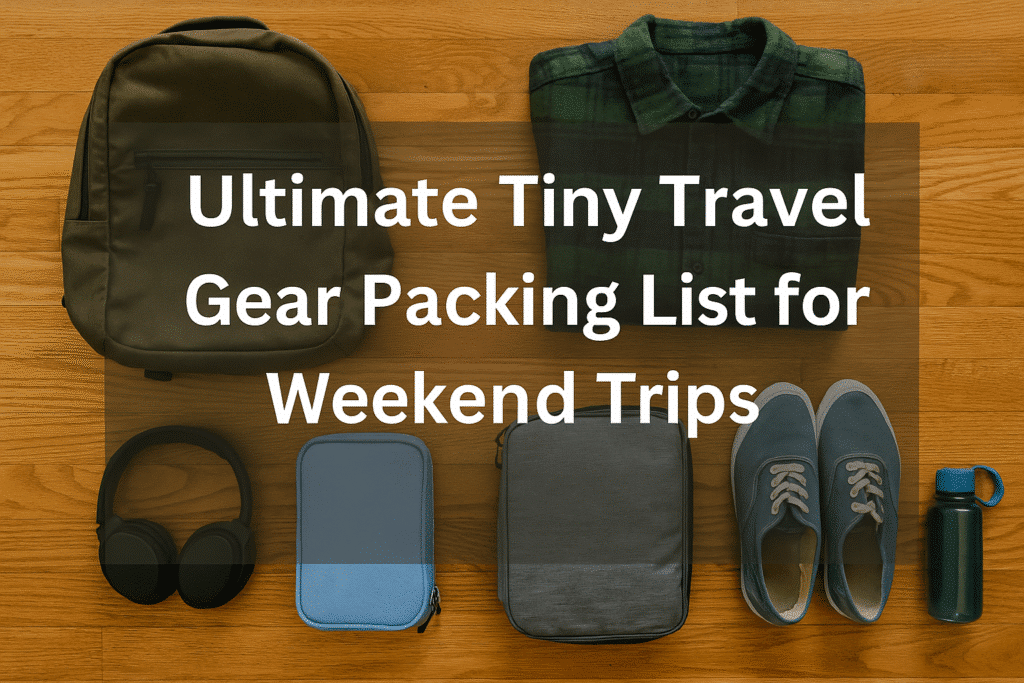
A digital photograph with overlaid text showing compact travel essentials like a backpack, packing cubes, and toiletries arranged neatly, labeled “Ultimate Tiny Travel Gear Packing List for Weekend Trips.”

Ultimate Tiny Travel Gear Packing List for Weekend Trips

Need to travel light? Our tiny travel gear packing list for weekend trips covers essentials, Amazon picks, and tips to pack smart. Ultimate Tiny Travel Gear Packing List for Weekend Trips: Best Reviewed Going on a weekend getaway? This tiny travel gear packing list for weekend trips will help you pack only the must-haves and stay light. We cover the essentials for clothing, toiletries, tech, and more. Plus, you’ll see 5 top Amazon travel products in a comparison table. By following these tips, you’ll travel smart and stress-free. Why Packing Light Matters Packing light makes short trips easier. You can skip checking a bag and move faster. Travel experts warn that “your stuff will expand to fill your bag,” so sticking to a short list is key. Using a carefully planned list means you bring only what you need, reducing stress. What is a tiny travel gear packing list for weekend trips? A tiny travel gear packing list for weekend trips is simply a checklist of essentials for short getaways. It lists compact, must-have items so you don’t overpack. Think of it as a simple reminder of what to bring—like one outfit per day, a small toiletry kit, and chargers. With this list, you avoid bulky items and focus on tiny gear that fits easily in your bag. Clothing and Footwear Pack one outfit for each day of your trip and one extra outfit just in case. For a 3-day trip, that might be 3 shirts, 2 pairs of pants or shorts, and 3 sets of underwear and socks. Tortuga’s travel guide recommends 1 pair of shoes and about 3 outfits for a 3-day trip. Choose clothes that mix and match, such as neutral shirts and pants, and layers like a light jacket or sweater. Shoes should be one versatile pair that you can wear walking all day and to dinner. Tip: Roll your clothes to save space and reduce wrinkles. Toiletries and Health Items Bring only travel-size toiletries and only the basics you need daily. A small toiletry bag might hold: If your hotel or Airbnb supplies soap and shampoo, you can leave these at home. One travel blog advises packing only small, sample-size toiletries to save space. Tip: Use zip-top bags for liquids to prevent leaks. Tech, Gadgets, and Documents Pack your phone and charger for sure, along with a portable charger (power bank) to stay powered on the go. If traveling abroad, include a small universal travel adapter. You may also want a camera or e-reader but skip any heavy tech like a laptop for a quick trip. For documents, put your ID, passport (if needed), tickets, and credit card in one secure travel wallet or pouch. One travel guide suggests keeping all important documents together in an easily reachable pouch. Entertainment and Comfort Bring items that make your travel more comfortable and fun. A neck pillow, eye mask, and earplugs can help you sleep on flights or trains. Pack a lightweight blanket or shawl for warmth. For entertainment, load your phone or tablet with music, movies, or e-books before you leave. A book or a deck of cards can be handy on the go. Tip: Keep all your devices charged and in an easy-to-reach pocket. Other Weekend Trip Essentials Don’t forget a refillable water bottle and some healthy snacks. For example, Touring Diary Adventure suggests a spill-proof water bottle to stay hydrated. Pack a small first-aid kit with bandages and pain relievers. If your trip involves outdoors, a daypack and a map or trail guide could be handy. For example, Touring Diary Adventure highlights Sweetwater Creek State Park as “home to some of the best hiking trails in Georgia,” showing that a tiny daypack with water and snacks is ideal. Top 5 Tiny Travel Gear Products We picked five popular Amazon travel items that can help you pack light. These products are highly rated and well-suited for short trips. For instance, travel + Leisure calls packing cubes “the best travel hack” for saving space. Check the table below for prices, features, pros and cons of each item. Travel Backpack Product Price Key Features Advantages Disadvantages Veken 8-Piece Packing Cubes $17.99 (8 pcs) Durable nylon cubes in 4 sizes; includes a shoe pouch and laundry bag. Organizes and compresses clothes; includes separate shoe and laundry bags Adds extra weight; full set may not fit in very small bags BAGSMART 30L Carry-On Backpack $28.87 30L travel backpack; laptop sleeve; water-resistant fabric; shoe compartment Fits carry-on size; padded straps for comfort; shoe pocket keeps shoes apart No wheels; can get heavy if overpacked Anker Nano 5-Port Travel Adapter $25.99 1 AC outlet, 2 USB-A, 2 USB-C (PD) ports; works in 200+ countries Charges multiple devices at once; slim design; smart temperature control Larger than single plug adapters; can’t adapt wall shape (need base plug for each country) Napfun Memory Foam Neck Pillow $15.86 U-shaped 100% memory foam neck pillow; breathable cover; includes eye mask and earplugs Very comfortable for sleeping upright; includes sleeping kit (mask and earplugs) Takes space in luggage; only useful during travel/sleeping INIU 10000mAh Portable Charger $15.98 10000mAh USB-C and USB-A power bank; 3A output for fast charging Slim and lightweight; charges phone ~2-3 times; compatible with phones/tablets Lower capacity than larger banks; one device at a time unless use slow port Napfun Memory Foam Neck Pillow Tips: Choose items that serve multiple purposes to save space. Always keep small essentials together (like charging cables in one pouch) to avoid losing them. Conclusion Using a tiny travel gear packing list for weekend trips helps you bring just the essentials and leave out the rest. With smart choices—versatile clothes, minimal toiletries, necessary gadgets, and a few compact extras—you’ll travel lighter and avoid headaches. Follow the tips above and our product guide when packing. Have a safe and fun weekend adventure with just the right gear!

Ultimate Tiny Travel Gear Packing List for Weekend Trips Read More »
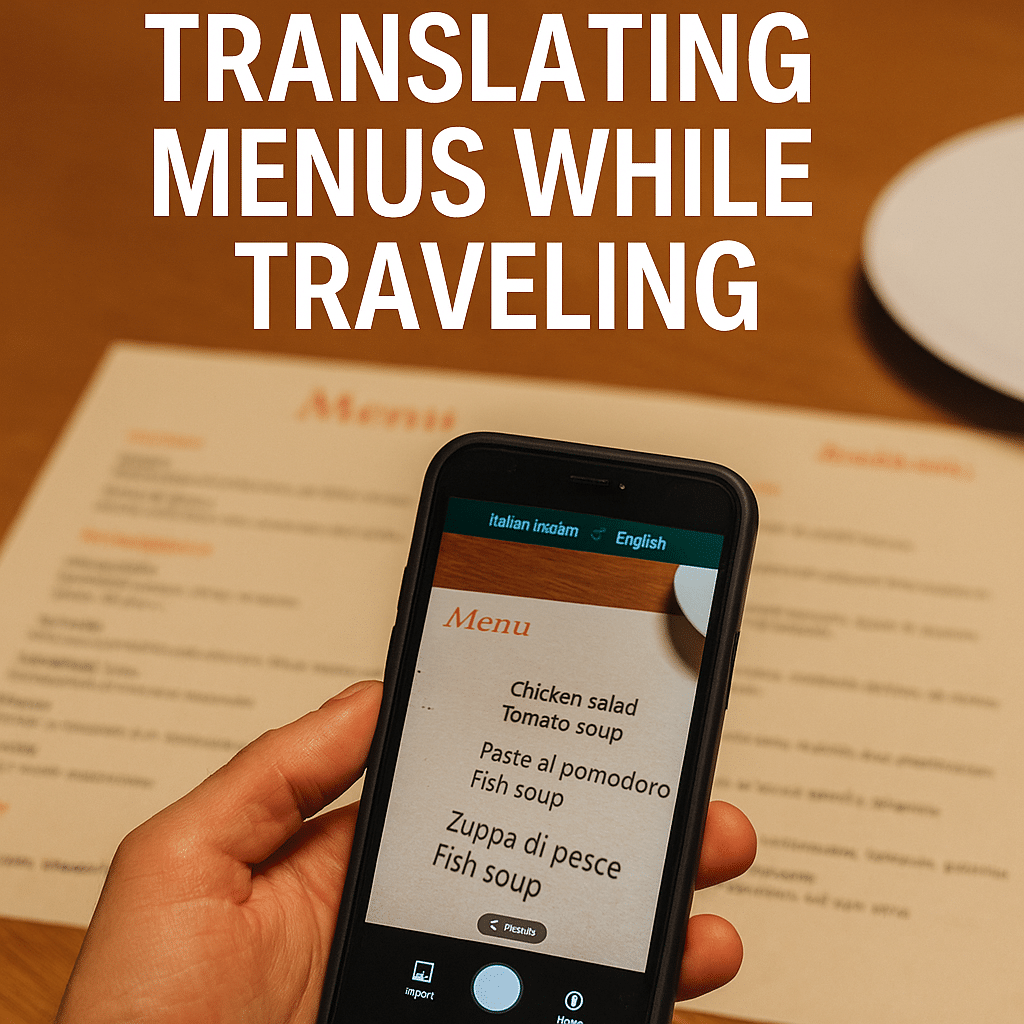
A digital photograph with graphic elements showing a traveler using a smartphone to translate a foreign restaurant menu, featuring the text “Best Apps for Translating Menus While Traveling.” A digital photograph with graphic elements showing a traveler using a smartphone to translate a foreign restaurant menu, featuring the text “Best Apps for Translating Menus While Traveling".

Best Apps for Translating Menus While Traveling

Struggling with foreign menus on your travels? This guide reviews top apps like Google Translate and iTranslate that make translating menus easy and safe. Best Apps for Translating Menus While Traveling: Best Apps for Traveling Traveling to a new country can be exciting, but translating menus while traveling can make ordering food feel like a guess. For example, a traveler in Tokyo might face a sushi menu written in kanji with no English. Without help, it’s hard to know what to order, but translation apps can solve that instantly. In fact, one survey found that about one in three travelers feel worried about not knowing the local language. Tourists even list reading menus as a major travel challenge. The good news is smartphone translation apps can make translating menus easy and safe. All of these tools are especially handy for translating menus on the go. This guide highlights the best menu translator apps for travelers and gives tips on how to use them. Why Menu Translation Apps Matter Language barriers often cause trouble for travelers. Many people don’t learn local phrases before trips. In one survey, fewer than one out of three travelers bothered to learn even basic words in the local language. If you sit down at a restaurant and only see strange words, it feels like a puzzle instead of a menu. The TransPerfect travel survey found that dining out – including reading menus – was one of the top obstacles for tourists overseas. In other words, a simple meal can become stressful when you can’t tell what each dish is. Translation apps solve this by instantly converting menu text into a language you understand. How Menu Translation Apps Work When translating menus, these apps act as your personal interpreter. Menu translation apps typically use your phone’s camera or microphone and advanced software. For example, Google Translate lets you point your phone camera at a menu and instantly see English text overlaid on the image. This works because of OCR (Optical Character Recognition) – the app scans the photo, recognizes the words, and then translates them. Many apps also let you type or speak a menu item to get a translation. When you do, the app’s language engine finds the best match in real time. Google has made its translation software smarter. In 2018 it added offline neural-network translation for 59 languages, which means even without internet the app can give high-quality results. Other apps use similar AI technology to improve accuracy. For instance, Microsoft Translator supports text, speech, and image translation for over 100 languages, so it can handle menus from many countries. Offline downloads work like having a phrasebook in your pocket: just download the language before you go, and you can still translate menu text in the restaurant. Over time the app also “learns” from corrections and gets better. Key Features to Look For in a Menu Translation App When choosing an app for translating menus, check for these useful features: Choosing an app with these features will make menu translation much easier and more accurate. Always test the app before you travel so you know how to use it. Many travelers wonder how to translate a menu without internet; the answer is to use the apps’ offline mode or offline packs, as mentioned above. Side-by-Side Comparison of Top Menu Translation Apps Here’s a complete side-by-side breakdown of the top translation apps based on essential features for travelers: App Name Free or Paid Number of Languages Supported Key Features Advantages Disadvantages Google Translate Free 108 (text), 94 (camera), 59 (offline) Text, voice, camera, offline mode, instant camera overlay Free, accurate, broad language support, strong offline mode Occasionally incorrect translations, lighting-dependent camera mode iTranslate Free with Pro version 100+ (38 offline with Pro) Voice, text, offline packs (Pro), Apple Watch support Clean UI, voice slow-down, sync across devices Paid Pro needed for offline, fewer camera features than Google Microsoft Translator Free 100+ Text, voice, image, real-time conversation, phrasebook Conversation mode, cross-device sync, integrated with Microsoft tools Camera translation not as strong as Google, UI slightly less intuitive Papago Free 13 Text, voice, camera, handwriting, slang/context-aware translations Great for Asian languages, free, smart contextual translations Limited to East Asian languages Waygo Free for limited use 3 Instant camera translation, works offline, food-specific icon overlays Offline support, focused on menus, fast and simple Only 3 languages, no text/voice input TripLingo Free with paid features 100+ Phrasebook, voice translator, culture tips, expense tools Multi-tool for travelers, cultural awareness, audio support Busy interface, more complex than others, some tools require payment SayHi Translate Free 90+ Text, voice, audio playback, natural-sounding speech Very easy to use, good for conversation, excellent voice clarity No image/camera translation, basic interface Best Menu Translator Apps for Travel Travel experts agree on these choices. All of the apps below can assist with translating menus while you travel. A travel blog, for example, lists Waygo, Papago, TripLingo, Google Translate and others as top translator apps for travelers. Below are some of the best apps you can use to translate menus: Google Translate Google Translate is a top pick for many travelers. It supports typing in 108 languages and has a powerful camera mode for 94 languages, including most European and Asian languages. Point your camera at a menu to translate entire pages instantly. Google Translate also works offline (you can download packs for 59 languages) so it’s useful where internet is spotty. The app offers a conversation mode if you want to talk to a local in real time. Because it’s free and constantly updated, it’s a reliable all-around tool. Google Translate also integrates deeply with Android. For example, the “Tap to Translate” feature works system-wide: copy a foreign dish name and a pop-up will show the English. The app saves your starred translations in your Google account, which is handy if you revisit the same menu later. The app’s large database usually handles slang and colloquial terms, though sometimes it still makes funny mistakes. For

Best Apps for Translating Menus While Traveling Read More »

Pregnant woman standing peacefully by a scenic lakeside at sunset, surrounded by forested hills, with the text "Best Babymoon Destinations USA" overlayed above.

Best Babymoon Destinations in the USA: Within Your Budget

Explore the Best Babymoon Destinations USA—affordable getaways, luxury resorts, spa retreats & winter escapes for your perfect second-trimester trip. Best Babymoon Destinations USA: Relaxing & Adventurous Spots for Expecting Couples Pregnant couples often treat themselves to a babymoon: a cozy vacation before baby arrives. Travel experts say it’s usually safe to travel during a healthy pregnancy, especially in the second trimester. With your doctor’s OK and a little planning (bring water, comfy pillows, and snacks), you can enjoy a romantic break. In this guide, we highlight the Best Babymoon Destinations USA, including one-of-a-kind locations from coast to coast. Below we list the best places for babymoon in USA (covering affordable and luxury options), from beaches to mountains. Summer Babymoon Destinations in USA Summer babymoons can be cool mountain retreats or breezy beach escapes. Here are top summer picks: Acadia National Park, Maine Asheville, North Carolina (Blue Ridge Mountains) Asheville blends a relaxed mountain vibe with city comforts. Sedona, Arizona Sedona is perfect for a warm, scenic babymoon with a spiritual vibe. Outer Banks, North Carolina For a laid-back beach babymoon, the Outer Banks (OBX) are ideal. Winter Babymoon Destinations in USA Winter babymoons often mean sunny warm climates or cozy mountain retreats. Even in winter, our picks for babymoon locations USA include warm escapes and snowy retreats. Always travel carefully and avoid extremes – pregnancy-safe months are key. Maui, Hawaii Maui is a luxurious tropical babymoon. Key West, Florida Park City, Utah A snowy mountain retreat with luxury resorts (skip active skiing if late pregnancy). Santa Fe, New Mexico Santa Fe blends art, culture, and gentle winter weather. Practical Travel Tips For extra convenience, consider gear from Touring Diary Adventure. You will get all kind of travel bags and travel related products. So why are you waiting, check it out. Recommended Amazon Products for Your Babymoon All in all, these Best Babymoon Destinations USA span coast to coast, ensuring a memorable trip for every couple. Congratulations and happy travels!

Best Babymoon Destinations in the USA: Within Your Budget Read More »

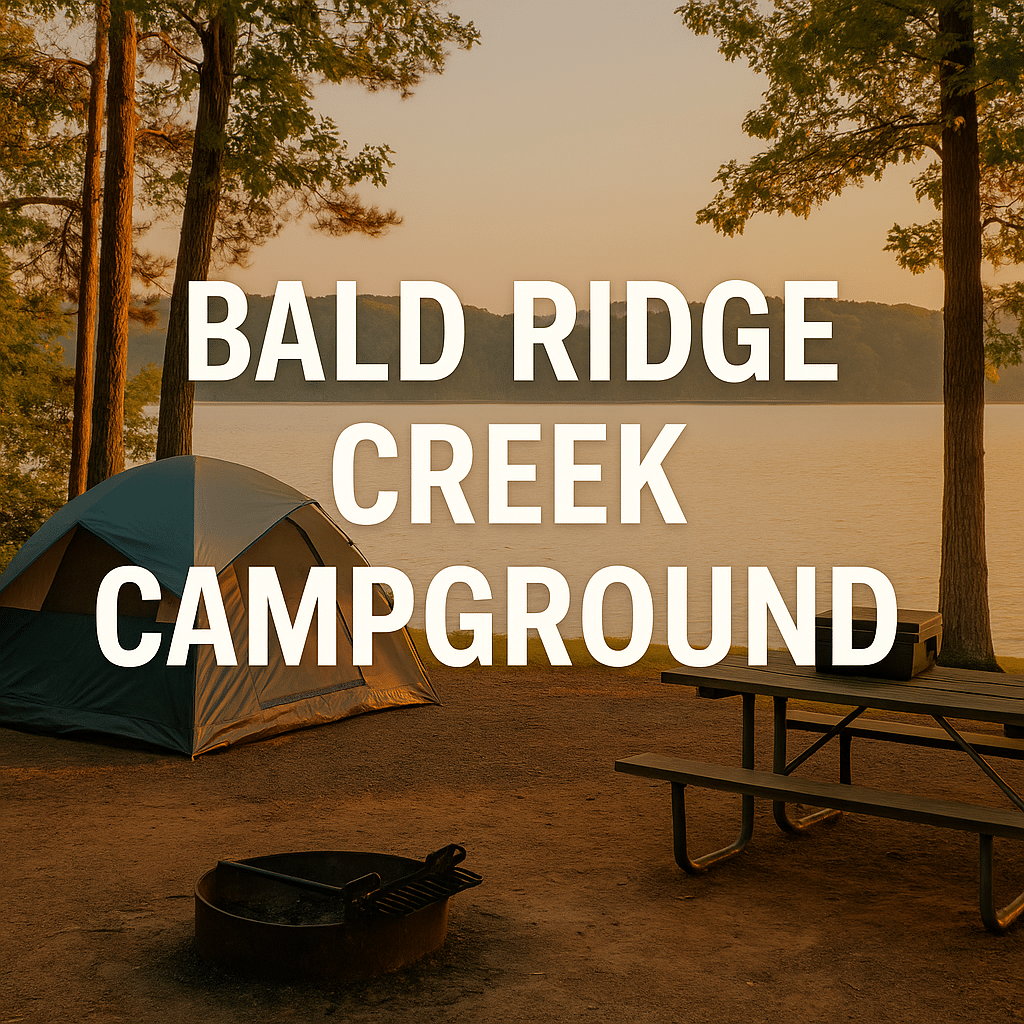
Lakeside campsite at Bald Ridge Creek Campground during sunset, showing a blue tent, picnic table, and fire pit surrounded by tall trees with a calm lake in the background. Bold text overlay reads “Bald Ridge Creek Campground.

Bald Ridge Creek Campground Travel Guide for All Campers

Plan your adventure at Bald Ridge Creek Campground on Lake Sidney Lanier. Learn how to get there (near Atlanta, GA), fees, facilities, dog policy, hotels. Bald Ridge Creek Campground: Lake Lanier Camping Guide ald Ridge Creek Campground lies on Lake Sidney Lanier in Georgia, a popular reservoir in the Blue Ridge foothills. It’s famous for its “aqua-blue” water and scenic views. The lake has about 38,000 surface acres of water and 692 miles of shoreline. Every year over 11 million visitors come to Lake Lanier for fishing, boating and swimming. Bald Ridge Creek offers 82 spacious campsites by the lakeshore. It’s great for tents, RVs (up to 50‑amp hookups), and even big rigs (up to 109 ft of vehicle length). This guide covers location and directions, fees, facilities, nearby hotels, restaurants, dog rules, and tips for your stay. Tip: Book your campsite early, especially for summer weekends. Bald Ridge Creek is very popular and often fills up months in advance. Location & Directions Bald Ridge Creek Campground is in Cumming, GA (Forsyth County), at 4100 Bald Ridge Park Road. The nearest big airport is Hartsfield‑Jackson Atlanta (ATL), about 45 miles (≈50 minutes) south. From Atlanta or the airport, take I-75 N to GA‑400 N, then Exit 16 (Pilgrim Mill Road). Follow Pilgrim Mill Road → Sinclair Shoals Road → Bald Ridge Road – signage leads you into the campground. The park entrance has a gatehouse (open daily) where you check in. There is free parking for campers. Tip: Arrive during daylight if you can. The park gates lock at 10:30 PM each night, and the road into the campground is easier to navigate in daylight. Campground Facilities & Amenities Bald Ridge Creek Campground is well-equipped for campers. Each campsite includes: Other Facilities Bald Ridge Creek is co-managed by Forsyth County and the US Army Corps of Engineers. The Corps welcomes you to Lake Lanier and notes the park’s popularity. Alcohol is not allowed anywhere in the park (the rules say “sober fun is encouraged”). Check-in is 3 PM; check-out by 1 PM. Recreation & Nearby Attractions Bald Ridge Creek is a paradise for water lovers. Virtually all campsites are on or near the waterfront. Fishing, boating, kayaking and swimming are easy to enjoy from here. The campground even has a warm sandy beach for swimming, and many campers launch paddleboards and kayaks at dawn. If you like fishing, Lake Lanier has bass, catfish, crappie and more – bring your fishing license! The park is also near Sawnee Mountain Preserve (about 8 miles west), which has several easy hiking trails and a kid-friendly nature center. In town, the City of Cumming (5 min away) offers shops, groceries, a visitor center, and even a fairground that hosts events. For more adventure, explore other parts of Lake Lanier: there are marinas, picnic areas and trails around the lake. Tip: Pack a cooler of snacks for the day. A sunset picnic on the Bald Ridge beach is special – you might catch a sky full of stars (Lake Lanier has dark skies away from city lights). Camping Fees & Passes There is no day-use fee because only overnight campers are allowed. You pay only for the night’s you camp. Typical nightly rates range roughly $26–$36 per night (depending on site type and season). If you have an America the Beautiful pass (Senior Pass, Access Pass, Military Pass, etc.), it’s honored here for a discount. (Forsyth County issues the passes for corps parks now.) Book your stay online via the Forsyth County reservation site or Recreation.gov. Be sure to have your pass or ID ready at check-in. Reminder: the gate closes to vehicles at 10:30 PM every night. Nearby Hotels & Motels If you prefer a motel or hotel instead of camping, there are several in Cumming (just a few miles away): All of these book up on busy weekends, so reserve early. Cumming also has some lakeside resorts (Lake Lanier Islands) if you want fancy amenities, but those are a 15–20 min drive south. More outdoorsy lodging tips: For ideas on camping gear or travel supplies, see our camping gear guide on GreenGolfingGenius. Restaurants & Dining In nearby Cumming (GPS “GA-20/Keith Bridge Road”), you’ll find plenty of eateries for any meal. Popular picks include: Most chains (pizza, Mexican, burger joints) also have locations in Cumming. Food delivery is limited; plan ahead. Many restaurants close by 8–9 PM, so eat early if you’re out late. Tip: Pack a picnic dinner and eat at the campground beach for the sunset! The Bald Ridge beach has picnic tables where you can relax by the water after dark. Pet (Dog) Policy Dogs are welcome at Bald Ridge Creek Campground, but please follow the rules. All pets must be on a leash (6 feet max) at all times. Clean up after your pet to keep the park clean. Note that pets cannot enter the bathhouses, playground, or designated swim beach. Pets also are not allowed in any park buildings (like the gatehouse or restrooms). The forested grounds mean ticks and insects are out – check your dog for ticks each evening. Overall, the campground is very pet-friendly, and your dog will enjoy sniffing the pine trees and splashing in the shallows. Tip: Bring your dog’s favorite bed or crate. Even though sites are somewhat isolated, it’s nice to have a familiar spot for pets. You might also bring extra towels to dry off wet dogs after lake swims. Recommended Camping Gear (Amazon Picks) For your trip to Bald Ridge Creek, consider these popular camping essentials (links go to Amazon): These affiliate camping gear picks will help make your stay more comfortable. And for even more gear advice, see Touring Diary Adventure camping equipment shop. Bald Ridge Creek Campground is a top choice for families, couples, and pet owners looking for lake fun near Atlanta. With easy access, great facilities, and stunning lake views, it’s a wonderful place to pitch a tent or park your RV. Safe travels and happy camping at Bald Ridge Creek!

Bald Ridge Creek Campground Travel Guide for All Campers Read More »

lot of skyscrapers building in river side different colors representing Great Places to Stay in Boston.

Great Places to Stay in Boston: Everything About Boston

Discover top places to stay in Boston with hotel reviews, prices, amenities, travel tips, and must-have gadgets for a perfect stay in every neighborhood. Great Places to Stay in Boston for Every Budget and Traveler Type Boston is a city of unique neighborhoods, each with its own charm – and choosing the right place to stay can make your trip truly special. In this guide, we’ll explore 15 great places to stay in Boston across downtown and areas like Back Bay, Fenway, and Cambridge. We’ve got you covered with addresses, phone numbers, Google review ratings, price ranges, room counts, facilities, official websites, and even directions from Logan International Airport for each option. Plus, we’ll sprinkle in some helpful travel tips and cautions to ensure your Boston adventure is smooth and fun. To top it off, we’ll recommend 5–6 handy gadgets (from door locks to luggage scales) that can make any hotel stay safer and more comfortable – with a comparison table to help you pick your favorites. Let’s dive in! Downtown Boston & Waterfront Hotels Downtown Boston is the historic heart of the city, putting you close to sights like Faneuil Hall, the Freedom Trail, and the waterfront. Staying downtown means you can walk to many attractions, but do keep in mind that driving and parking in the center can be tricky (and pricey – downtown hotels often charge $50+ per night for parking, so factor that in!). If you’re flying in, the good news is Logan Airport is only a few miles away by car, taxi, or public transit. Below are some great downtown Boston hotels – from luxury spots on the harbor to boutique finds in the city center. Boston Harbor Hotel – Waterfront Luxury at Rowes Wharf The Boston Harbor Hotel is a Forbes 5-star luxury hotel right on the waterfront, famous for the huge archway framing its entrance. Located at Rowes Wharf, this elegant property offers sweeping views of Boston Harbor. Guests consistently rave about the top-notch service and stunning harbor views – it has a 4.6/5 Google review rating based on over 2,300 reviews. . The hotel has 232 spacious rooms and suites with sophisticated décor. You’ll find great on-site amenities like an indoor swimming pool, a full-service spa, a 24-hour fitness center, and fine dining restaurants. It’s a pricier option (expect $$$$ per night for a standard room), but the experience is pure Boston luxury. Travel Tip: In summer, the Boston Harbor Hotel hosts free outdoor concerts and movies on the waterfront – a fun perk if you stay here or even if you’re just strolling by! The Langham, Boston – Historic Grandeur in the Financial District Housed in a beautiful former bank building, The Langham blends historic grandeur with modern comfort. After a $200 million renovation, The Langham re-opened as one of Boston’s finest hotels, and it shows – Google reviewers give it 4.6/5 as well (with ~1,700 reviews). The hotel’s 312 rooms are elegantly furnished (it’s truly “enhanced luxury and beauty” after the renovation). On-site you’ll find an Italian trattoria (Grana) in the former bank hall, the chic Fed cocktail bar, plus an indoor pool, hot tub, and fitness center. Service is a standout – guests have praised the staff’s extra efforts (even accommodating special meal schedules during Ramadan, for example). Caution: The Langham is in the Financial District, which is lively on weekdays but can be quiet at night or on weekends. That means less noise for sleeping – but also fewer restaurants open nearby on a Sunday night. Plan accordingly (or enjoy the peaceful vibes!). XV Beacon – Boutique Charm on Beacon Hill If you prefer a smaller, ultra-boutique experience, XV Beacon (pronounced “Fifteen Beacon”) is a top pick. This hotel sits atop historic Beacon Hill in a handsome Beaux-Arts building, offering a very personalized luxury stay. With only 63 rooms, XV Beacon feels intimate and exclusive – and indeed it’s “truly in a league of its own,” according to one Google review. Each room is uniquely decorated, featuring plush linens, gas fireplaces, marble bathrooms, and high-tech amenities. Guests love the thoughtful service (the staff remember names and go above-and-beyond for special occasions). It’s no surprise XV Beacon boasts a 4.7/5 Google rating, making it one of Boston’s best-reviewed hotels. On-site you’ll find Mooo…., an upscale steakhouse, plus a rooftop terrace and courtesy Lexus car service that will drop you around downtown for free. Travel Tip: Beacon Hill is a delight to explore on foot – all gaslit lamps and brick sidewalks. From XV Beacon, take a stroll down Charles Street for cute shops and cafés. Just wear comfy shoes – the hill’s streets are steep and cobblestoned in places (beautiful but a bit uneven). The Godfrey Hotel Boston – Modern Boutique in Downtown Crossing In the Downtown Crossing area (a busy shopping district), The Godfrey Hotel offers a stylish retreat that “beautifully marries historic charm with modern luxury,” as one review put it. The Godfrey has a chic, youthful vibe – think contemporary decor, a hip lobby lounge, and even a popular coffee shop (George Howell Coffee) off the lobby for your morning latte. It’s earned a 4.5/5 rating on Google from over 2,100 reviews, with guests loving the exceptional service and central location. The hotel is housed in two renovated historic buildings, giving it character with modern comforts. Rooms (242 in total) are sleek and comfortable – though not huge, they make smart use of space and tech (Bluetooth speakers, smart TVs, etc.). You’re within a 5-10 minute walk of Boston Common, Opera House, and tons of shops and eateries. Note: Downtown Crossing is a pedestrian-heavy zone (especially by day). It’s great for exploring on foot and shopping (Filene’s Basement site, anyone?), but it can feel a bit deserted late at night once stores close. The area is safe, but as always in a city, stay aware of your surroundings if walking late. The Godfrey has 24-hour doormen and is on a well-lit street. Seaport Hotel Boston

Great Places to Stay in Boston: Everything About Boston Read More »

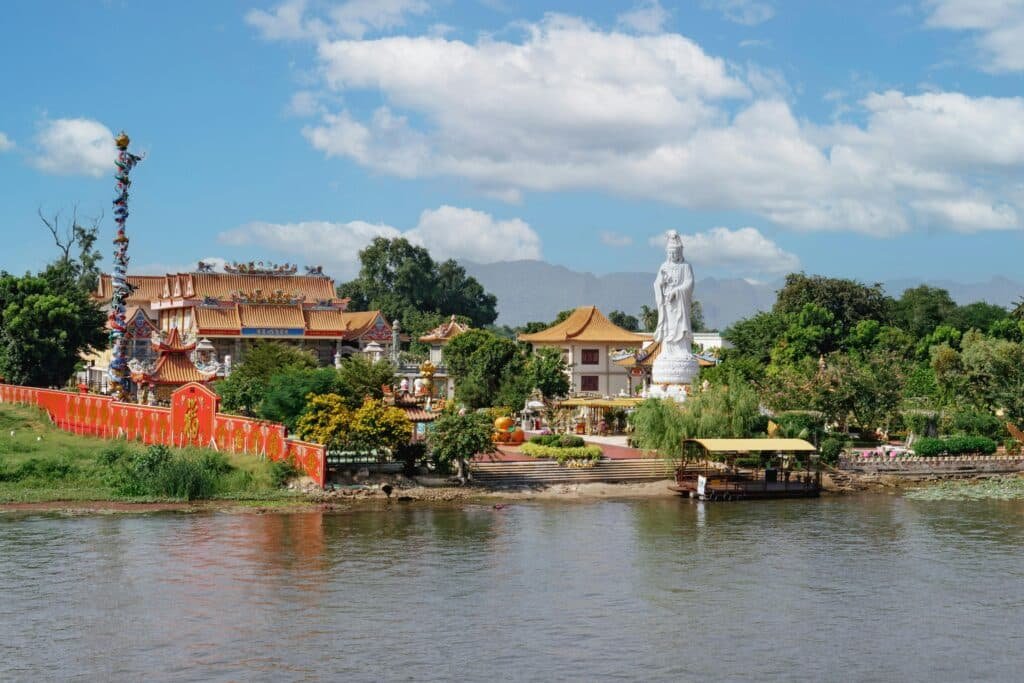
lot of sky tall buildings, river, trees representing Best Time to Travel to Thailand

Best Time to Travel to Thailand: Best Travel Tips

Discover the best time to travel to Thailand. Explore seasonal tips, top destinations, weather guides, travel gear, airport directions, and more. Best Time to Travel to Thailand: Top Travel Tips for Dream Destination Thailand is a dream destination known for its golden temples, tropical beaches, and vibrant culture. If you’re planning a visit, you might be wondering when the best time to travel to Thailand is. It’s a country you can visit year-round, but timing your trip can help you avoid extreme weather or even catch special festivals. In this Touring Diary Adventure guide, we’ll break down Thailand’s weather by season, highlight major events like festivals, and share essential travel tips and cautions to help you make the most of your trip. We’ll also review top-rated travel products (like backpacks and insect repellent) and even give you quick directions from Bangkok’s main airport to famous attractions. So let’s dive in and find out the best time to travel to Thailand for an unforgettable adventure! When is the Best Time to Travel to Thailand? If you’re looking for a quick answer, the best time to travel to Thailand for ideal weather is during the cool, dry season from November through February. In these months, most of the country enjoys warm sunny days and comfortable humidity, making it easiest to explore and relax. However, as we’ll discuss below, Thailand can be visited year-round – each season has its unique pros and cons, and the best time to travel to Thailand might also depend on what you want to do (whether it’s diving, trekking, or attending festivals). Thailand’s Climate and Seasons Thailand has a tropical climate with three main seasons: a cool dry season, a hot season, and a rainy monsoon season. The country stretches from the mountains in the north to the beaches in the south, so weather can vary by region. Here’s a quick look at each season and how it might affect your travel plans: Cool & Dry Season (November – February) This is generally the best time to travel to Thailand for most visitors. From November through February, the weather is comfortably warm (not too hot) and rainfall is at its lowest. In Bangkok and central Thailand, daytime temperatures hover around 25–30°C (77–86°F), with low humidity. Up north in Chiang Mai or Chiang Rai, it can even get cool at night – sometimes below 15°C (59°F) in December or January, so a light jacket is handy. Tourists flock to Thailand during this period for good reason. The skies are clear, the seas are calm, and it’s perfect for beach hopping or exploring cities on foot. Whether you’re visiting the ornate Grand Palace in Bangkok or hiking in the northern hills, the climate is on your side. Keep in mind this is peak season, so popular spots can be crowded and prices for flights and hotels are higher. It’s wise to book accommodations early if you plan to visit around Christmas, New Year’s, or the Chinese New Year period. Festivals: November kicks off festival season with Loy Krathong, the beautiful Festival of Lights usually in mid-November, when locals float candlelit baskets on waterways. It’s a magical time to be in places like Chiang Mai or Sukhothai. Cool season is also a great time for outdoor markets and night bazaars due to the pleasant evenings. Hot Season (March – May) March through May in Thailand is summertime – and it gets hot. It’s not the best time to travel to Thailand if you’re sensitive to heat, but it does offer some unique advantages. By April, temperatures often soar past 35°C (95°F) in many areas, with some days exceeding 40°C (104°F). The air becomes humid and still, especially in inland cities like Bangkok. Sightseeing under the midday sun can be tiring, so plan for indoor breaks or pool time if you’re traveling during these months. Despite the heat, April is a very popular month to visit because of the Songkran Festival, Thailand’s famous water fight celebration of the traditional New Year. Songkran, Thailand’s famous water festival held every April, is a joyous splash-filled celebration of the traditional New Year. Travelers across Thailand join the fun by spraying water on friends and strangers to wash away the past year’s bad luck. Be prepared to get soaked if you visit during Songkran – getting wet is all part of the experience! Songkran (usually April 13–15) is like a country-wide water party – locals and tourists splash each other with water guns and buckets as a way to cool off and celebrate new beginnings. It’s a fun cultural experience but be prepared to get wet! Travel Tip: During Songkran, keep your phone and camera in waterproof bags to protect them – you will get wet even if you’re just walking on the street. Also, dress for the occasion (quick-dry clothing or swimwear) and remember that drenching strangers is all in good fun during these days. Other than Songkran, the hot season is a bit of a lull for tourism. Beaches are less crowded in March and April compared to December, so if you can handle the heat you may enjoy quieter islands and lower hotel rates. Just be sure to stay hydrated, wear sunscreen and a hat, and plan outdoor activities for early morning or late afternoon when possible. The heat is intense, but the upside is that the rains haven’t started yet – early hot season (March) is dry in most regions, so some travelers choose this time to catch good weather with fewer crowds. Rainy Season (June – October) Come June, Thailand enters its monsoon period. The rainy season typically runs from around May or June through October in most of the country. During this time, warm moist air brings frequent rain showers. In the early rainy season (June and July), the rain might be just an hour-long tropical downpour in the afternoon, offering a refreshing cooldown. As the monsoon peaks (especially September and early October), rain can be heavier and more

Best Time to Travel to Thailand: Best Travel Tips Read More »

Clayton County International Park with trees, fields and surrounding areas

Clayton County International Park: Family Fun at Lake Spivey

Explore Clayton County International Park: water fun, trails, picnics & family adventures near Lake Spivey. Plan your visit with tips, gear & reviews. Clayton County International Park Guide with Activities and Essentials Visiting Clayton County International Park is like finding a hidden gem just south of Atlanta. This family-friendly park near Lake Spivey is packed with exciting activities, beautiful scenery, and a bit of surprising history. Whether you’re looking to splash around, explore nature, or enjoy a relaxing picnic, this park has something for everyone. In this guide, we’ll dive into all the fun things to do here and share tips to make your visit awesome. Get ready for a day of adventure and memory-making at one of Georgia’s coolest parks! Direction From Atlanta Airport Driving Directions (Approx. 20–25 minutes | 15 miles) Address for GPS Clayton County International Park2300 Hwy 138 SE, Jonesboro, GA 30236 About Clayton County International Park Clayton County International Park, located in Jonesboro, Georgia, has a unique backstory. It was originally built for the 1996 Olympic beach volleyball games. Later on, the park’s beach was even used as the Cornucopia arena in “The Hunger Games: Catching Fire”! Today, the Olympic crowds are gone, and the movie crews have left, but the park has transformed into a year-round oasis for local families and visitors. Despite its grand name, the park is basically a big, beautiful county park with lakes, playgrounds, trails, and a water park. Many people also call it “Lake Spivey Park” because it sits by Lake Spivey (a private lake). With hundreds of acres to explore, there’s plenty of room to roam and play. Now, let’s look at all the great things you can do here! Things to Do at Clayton County International Park Wondering about the things to do in Clayton County International Park? There are plenty of activities for all ages. Here are some of the park’s main attractions you won’t want to miss: Spivey Splash Water Park The park’s Spivey Splash Water Park features colorful twisting slides and pools that delight visitors of all ages. Families flock here on hot summer days to cool off and enjoy the water attractions. With everything from a lazy river to splash pads, there’s aquatic fun for everyone. One of the biggest highlights is the lazy river – in fact, it’s the largest lazy river in Georgia. You can float gently along the winding waterway on an inner tube and relax under the sun. The water park also has tall twisting slides for thrill-seekers, a FlowRider surf simulator, and a shallow kids’ pool and splash pad perfect for little ones. Lifeguards are on duty, and there are lounge chairs and umbrellas for shade around the pools. Keep in mind, there’s an admission fee (around $15 per person) to enter Spivey Splash, and it’s typically open during the warmer months. If you plan to enjoy the water park, remember to pack sunscreen and maybe a waterproof case for your phone. The JOTO Universal Waterproof Phone Pouch is a handy accessory that keeps your smartphone dry and safe while you float or zip down slides. It’s clear enough to even snap some photos in the lazy river, so you can capture those fun moments without worry about splashes! Hiking and Biking Trails If you’re looking to stay dry and enjoy nature, the park offers walking and biking trails that wind through the woods and around the lakes. These paths are mostly flat and family-friendly – great for a casual stroll, a bike ride, or even a morning jog. Along the way, you might spot wildlife like ducks or turtles near the water. The paved paths make it easy for kids on scooters or bikes, and there are also a few dirt trails for a short hike under shady trees. It’s a refreshing way to soak up the outdoors. You’ll find benches and picnic spots where you can take a break. Consider bringing a picnic lunch to enjoy by the lake. The park has a large group picnic area and pavilions you can rent, or you can simply lay out a blanket under the trees. A waterproof Scuddles Extra Large Picnic Blanket is perfect for this – it’s big enough for the whole family and has a water-resistant backing to keep everyone dry on the grass. Relaxing on a comfy picnic blanket by the lake while the kids play nearby is a perfect way to spend an afternoon at the park. Playgrounds and Sports For those who love to be active, the park has you covered. Kids will adore the playgrounds – there’s an outdoor playground with swings and slides, and even an indoor play area for rainy days. Sports enthusiasts can hit the courts at the 17-court tennis center. There are also large open fields where you can toss a frisbee. It’s a great idea to bring along a fun game to play on the grass. One popular choice is the Spikeball game set, a super-fun 2-on-2 bouncing ball game that’s perfect for the park. It’s easy to learn – you can set it up anywhere on the grass and start a friendly game. The park also hosts events like occasional summer concerts and outdoor movie nights. Keep an eye on their event calendar – you might catch a live music performance or a “Movie Under the Stars.” If you plan on staying for a concert or movie night, a Coleman portable camping chair will keep you comfortable. These folding chairs are easy to carry and even come with a built-in cup holder (some models have cooler pouches for drinks). They let you sit back and enjoy the show without having to sit on the ground. Lakes and Fishing The park’s smaller lakes offer a peaceful change of pace. Fishing is allowed in these ponds (catch-and-release). Even if you don’t fish, you can enjoy walking around the water’s edge and spotting frogs, turtles, or dragonflies. There are picnic tables and grills by the lakes, so you

Clayton County International Park: Family Fun at Lake Spivey Read More »

15 Best Things to Do in Ellijay, GA (2025 Guide to Top Attractions & Hidden Gems)

15 Fun Things to Do in Ellijay, GA – A North Georgia Getaway

Discover fun things to do in Ellijay, GA—from apple orchards to hiking trails, wineries, and festivals. Plan your perfect North Georgia getaway today! 15 Fun Things to Do in Ellijay, GA – Classic Family Vacation Spot Looking for fun things to do in Ellijay, GA? Ellijay, Georgia (Ell-ee-jay) sits in the foothills of the North Georgia mountains and is famous for being Georgia’s Apple Capital. This small town is full of family-friendly fun. If you are planning a trip or just a day visit, you will find plenty of things to do in Ellijay, GA. From outdoor adventures to tasty treats, this town has it all! For a quick overview, here are six classic things to do in Ellijay, GA: These ideas are just the start! Many visitors love the mix of nature and small-town charm in Ellijay. Imagine hiking through lush forests, floating down a cool river, and then enjoying an ice-cold cider on a hot day. You can also pick your own apples, visit a bigfoot museum, or explore local breweries. Let’s take a closer look at all the fun activities this area has to offer. Driving Directions from Atlanta International Airport to Ellijay, GA: Route Overview Step-by-Step Directions: Pro Tip: Use Google Maps or Waze for real-time traffic and detour updates. Weekend traffic, especially during fall festival season, can slow down near mountain towns. Explore the Great Outdoors in Ellijay, GA Ellijay is surrounded by the Chattahoochee National Forest and three rivers, so it’s a paradise for nature lovers. Hiking is a top activity here. For example, Springer Mountain is the southern end of the famous Appalachian Trail. Three long trails meet at the summit of Springer Mountain, which leads hikers on a 2,100-mile adventure all the way to Maine. Even if you don’t hike the whole trail, you can enjoy the beautiful mountain views from the top. Tumbling Waters Trail If you’re visiting with family, try the Tumbling Waters Trail. This easy 1-mile hike includes a long footbridge with great views. The trail has waterfalls and an overlook, making it perfect for a short adventure. Kids and even dogs will love this walk through the woods. Nearby, Big Acorn Trail is another easy loop along the water if you want more walking. Along with hiking, you can enjoy river fun. The Cartecay and Ellijay Rivers come together near town. Both rivers are calm enough for tubing and kayaking. Cartecay River Outfitters and Ellijay River Outfitters offer tubes, kayaks, and rafts for rent on warm days. Paddling down the river is a safe way to cool off and see the scenery. Fishing is also popular: the Cartecay River has plenty of bass and is even stocked with trout. You might spend an afternoon floating with your friends or family! Carters Lake Another great spot is Carters Lake, the largest lake in Georgia. It has clear blue water, sandy beaches, and boat ramps. People love to go swimming, boating, or fishing there. You can rent kayaks or paddleboards and glide over the calm waters. If you like hiking, there are easy trails around Carters Lake too. The lake is surrounded by green forests and mountain views. It’s a great place to relax and pack a picnic. It’s one of many things to do in Ellijay, GA for outdoor fans. As Georgia’s tourism site notes, Ellijay “welcomes visitors with its top-tier hiking trails and wineries”. For nature and adventure lovers, these highlight some of the best things to do in Ellijay, GA. Whether it’s hiking a mountain, rafting a river, or exploring a forest, Ellijay’s outdoors never disappoint. Apple Orchards and Festivals Ellijay is best known for apples. It is called Georgia’s Apple Capital for a good reason. Every fall (usually in October) the town celebrates with the Georgia Apple Festival. This is a huge event, held over two weekends in mid-October, that draws crowds from all over. Around 300 vendors set up booths at the festival, selling handmade crafts, hot cider, funnel cakes, and apple fritters. There is also a classic car show, live music, and a fun run, so it’s really a festival for all ages. In fact, enjoying orchards and festival fun are classic things to do in Ellijay, GA, especially in fall. You will also find that Ellijay has many apple orchards and “apple houses” where you can pick your own fruit and buy goodies. In fact, Ellijay has at least 11 apple orchards, and apples are in season from about August through November. For example, Penland’s Apple House (family-run since 1936) is open year-round. They sell fresh apples, home-baked pies, candy apples, apple cider, jams, and more. R&A Orchards is a family farm where you can fill up a bag with U-pick apples. While you’re there, you can even grab a pair of clippers and a cup to make your own bouquet from the flower fields. Red Apple Barn Another spot is Red Apple Barn, which has apple orchards and a pumpkin patch in the fall. You can pick apples, bounce on giant slides, ride a hayride, and shop for gifts and baked goods. Nearby, B.J. Reece Orchards offers a giant corn box and a long slide to race down with friends or family. (This farm has been around since the 1960s and even has a petting zoo.) All these farms also bake tasty treats. Don’t skip the apple cider donuts, which are a local favorite. And for grown-up fun, visit Reece’s Cider Company, run by the family of B.J. Reece. Here you can taste hard cider made from Ellijay apples – try flavors like “Apple Pie” or the sweet “Poppy’s Pick”. If wine is more your style, check out Roo Mountain Vineyards on the way back. Roo Mountain (meaning “red roof”) has a winery and a rooftop deck with mountain views, and they serve wine and ciders made from local fruits. In short, picking apples and enjoying apple-themed food is one of the most popular things to do in Ellijay, GA in

15 Fun Things to Do in Ellijay, GA – A North Georgia Getaway Read More »

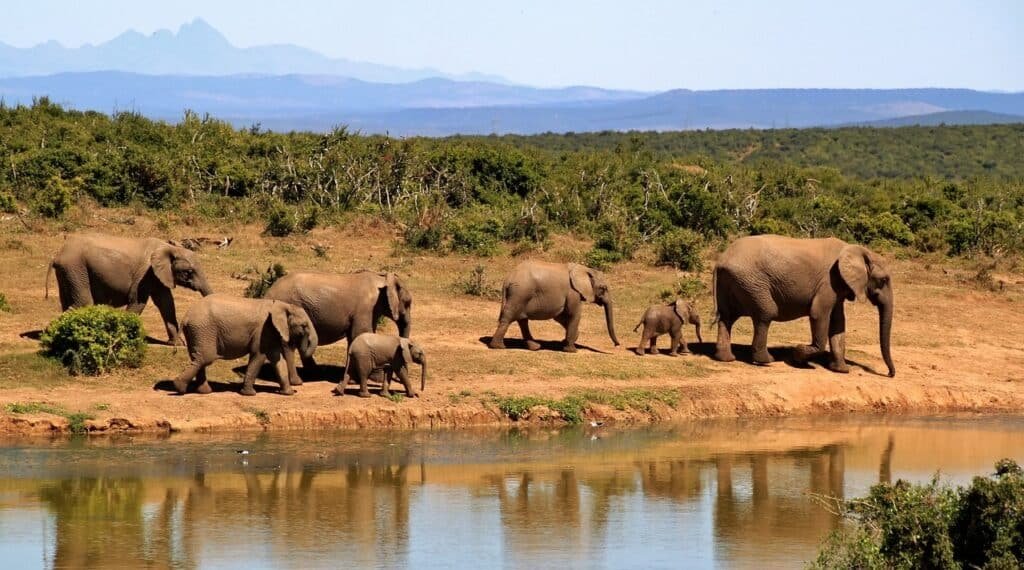
elephants, herd, safari, calves, baby elephants, african bush elephants, family, pachyderms, african savanna elephants, animals, large animals, mammals, wild animals, wildlife, fauna, wilderness, national park, nature reserve, nature, elephants, elephants, elephants, elephants, safari, safari, safari, safari, family, family, national park

Best Time of Year to Go on African Safari: Top Destinations

Discover the best time of year to go on African Safari with side-by-side comparisons of wildlife, weather, crowds, and cost in top destinations. Best Time of Year to Go on African Safari: Guaranteed Wildlife Viewing Zebras grazing in the African savanna. African safaris are spectacular year-round, but the best time of year to go on African Safari often coincides with dry seasons when wildlife congregates at waterholes. Safaris typically start at dawn – visitors “quickly fall into the routine of pre-dawn starts… active afternoons,” maximizing animal sightings- nationalgeographic.com. In East Africa, the long dry spell (roughly June–October) is prime time, while the short rains (Nov–Dec) and long rains (Mar–May) bring lush scenery, abundant birds, and far fewer tourists (often at discounted prices). Travelers who prioritize big-game viewing usually favor the dry season; those who want green landscapes, baby animals, and lower rates might choose a shoulder or rainy season. National Geographic’s travel guide highlights this rhythm, noting how safari days exploit early morning and late afternoon light for wildlife watching. By Destination: Best Time of Year to Go on African Safari Country Dry Season (Jun–Oct) Wet Season (Nov–Apr) Wildlife Highlights Kenya Clear skies and great visibility; peak game drives. Crowds: High Jun–Oct (esp. Masai Mara); Pricing: Premium– please check here. Rainy (Apr–May) with green landscapes; Crowds: Low; Pricing: Lower– please check here. Great Wildebeest Migration (Jul–Sep); year-round Big Five (lion, elephant, etc.) Tanzania Dry, cool weather; Crowds: Peak Jul–Oct; Pricing: High during migration Short rains Nov–Dec, long rains Mar–May; Crowds: Sparse; Pricing: Discounts Serengeti Migration (Jul–Oct); Ngorongoro and Tarangire attractions South Africa Dry winter (May–Sep); bush sparse so animals gather at water. Crowds: High in parks; Pricing: High (winter). Summer rains (Nov–Mar) on coasts; Crowds: Best for beaches, less safari-viewing; Pricing: Mixed Kruger NP Big Five (excellent year-round); whale-watching (Cape) in July–Nov Botswana Dry (Jun–Oct) with Okavango Delta at peak; Crowds: Peak Jul–Sep; Pricing: Premium. Wet (Nov–Apr), green season with many birds; Crowds: Low; Pricing: Discounted Elephants, lions, wild dogs in Okavango and Chobe (Jul–Sep); massive bird migrations in wet season Namibia Dry (Jun–Oct) desert safari; Crowds: High in popular parks; Pricing: High Jul–Oct. Rains (Dec–Apr) are light; green season with waterholes; Crowds: Few; Pricing: Lower Etosha wildlife at waterholes in dry; spectacular dunes and desert-adapted species The table above summarizes how seasons affect weather, crowds, and wildlife in each country. In general, dry seasons (June–October) offer the clearest conditions for game drives. All five destinations have abundant wildlife in the dry months, but they also see the most visitors and highest costs then. Wet seasons (roughly November–April) bring lush scenery and fewer tourists, but heavy rains in some parks can make roads difficult and scatter animals. Consider these trade-offs when planning. Kenya: Best Time of Year to Go on African Safari A lion in Kenya’s Maasai Mara National Reserve. In Kenya, the best time of year to go on African Safari is widely considered the dry season (roughly June–October, plus a short Jan–Feb window). During this period the grass is low, and animals gather around shrinking water sources, so wildlife sightings (especially of elephants, lions, giraffes and zebras) are excellent. The Great Wildebeest Migration reaches Kenya’s Maasai Mara around July–September, a once-in-a-lifetime spectacle. Expect heavy crowds and peak prices in July–October (the Mara is especially busy then). In contrast, the April–May rains bring greener scenery, very few tourists, and discounted safari rates. Safari Bookings confirms that June–October and January–February are Kenya’s top months for game viewing, while April–May is low season. Tanzania: Best Time of Year to Go on African Safari A cheetah in Tanzania’s Serengeti National Park. In Tanzania, the dry season (June–October) is generally the best time of year to go on African Safari. The classic northern circuit (Serengeti, Ngorongoro, Tarangire) is at its prime then, and the Great Migration’s herds gather in the Serengeti from mid-year. Cool, clear days mean great predator viewing. Tourist numbers and prices peak in July–October for this reason. The wet season (March–May) offers verdant landscapes and newborn wildlife, and many lodges drop their rates – but heavy rains can make some roads impassable. As Safari Bookings warns, “the wettest months are March to May, and any safari might be compromised at this time”. South Africa: Best Time of Year to Go on African Safari A white rhinoceros in a South African reserve. South Africa has diverse climates, but most safari areas shine in the Southern Hemisphere winter (May–September), which many travelers regard as the best time of year to go on African Safari. Kruger National Park and other big-game reserves thin out during the dry winter: vegetation is sparse and animals crowd around waterholes, making sightings easier. Safari Bookings notes that “most of the country’s key parks and reserves are at their best in the southern hemisphere winter months of May to September”. (Be aware that coastal destinations and Cape Town are actually best in summer – November to March – but inland safaris are then hotter and lusher.) School holidays in June–July can draw many families to Kruger, so lodging fills up, whereas the off-season (warm, wet summer months) sees fewer visitors and some price reductions. Botswana: Best Time of Year to Go on African Safari A herd of elephants at a watering hole in Botswana’s Okavango Delta. In Botswana, the best time of year to go on African Safari is often the dry winter months (July–September). This is when the Okavango Delta is in flood, the Kalahari waterholes are limited, and wildlife is highly concentrated and easy to find. Safari Bookings explains that “July to September is excellent with generally dry conditions, plenty of water in the Delta’s waterways and wildlife in abundance”. Of course, these months see the highest demand and lodges charge premium rates. The green season (November–April) brings enormous flocks of migratory birds and lush landscapes, with low-season prices, but heavy rains can make travel challenging and animals disperse. A compromise is May–June (shoulder season), which still has good weather and more moderate rates. Namibia:

Best Time of Year to Go on African Safari: Top Destinations Read More »

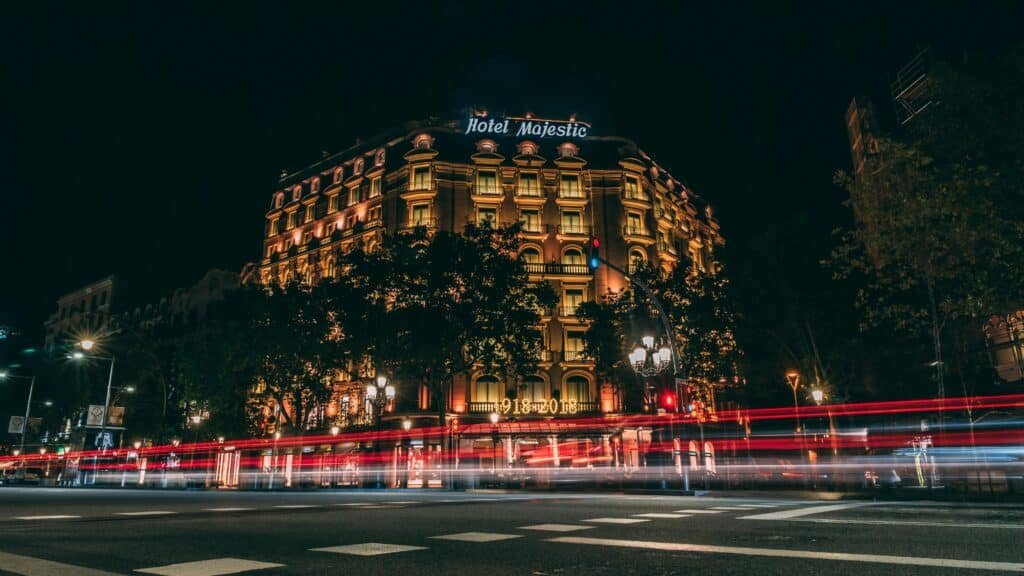
Illuminated Hotel Majestic in Barcelona captured at night with vibrant light trails.

Best Hotels in Barcelona: Top Details Analysis

Discover the best hotels in Barcelona for families, luxury, and budget travelers. Explore top picks with reviews, directions, amenities, and nearby attractions. Best Hotels in Barcelona: Top Picks for Your Next Accommodation Barcelona is one of Europe’s top destinations, offering a vibrant mix of culture, architecture, and sunny beaches. Finding the Best Hotels in Barcelona can make your trip even more memorable. Whether you’re planning a luxury getaway, a family vacation, or a budget-friendly adventure, Barcelona has accommodations to suit everyone. In this guide, we highlight top hotel options with their location, nearby attractions, hours, guest reviews, directions, and contact info – all presented in a smooth, easy-to-read format for travelers of any age. Let’s explore the best places to stay in Barcelona for families, luxury travelers, and budget-conscious tourists. Luxury Hotels in Barcelona: Top Picks for a Lavish Stay Barcelona boasts several world-class luxury hotels that pamper guests with high-end amenities and prime locations. These properties are among the best hotels in the city for those seeking comfort and indulgence. Many are centrally located in elegant neighborhoods like Eixample or along the scenic beachfront. Below are some top luxury hotels offering five-star service, fine dining, spas, and spectacular views. Hotel Arts Barcelona – Beachfront Glamour and Iconic Views Location: Port Olímpic area (waterfront). This 44-story tower stands along the Olympic Port, overlooking Barceloneta Beach. It’s within walking distance of Ciutadella Park and a short taxi ride to Las Ramblas. Nearby Attractions: Steps from the beach and waterfront promenades; 10-minute walk to the Barcelona Aquarium and Ciutadella Park. The historic Born quarter and Gothic Quarter are a quick cab or metro ride away.Hours & Guest Services: Open 24/7 with a 24-hour front desk (check-in from 3:00 PM, check-out by 12:00 PM). This Ritz-Carlton property offers a luxury spa, outdoor pool, and multiple restaurants. Guests consistently praise the attentive service and the stunning rooftop marina views in reviews​. Directions: About 17 km from Barcelona El Prat Airport (~20 minutes by taxi). From the city center (Plaça de Catalunya), it’s roughly 3 km – a 10-minute drive or 15 minutes by Metro (Ciutadella-Vila Olímpica station).Phone: +34 93 221 1000 Mandarin Oriental, Barcelona – Elegant Retreat on Passeig de Gràcia Location: Passeig de Gràcia, Eixample. This hotel sits on Barcelona’s premier shopping boulevard, surrounded by Gaudí’s famous buildings. Casa Batlló is next door, and Casa Milà (La Pedrera) is two blocks away. The Mandarin Oriental, Barcelona is often lauded as a “modern, luxurious retreat” in the heart of the city​. Nearby Attractions: Gaudí’s Casa Batlló literally across the street, high-end boutiques and restaurants along Passeig de Gràcia, and Plaça de Catalunya (the gateway to Las Ramblas) just a 5–10-minute walk. The Gothic Quarter is also reachable on foot.Hours & Guest Services: Open 24/7 with round-the-clock reception. Check-in starts around 3:00 PM and check-out by 12:00 PM. This 5-star hotel features a rooftop pool, Michelin-starred restaurant, and a spa. Guests give exceptional reviews for its stylish rooms and impeccable service – it’s consistently ranked among the city’s top accommodations​. Directions: Approximately 15 km from the airport (~25 minutes by taxi). The hotel is centrally located – about 1 km from the city’s center at Plaça Catalunya (a 10-minute walk or 1 metro stop).Phone: +34 93 151 8888 W Barcelona – Iconic Luxury on the Beach Location: Barceloneta Beach (La Rosa dels Vents). Famous for its sail-like glass facade, the W sits at the western tip of Barceloneta, directly on the beach. Its unique seaside location offers panoramic views of the Mediterranean and the city skyline. Part of Marriott’s W Hotels, it’s a landmark that frequently appears on lists of the best hotels in Barcelona’s waterfront​. Nearby Attractions: Miles of Barceloneta Beach at your doorstep. Enjoy the beachfront promenade for biking or strolling and find fresh seafood restaurants in the adjacent fishermen’s quarter. It’s about 2 km to the Gothic Quarter and Picasso Museum, easily reachable by taxi or bus. The Port Vell harbor area (with the Aquarium and Mall) is also nearby. Hours & Guest Services: Open 24/7. Front desk and concierge are available at all hours (standard check-in from 3:00 PM, check-out by 12:00 PM). The W offers a rooftop bar, infinity pool, trendy nightlife venues, and a spa. Guest reviews often highlight the resort-like atmosphere and vibrant social scene. Families note that while it’s a chic hotel, children are welcome at the pool and beach areas. Directions: Around 18 km from the airport (~25 minutes by taxi). It’s slightly removed from the central city – about a 10-minute drive to Plaça de Catalunya. Public transit: a bus or metro plus a short walk will reach the hotel (Barceloneta metro then bus V15).Phone: +34 93 295 2800 Best Hotels in Barcelona for Families Traveling with kids? Barcelona offers many family-friendly hotels that provide extra space, convenient locations, and amenities to keep both parents and children happy. The best hotels in Barcelona for families include apartment-style suites and hotels with pools or kid-friendly services. Many are in safe, central areas near parks or attractions. Here are our top picks for family accommodations: Casagrand Luxury Suites – Spacious Apartments for Big Families Location: Diagonal / Gràcia area, Eixample. Casagrand offers upscale serviced apartments on Avinguda Diagonal, about 5 minutes’ walk from Passeig de Gràcia. It’s located in one of Barcelona’s fashionable central neighborhoods; TripAdvisor describes Casagrand as “beautiful, exclusive apartments” in a prime area​. Nearby Attractions: Casa Milà (La Pedrera) is only 550 m away​. and the Gràcia neighborhood’s family-friendly plazas and eateries are just up the street. You can also walk 15 minutes to Sagrada Família or take a short taxi/metro ride. Supermarkets and the Diagonal shopping district are close by – convenient for families.Hours & Guest Services: Reception is available daily (limited hours, with 24-hour phone support). Check-in is typically from 3:00 PM. These are 4-star apartment suites with full kitchens, washers/dryers, and a rooftop plunge pool for guests. Families love the roomy multi-bedroom layouts and privacy – it’s frequently praised as

Best Hotels in Barcelona: Top Details Analysis Read More »

Touring Diary Adventure – Your ultimate guide to unforgettable travel experiences. Explore breathtaking destinations, insider tips, and travel inspiration to fuel your next adventure. Start your journey with us today!

Subscribe Now

Stay with us for getting more wonderful travel tips and news from my blog.

Copyright © 2025 Touring Diary Adventure