
Tokyo Itinerary 5 Days: First-Timer Plan With Real Costs (2026)
By the Touring Diary Adventure team · Updated November 2026 · Prices checked on official sites in November 2026
The best Tokyo itinerary for 5 days groups the city by neighborhood so you’re not zigzagging across it: Day 1 Asakusa, Ueno and Skytree; Day 2 Tsukiji, Ginza and teamLab; Day 3 Meiji Jingu, Harajuku and Shibuya; Day 4 Shinjuku; Day 5 Akihabara or a Kamakura day trip. Expect to spend about ¥18,600 (roughly $115) per person on airport trains, a 72-hour subway pass and the main paid sights.
That’s the plan in one breath. Below you’ll find each day hour by hour, the exact ticket prices we checked this month, how to get in from Narita or Haneda, Google ratings for every big stop, and a few honest “skip it if…” notes. We built it for first-timers who want the famous sights without spending half the trip on trains.
🗼 Quick Answer: 5 Days in Tokyo at a Glance
- Day 1: Senso-ji, Nakamise Street, Tokyo Skytree, Ueno Park
- Day 2: Tsukiji Outer Market breakfast, Ginza, teamLab Planets
- Day 3: Meiji Jingu, Harajuku, Shibuya Crossing, Shibuya Sky at sunset
- Day 4: Free city view from the Metropolitan Government Building, Shinjuku Gyoen, Omoide Yokocho, Golden Gai
- Day 5: Akihabara and Yanaka, or a day trip to Kamakura
- Book ahead: teamLab Planets and Shibuya Sky sunset slots sell out first.
In this guide
How Do You Get From the Airport to Central Tokyo?
From Narita, take the Keisei Skyliner (¥2,470 to Ueno or Nippori) or JR’s Narita Express (¥3,140 to Tokyo Station). From Haneda, which is only about 14 km from the center, the Keikyu Line to Shinagawa costs about ¥330 and the Tokyo Monorail to Hamamatsucho about ¥500. Haneda is faster and cheaper if you have the choice.
🚆 Getting there and costs (checked November 2026)
| Route | Option | Time | One-way cost |
|---|---|---|---|
| Narita → Ueno / Nippori | Keisei Skyliner | From about 36 min to Nippori | ¥2,470 (¥2,465 with IC card) |
| Narita → Tokyo Station | JR Narita Express (N’EX) | About 60 min | ¥3,140 (Green Car ¥3,910) |
| Narita → Shinjuku / Shibuya / Shinagawa | JR Narita Express | Longer than Tokyo Station | ¥3,330 |
| Narita ↔ Tokyo round trip | N’EX TOKYO Round Trip Ticket | Valid 14 days | ¥5,200 return |
| Haneda T3 → Shinagawa | Keikyu Line | About 11 min (fastest train) | About ¥330 (¥327 by IC card) |
| Haneda → Hamamatsucho | Tokyo Monorail | About 18 min (express) | About ¥500 |
| Haneda → Shibuya | Airport Limousine Bus | Depends on traffic | ¥1,300 |
| Haneda → central Tokyo | Taxi | About 20 to 45 min | Roughly ¥5,000 to ¥8,000 |
Sources: Keisei Skyliner fares, JR East N’EX tickets, Keikyu airport bus, plus 2026 transfer guides from Trip.com (Keikyu) and MileAsia (Monorail, taxi). Taxi fares are estimates; fares change, so check before you travel.
Here’s how that plays out. Land at Narita at 3 p.m. with a hotel in Asakusa or Ueno? The Skyliner drops you at Ueno, and you’re checked in before dark. Staying in Shinjuku or Shibuya instead? The N’EX round trip ticket (¥5,200) usually beats two singles. Land at Haneda at 11 p.m.? Trains thin out late, so a taxi split between two or three people can make sense.
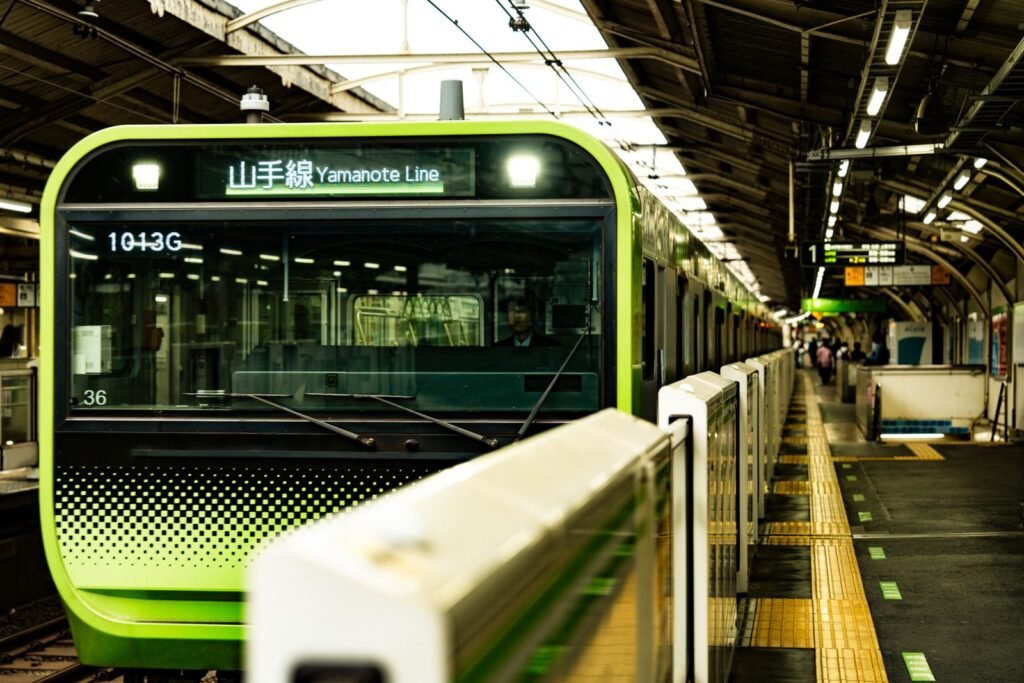
Once you’re in the city, get an IC card like Suica on your phone and buy the Tokyo Subway Ticket: ¥1,000 for 24 hours, ¥1,500 for 48 or ¥2,000 for 72, valid on all Tokyo Metro and Toei subway lines. It’s sold to overseas visitors and to Japanese residents from outside the Tokyo area. One catch: it doesn’t cover JR lines like the Yamanote, so keep your IC card topped up for those.
Day 1: Asakusa, Tokyo Skytree and Ueno
Start in old Tokyo. Asakusa is the best first day because it’s easy, walkable, mostly free and gives you that “I’m really in Japan” moment within ten minutes. Skytree is a short walk away, and Ueno sits one subway stop from Asakusa on the Ginza Line.
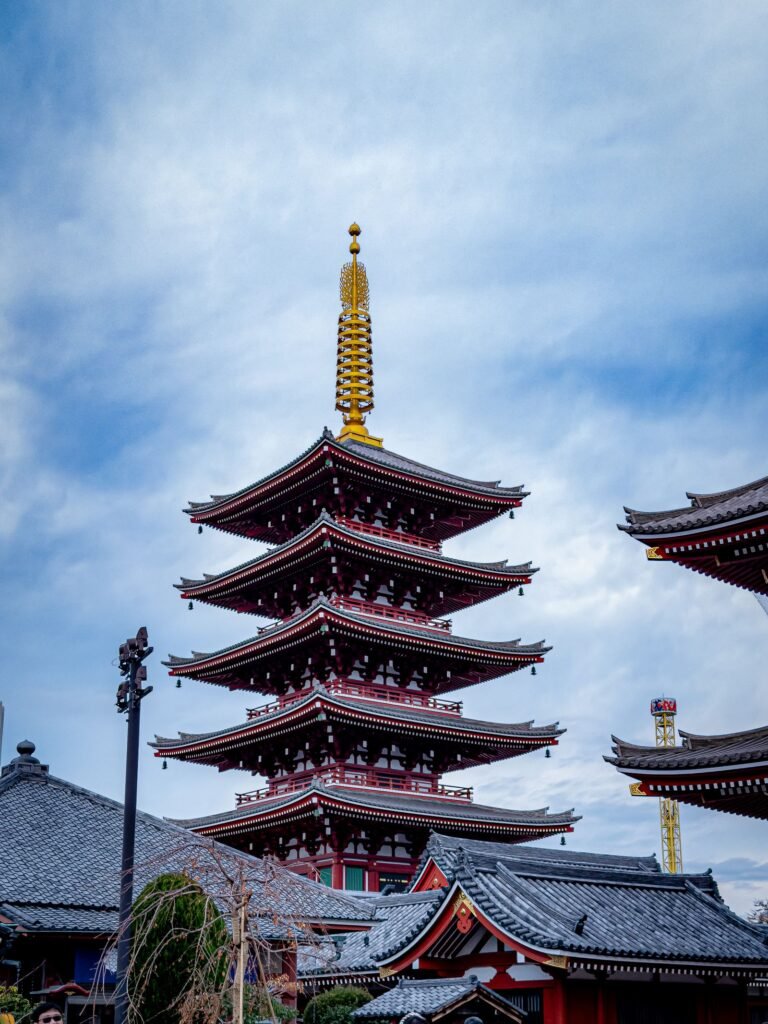
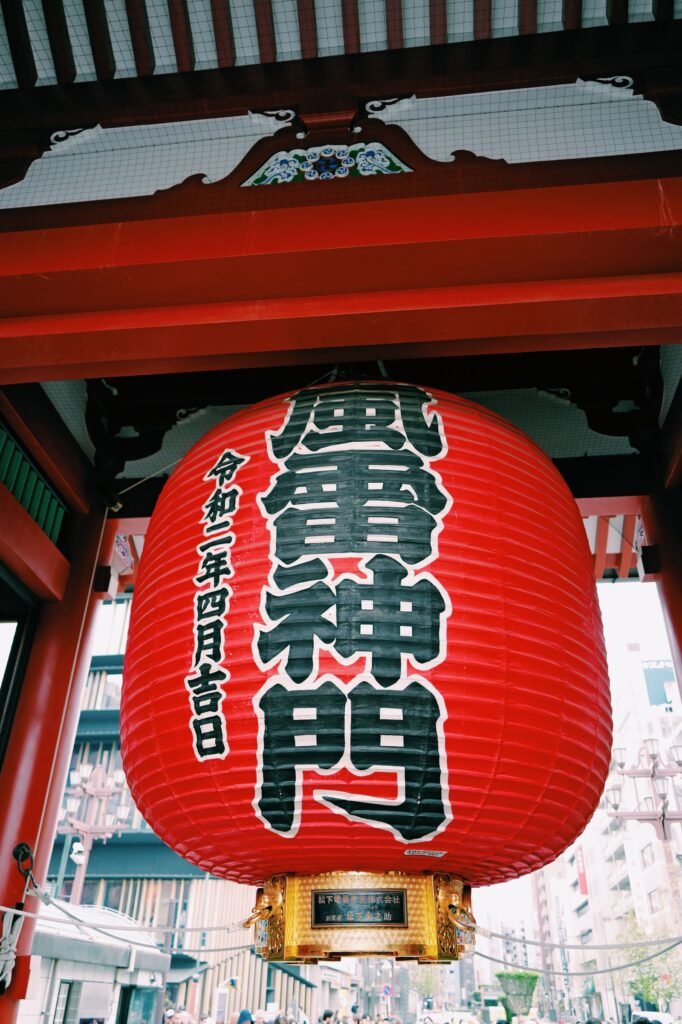
- 8:00 a.m. Senso-ji Temple. Tokyo’s oldest temple is free and open all day. Arrive early, before the tour groups, and walk in through the giant red lantern at Kaminarimon Gate.
- 9:30 a.m. Nakamise Street. Snack your way back down the shopping street once the stalls open. Try ningyo-yaki (little sponge cakes) and melon pan.
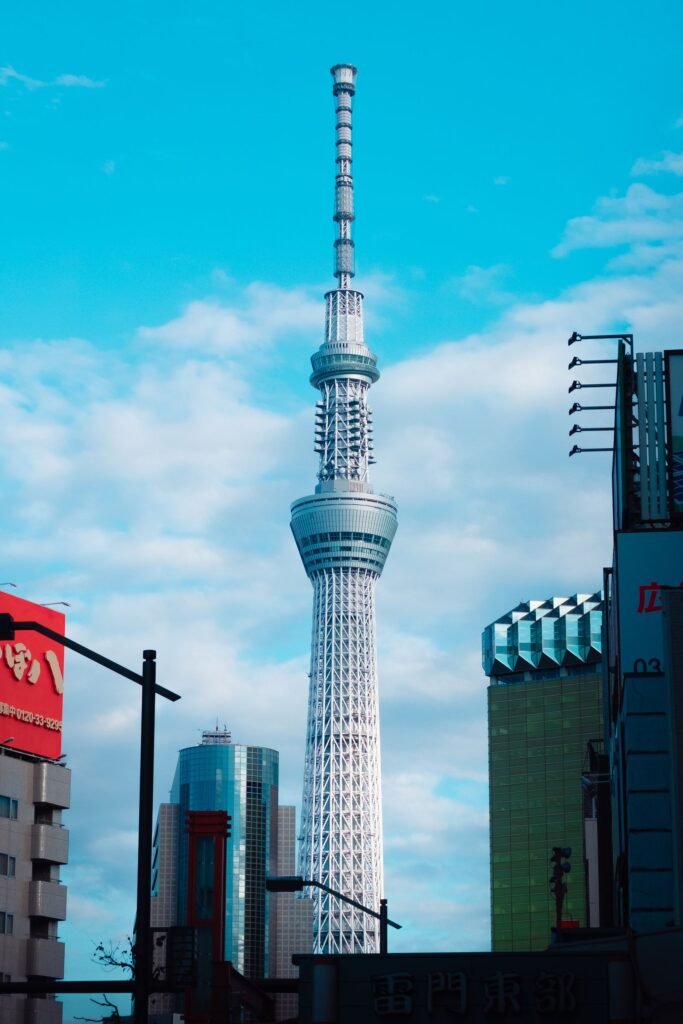
- 11:00 a.m. Tokyo Skytree. About a 20-minute walk across the river. The Tembo Deck costs ¥2,100 on weekdays if booked ahead (¥2,600 same-day on weekends). A set ticket with the higher Tembo Galleria runs ¥3,100 to ¥3,800.
- 2:30 p.m. Ueno Park. Wander the ponds, shrines and museums. The park itself is free.
- 6:00 p.m. Ameyoko market. The street under the train tracks near Ueno Station is great for cheap skewers and a beer.
Is Skytree worth it if you’re also doing Shibuya Sky? Honestly, pick one if you’re on a budget. Skytree is higher and better for a daytime look at how huge Tokyo is. Shibuya Sky’s open-air rooftop is better at sunset. If you only want a free view, save it for Day 4.
Day 2: Tsukiji Outer Market, Ginza and teamLab Planets
Day 2 is for food and art. You’ll eat breakfast at a market, walk Tokyo’s most polished shopping street, then spend the evening inside one of the city’s most popular art experiences.
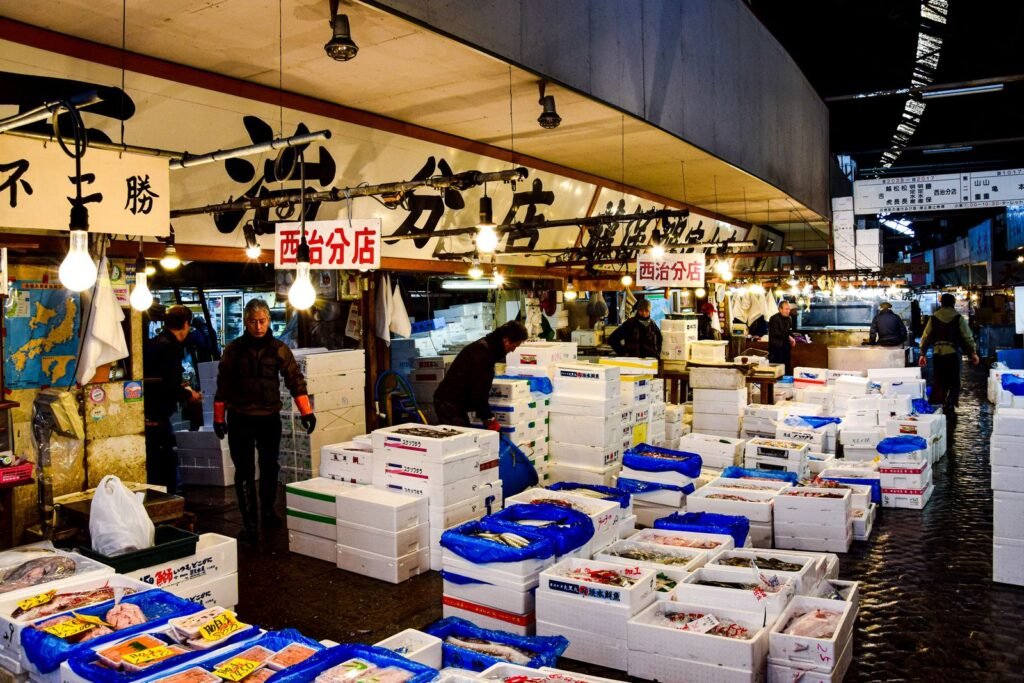
- 8:00 a.m. Tsukiji Outer Market. The wholesale fish auctions moved to Toyosu years ago, but the outer market’s stalls and sushi counters are still here. Go early and buy small portions so you can try more. Some shops close on Sundays and Wednesdays, so check before you go.
- 11:00 a.m. Ginza. A 10-minute walk away. Window-shop the department stores and head to a basement food hall (depachika) for dessert.
- 2:00 p.m. Hama-rikyu Gardens or a hotel break. You’ll be on your feet tonight, so rest now.
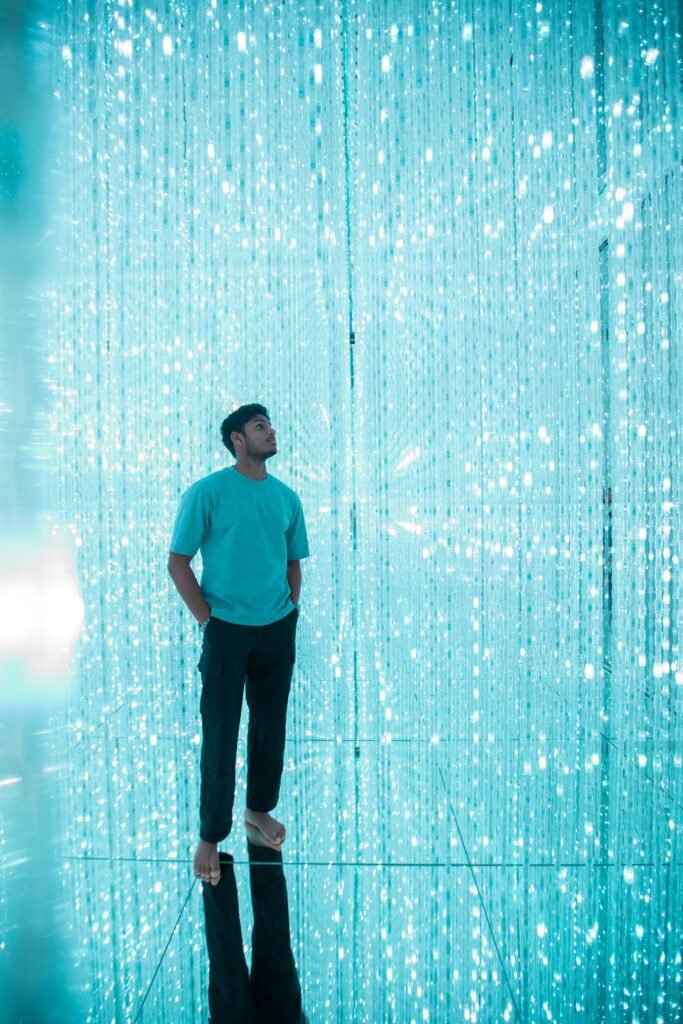
- 5:00 p.m. teamLab Planets. Three minutes from Shin-Toyosu Station. Adult tickets start at ¥3,800 with dynamic pricing, and you’ll walk barefoot through water. Hours are 8 a.m. to 10 p.m., and it’s closed on December 3 and January 14, 2026–27, so plan around those.
Our tip from the teamLab reviews: book the earliest or the latest slot you can. One family who went at 8:30 a.m. finished before the school groups arrived around 9:30. Wear shorts or pants that roll up past the knee, because the water areas get deep. If you can’t read the menus at Tsukiji, a good translation app helps a lot. These are the best apps for translating menus while traveling.
Day 3: Meiji Jingu, Harajuku, Shibuya and Shibuya Sky
This is the day most people picture when they think of Tokyo: a calm forest shrine in the morning, wild street fashion at lunch and the world’s busiest crossing at sunset. Everything is walkable along one line.
- 9:00 a.m. Meiji Jingu. Free to enter. The gravel path through the forest to the shrine takes about 10 to 15 minutes and feels miles away from the city. Google lists the grounds as open roughly from sunrise to late afternoon, so don’t leave it for evening.
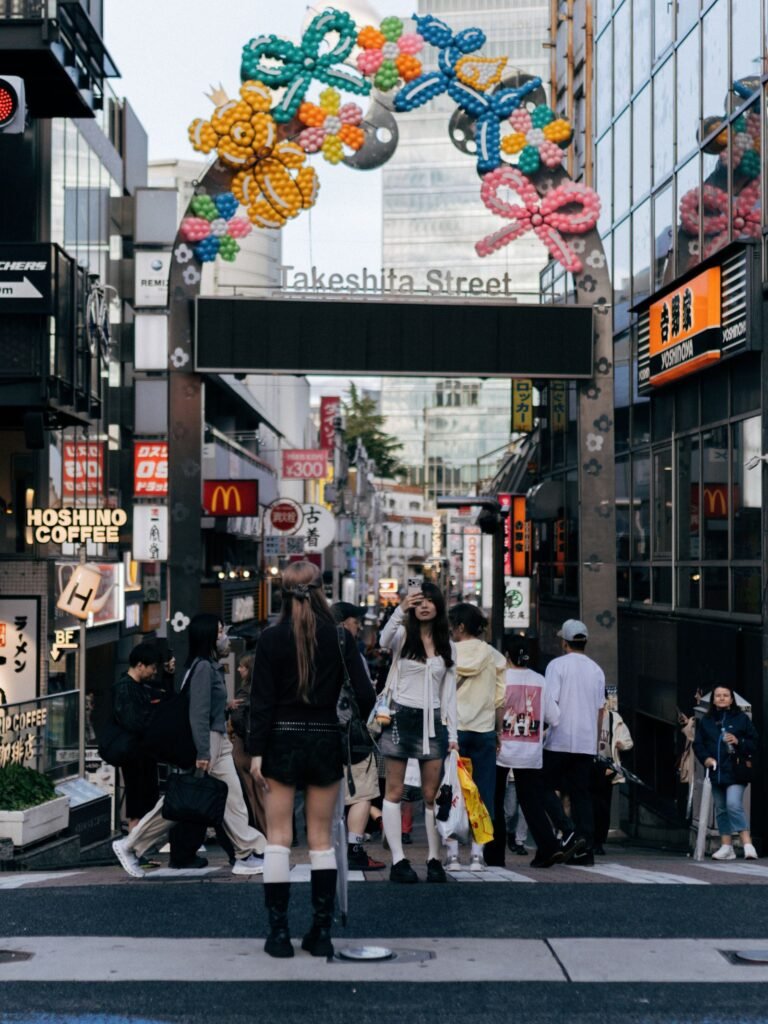
- 11:00 a.m. Harajuku and Takeshita Street. Crepes, vintage shops and some of the most creative outfits you’ll see anywhere.
- 1:00 p.m. Omotesando. Lunch on the leafy avenue next door, with its striking architecture.
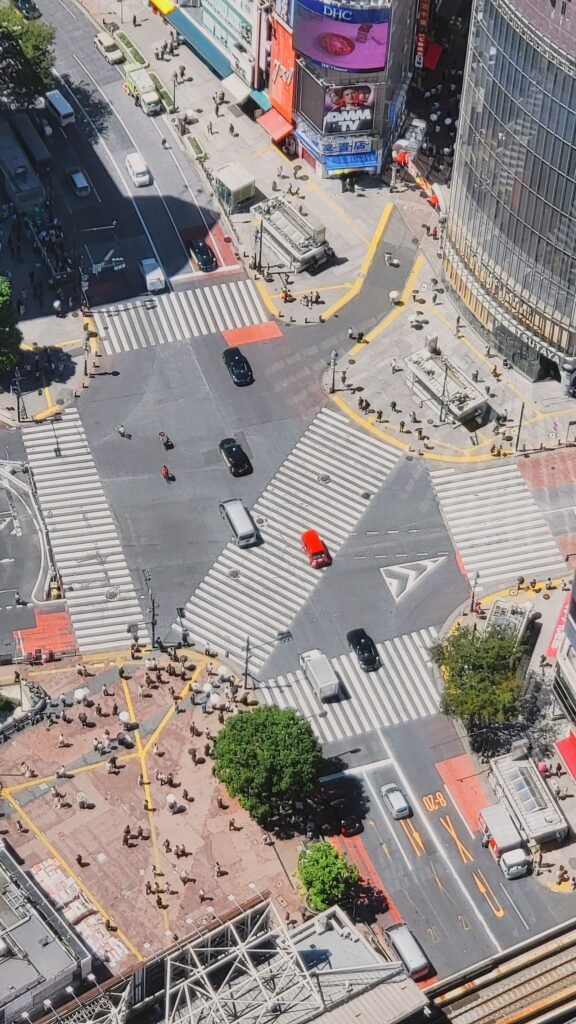
- 3:00 p.m. Shibuya Crossing. Cross it yourself, then watch it from above. It’s free.
- Sunset: Shibuya Sky. Tickets are ¥2,700 online for entry before 3 p.m. and ¥3,400 online after (¥3,000 and ¥3,700 at the counter). Open 10 a.m. to 10:30 p.m. Sunset slots sell out, so book as soon as your dates are firm.
Here’s the catch with Shibuya Sky: the rooftop closes in rain or strong wind, and hats aren’t allowed up top. If the forecast looks bad, move this to another evening. Your ticket time matters more than the date.
Day 4: Shinjuku Day and Night
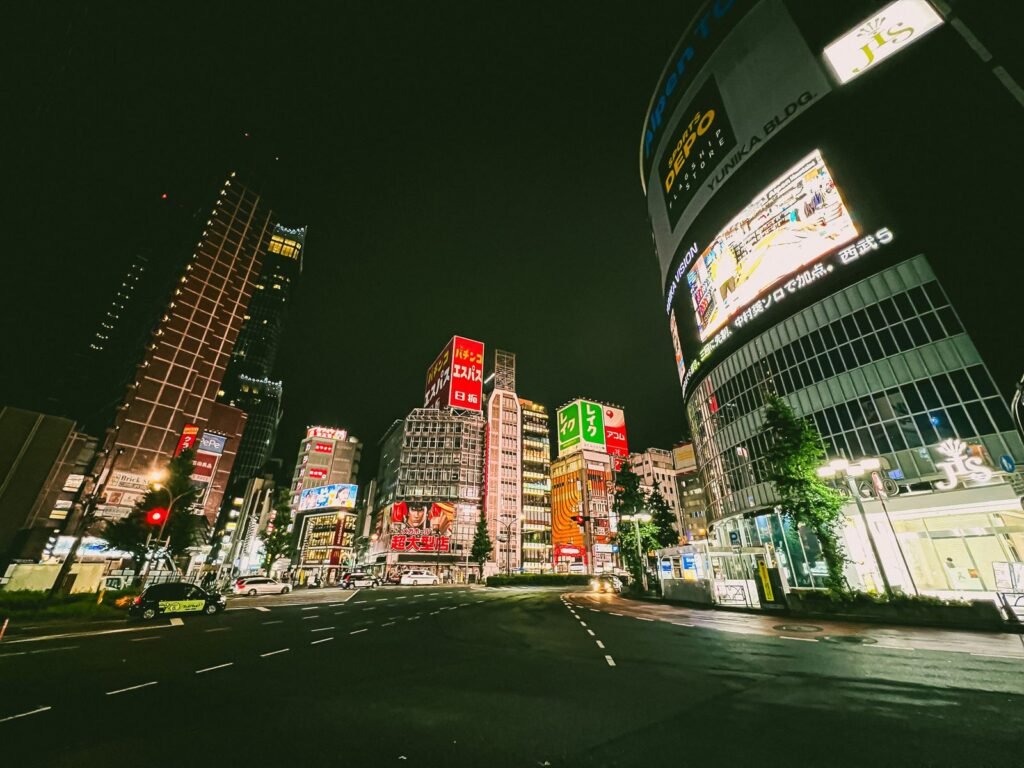
Shinjuku is Tokyo turned up to full volume, but it also hides one of the city’s best gardens and its best free view. Spend the day here and stay for the evening alleys.
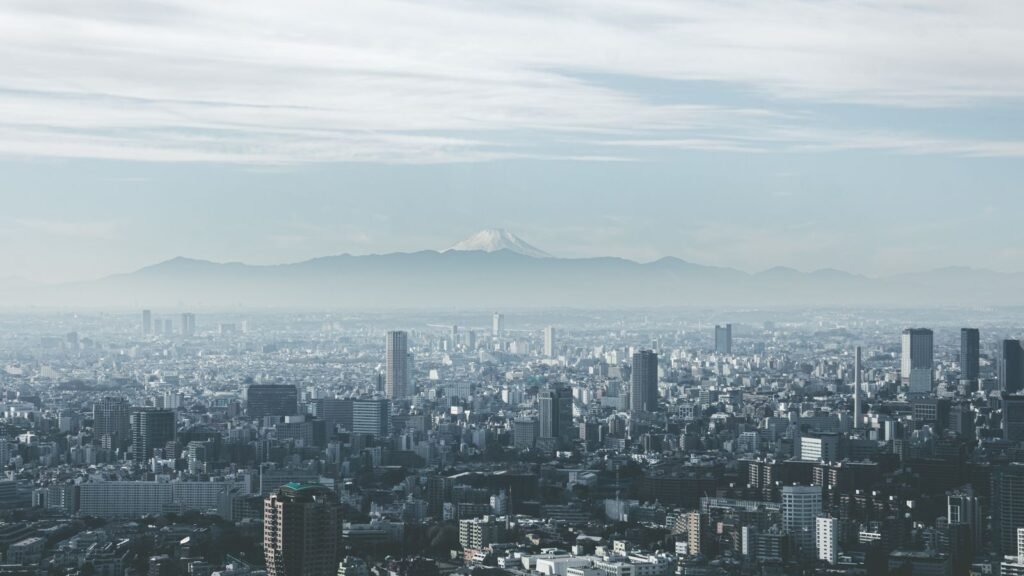
- 9:30 a.m. Tokyo Metropolitan Government Building. The 45th-floor observation deck is free. On a clear winter morning you may see Mount Fuji. Google lists it as closed Mondays, so check hours.
- 11:00 a.m. Shinjuku Gyoen National Garden. ¥500 entry, payable by IC card. Open 9 a.m. to 4:30 p.m. and closed Mondays. The mix of Japanese, English and French gardens is gorgeous in late November and early December, when the leaves turn.
- 2:00 p.m. Department stores and a rest. Isetan’s food hall is worth a lap.
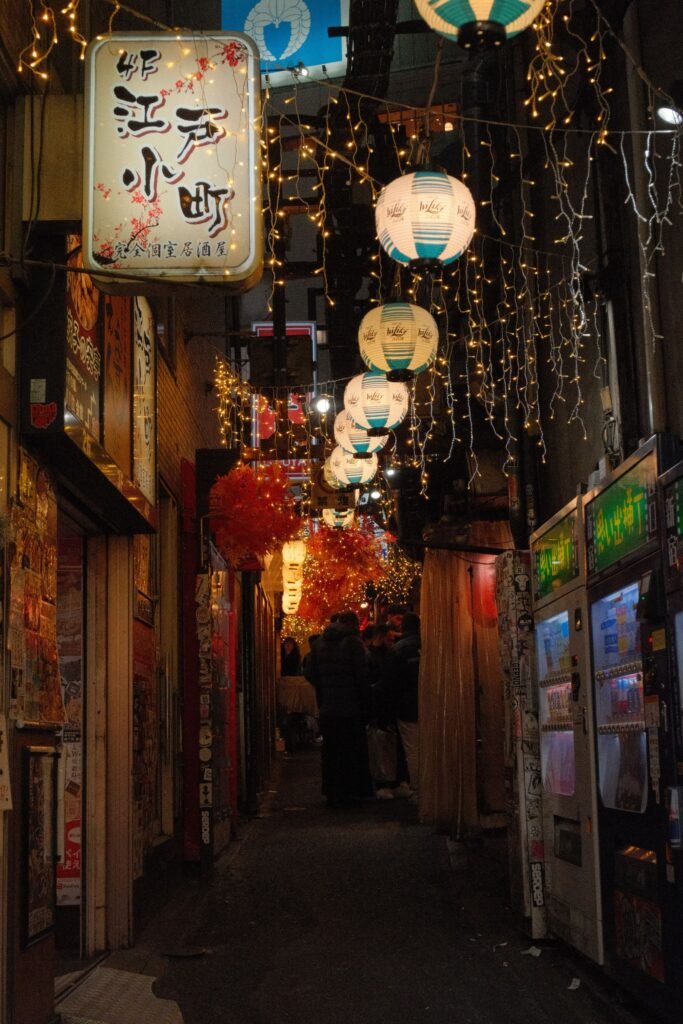
- 5:00 p.m. Omoide Yokocho. Tiny smoky yakitori stalls right by Shinjuku Station. Most seat fewer than ten people.
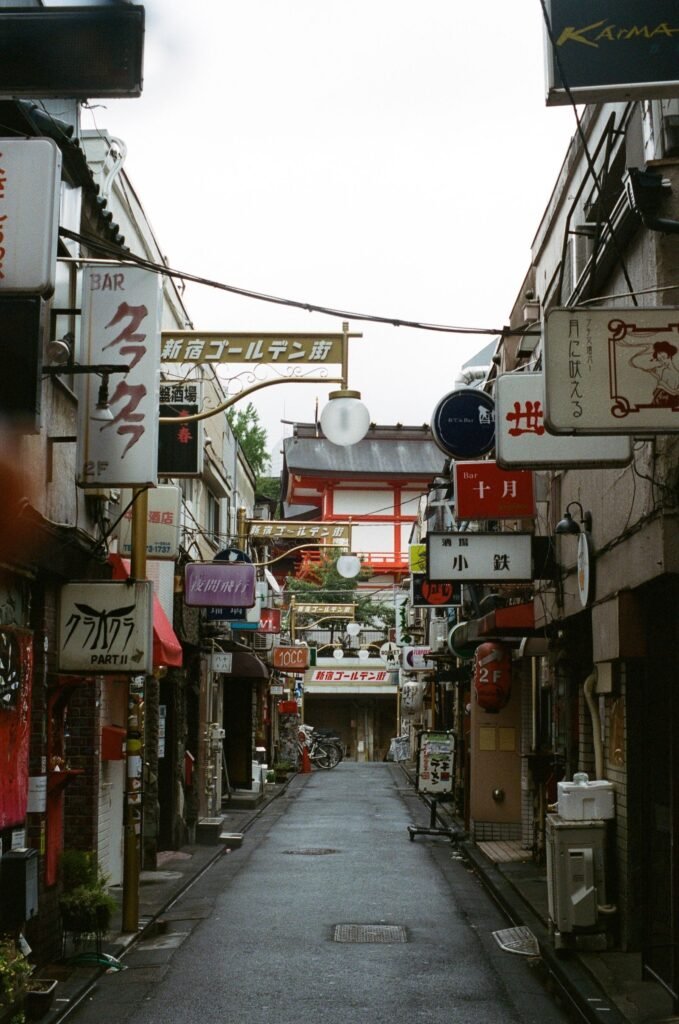
- 8:00 p.m. Golden Gai. Six narrow alleys of tiny bars. Many charge a cover fee, which is usually posted at the door.
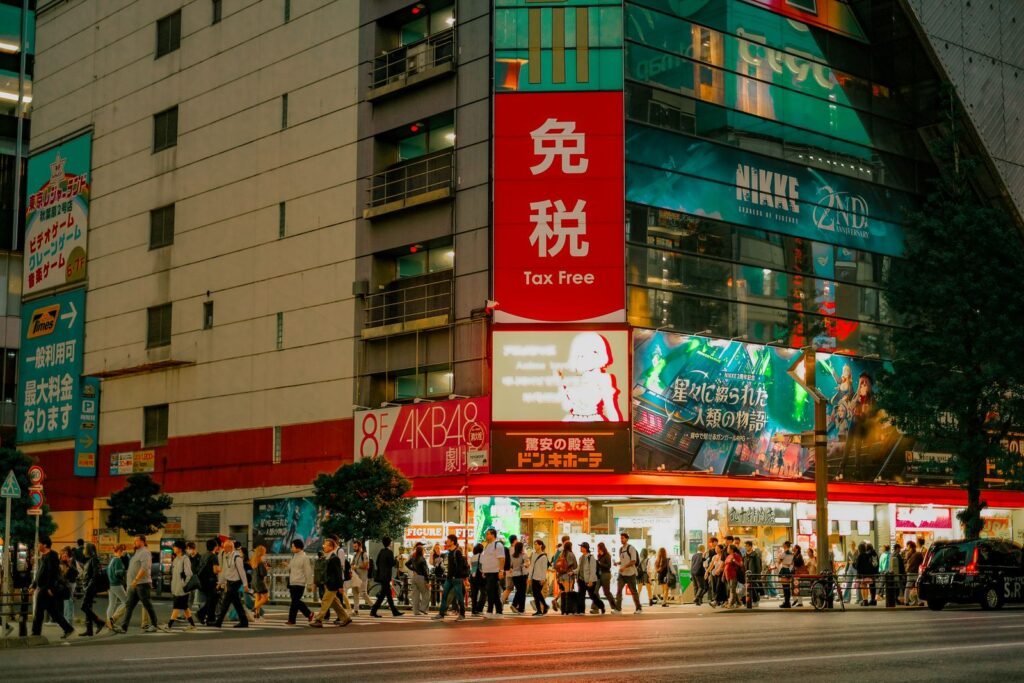
Day 5: Akihabara and Yanaka, or a Kamakura Day Trip
Pick based on what you’ve enjoyed most. Loved the neon? Stay in the city. Loved the temples and want a slower day? Head to the coast.
Option A: Akihabara and Yanaka (stay in Tokyo)
Spend the morning in Akihabara’s anime shops, arcades and retro game stores. In the afternoon, take a short train ride to Yanaka, one of the few old neighborhoods that survived the war and the 1923 earthquake. Its quiet lanes, small temples and Yanaka Ginza shopping street are a lovely, low-key way to end the trip.
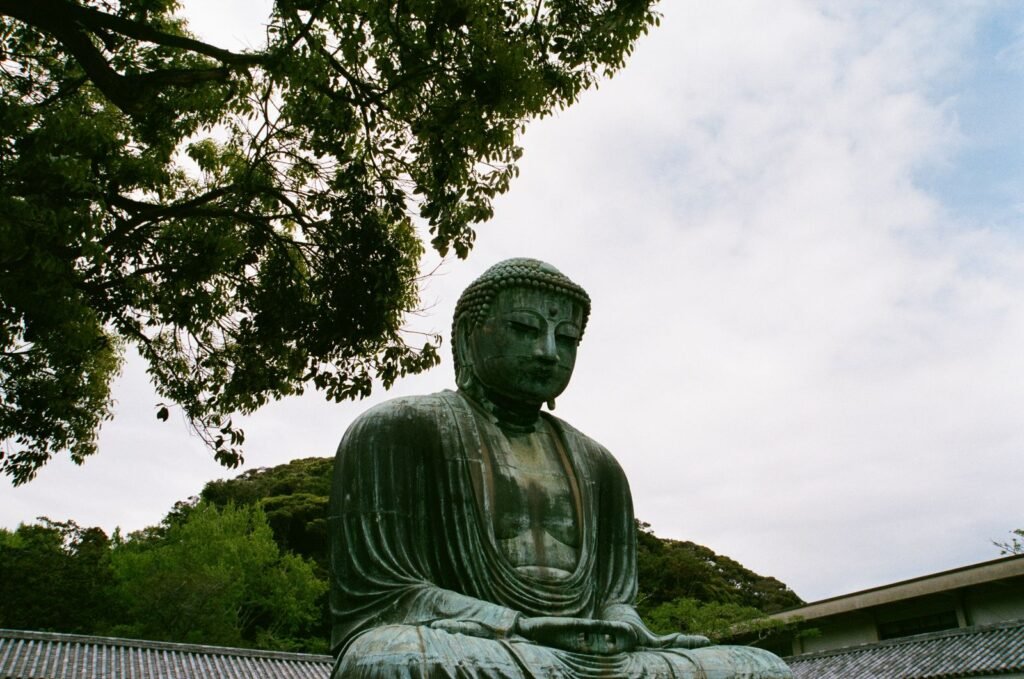
Option B: Kamakura day trip
Kamakura is about 54 minutes from Tokyo Station on JR for roughly ¥940 each way. See the Great Buddha, walk the temple trails and eat on Komachi-dori street. Leave by 8:30 a.m. to beat the crowds, and be back in Tokyo for dinner.
How Much Do 5 Days in Tokyo Cost? Fixed-Cost Breakdown
The fixed costs in this plan come to about ¥18,620 per person, roughly $116 at mid-November 2026 exchange rates. That covers airport trains, a 72-hour subway pass and every paid stop. Hotels and food are on top and vary the most, so we’ve left them out rather than guess.
| Item | Price (yen) | About (USD) | Notes |
|---|---|---|---|
| 🚆 Skyliner Narita → Ueno and back | ¥4,940 | $31 | ¥2,470 each way |
| 🚇 Tokyo Subway Ticket, 72 hours | ¥2,000 | $13 | Metro and Toei lines only |
| 🗼 Tokyo Skytree Tembo Deck | ¥2,100 | $13 | Weekday, booked ahead |
| 🎨 teamLab Planets | ¥3,800 | $24 | From price; dynamic pricing |
| 🌇 Shibuya Sky (after 3 p.m., online) | ¥3,400 | $21 | ¥2,700 before 3 p.m. |
| 🍁 Shinjuku Gyoen | ¥500 | $3 | IC cards accepted |
| 🚃 JR to Kamakura and back | ¥1,880 | $12 | About ¥940 each way |
| Total | ¥18,620 | about $116 | Plus food, hotel, IC card rides |
USD at about ¥160 per dollar, the level reported on November 12, 2026 by the New Straits Times. Free stops: Senso-ji, Nakamise, Ueno Park, Tsukiji browsing, Meiji Jingu, Shibuya Crossing and the Metropolitan Government Building observatory.
Want to trim it? Skip Skytree and use the free Shinjuku observatory instead (saves ¥2,100), go to Shibuya Sky before 3 p.m. (saves ¥700), and fly into Haneda (saves about ¥4,000 on airport trains). That brings the fixed costs closer to ¥12,000. If Tokyo feels pricey, our list of the cheapest countries to visit from the USA has some budget alternatives in Asia.
Are These Tokyo Sights Worth It? Google Ratings
Every main stop in this itinerary scores 4.2 or higher on Google, and most sit at 4.5 or above from tens of thousands of reviews. Meiji Jingu tops the list at 4.7. Tsukiji Outer Market scores lowest at 4.2, mostly because of crowds and prices, not the food.
| Place | Google rating | Reviews | Entry |
|---|---|---|---|
| Meiji Jingu | ⭐ 4.7 | 55,125 | Free |
| Senso-ji | ⭐ 4.6 | 102,210 | Free |
| Shibuya Sky | ⭐ 4.6 | 28,360 | From ¥2,700 |
| Shinjuku Gyoen National Garden | ⭐ 4.6 | 46,646 | ¥500 |
| teamLab Planets TOKYO | ⭐ 4.5 | 59,060 | From ¥3,800 |
| Shibuya Scramble Crossing | ⭐ 4.5 | 25,410 | Free |
| Metropolitan Government Building (North Deck) | ⭐ 4.5 | 9,735 | Free |
| Tokyo Skytree | ⭐ 4.4 | 122,199 | From ¥2,100 |
| Ueno Park | ⭐ 4.4 | 35,308 | Free |
| Tsukiji Outer Market | ⭐ 4.2 | 56,441 | Free to browse |
Google ratings and review counts as of November 2026.
Where to Stay, What to Pack and Mistakes to Avoid
For a first trip, stay near a station on the Yamanote Line. Shinjuku and Shibuya are best for nightlife and the N’EX from Narita. Ueno and Asakusa are better value and are where the Skyliner arrives. Tokyo Station and Ginza are the most central and work well with Haneda.
Pack light. Hotel rooms are small, and you’ll carry bags through busy stations. Comfortable shoes matter more than anything, since a normal Tokyo day can easily mean 20,000 steps. Our tiny travel gear packing list covers the small stuff that saves space.
First-timer mistakes to avoid
- Zigzagging across the city. Group sights by area, as this plan does. Tokyo is huge.
- Not booking timed tickets. teamLab and Shibuya Sky sunset slots sell out.
- Assuming the subway pass covers everything. JR lines need your IC card.
- Forgetting Monday closures at Shinjuku Gyoen and some observatories and museums.
- Tipping. It isn’t expected in Japan and can confuse staff. It’s the opposite of the rules in our US tipping guide.
- Eating while walking in busy streets. Many locals avoid it; stand near the stall instead.
- Carrying only cards. Most places take cards and IC payment now, but small shrines, food stalls and some bars still prefer cash.
For the latest on opening hours and events, the Tokyo government’s official visitor site, GO TOKYO, is the most reliable place to check before you go.
Frequently Asked Questions
Is 5 days in Tokyo enough for a first trip?
Yes. Five days covers the main neighborhoods, Asakusa, Shibuya, Shinjuku, Harajuku, Ginza and Ueno, plus one day trip or a slower final day. You won’t see everything, but grouping sights by area means you’ll see the highlights without rushing.
How much money do I need for 5 days in Tokyo?
The fixed costs in this plan are about ¥18,620 (roughly $116) per person for airport trains, a 72-hour subway pass and paid attractions. Add your hotel and food on top. Free sights like Senso-ji and Meiji Jingu help keep it down.
Is it better to fly into Narita or Haneda?
Haneda is usually better. It’s about 14 km from central Tokyo, and the Keikyu train to Shinagawa costs about ¥330. From Narita, the Skyliner costs ¥2,470 to Ueno and the Narita Express ¥3,140 to Tokyo Station.
Should I buy a JR Pass for 5 days in Tokyo?
Usually not, if you’re staying in Tokyo. A 72-hour Tokyo Subway Ticket (¥2,000) plus an IC card for JR rides covers most travel. A nationwide JR Pass only pays off if you add long trips, such as a bullet train to Kyoto.
What should I book in advance in Tokyo?
Book teamLab Planets and Shibuya Sky as soon as your dates are firm, especially sunset slots at Shibuya Sky. Skytree tickets are cheaper when booked ahead. Most temples, shrines and markets need no booking.
What is the best area to stay in Tokyo for 5 days?
Shinjuku or Shibuya suit nightlife lovers and Narita Express arrivals. Ueno or Asakusa are better value and match the Skyliner. Tokyo Station and Ginza are central and convenient for Haneda.
The Bottom Line
This 5-day Tokyo itinerary works because it keeps each day in one part of the city: old Tokyo first, then food and art, then the Shibuya and Harajuku buzz, then Shinjuku, and a flexible last day. Book teamLab and your Shibuya Sky sunset slot now, grab a 72-hour subway ticket when you land, and leave room for the unplanned stops. In Tokyo, those are often the best part.
Keep learning: more trip-planning guides from Touring Diary Adventure
- When to actually book flights: what the 2026 data says
- Best time to visit Thailand: month-by-month guide
- 7 best apps for translating menus while traveling
Sources: Keisei Electric Railway; JR East (N’EX); Keikyu Bus; Tokyo Metro (Tokyo Subway Ticket); GO TOKYO (Shibuya Sky); teamLab; Tokyo Cheapo (Skytree prices); Trip.com and MileAsia Haneda transfer guides (2026); Google Maps ratings (November 2026); New Straits Times (yen rate, Nov 12, 2026). Prices change; check official sites before you go.
Planning your first Tokyo trip? Tell us your dates in the comments and which day you’re most excited about.